Prevention and norms
Engage communities and young people on power, equality, healthy relationships and the norms that make harm seem acceptable.
Safety is built before crisis. CDSJ connects prevention, survivor-centred response and stronger protection systems so children, women and communities can live with dignity and without fear.
Violence, abuse, exploitation and neglect are rarely isolated events. They are shaped by unequal power, harmful norms, household stress, institutional gaps, digital environments and the quality of the response a person receives when they seek help.
CDSJ works upstream and downstream: changing the conditions that enable harm, strengthening caregivers and communities, improving referrals and supporting institutions to respond in ways that protect dignity rather than cause further harm.
Engage communities and young people on power, equality, healthy relationships and the norms that make harm seem acceptable.
Strengthen safe, confidential and survivor-centred pathways across community and institutional actors.
Build the skills, protocols, accountability and relationships that make protection a functioning public responsibility.
Our ambition is a protective ecosystem in which families, schools, communities, services and justice institutions understand their roles, coordinate effectively and place the dignity and agency of children and survivors at the centre.
Begin with lived experience, local knowledge, risks and strengths.
Co-design practical responses with communities and capable partners.
Improve the people, pathways and institutions that must endure.
Use evidence and reflection to improve practice and shape fairer systems.
The pillar combines community-level change with practical institutional strengthening. Every intervention is grounded in safeguarding, confidentiality, informed participation and a commitment to do no further harm.
Support dialogue, youth engagement and locally relevant prevention that challenges harmful beliefs, strengthens positive norms and makes violence a shared public concern.
Improve the clarity, coordination and reliability of pathways connecting children and families with protection, health, psychosocial, education, policing and justice support.
Strengthen practice that respects safety, confidentiality, choice and dignity, while reducing repeated disclosure, blame and institutional actions that can cause secondary harm.
Work with caregivers, educators, community leaders and young people to identify risk early and create spaces where children can learn, participate and seek help safely.
Address the gendered norms, practices and transitions that heighten risk for adolescent girls, including exclusion from education, coercion and barriers to confidential support.
Recognise the pressures facing families and strengthen practical knowledge, peer support, early identification and community responsibility for children’s wellbeing.
Protection work must be shaped around the rights, evolving capacities and different experiences of children and survivors. CDSJ prioritises participation that is safe, age-appropriate and never extractive.
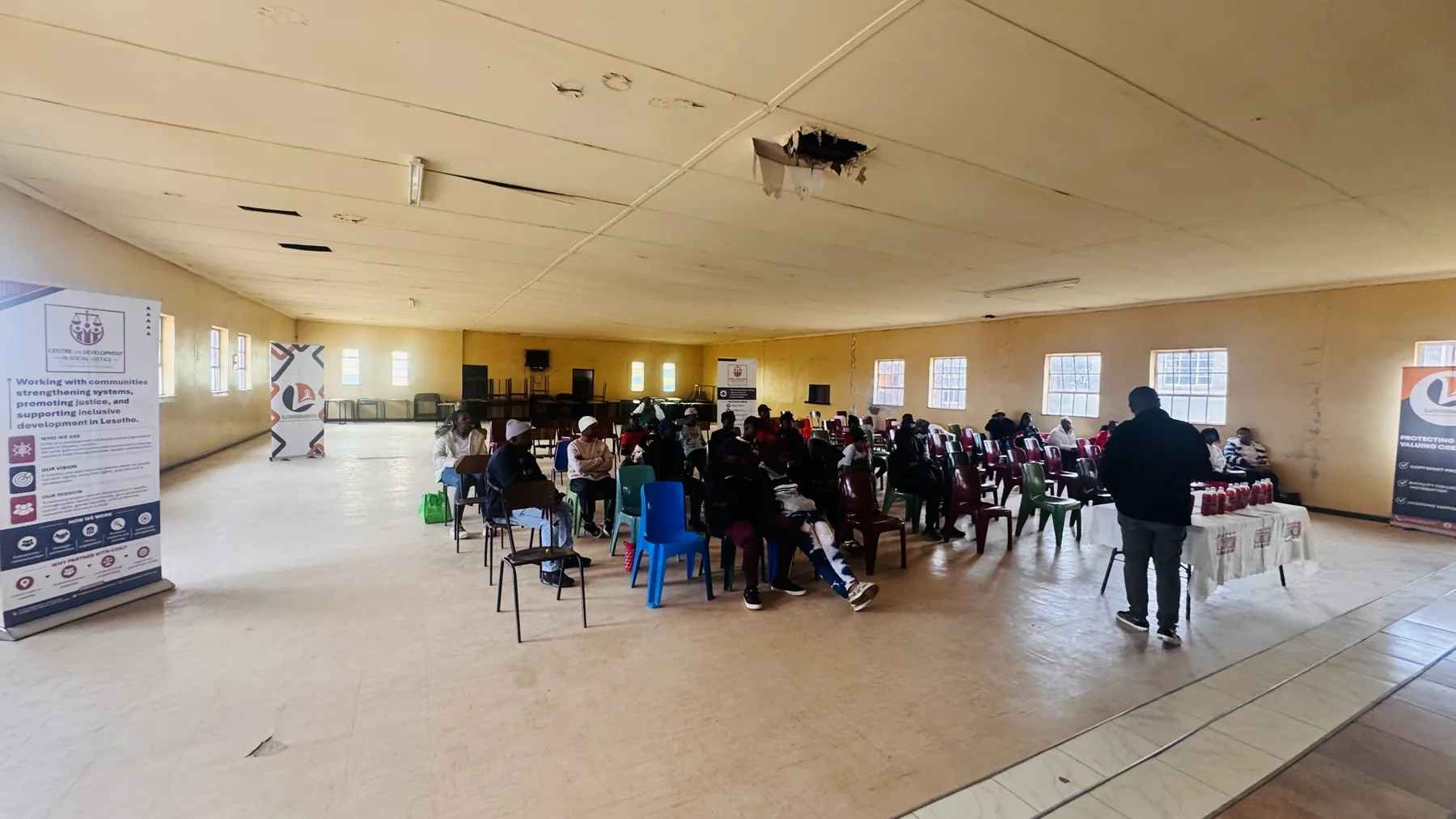
An interactive intervention connecting gender equality, healthy relationships, youth leadership and practical prevention.
Explore this work →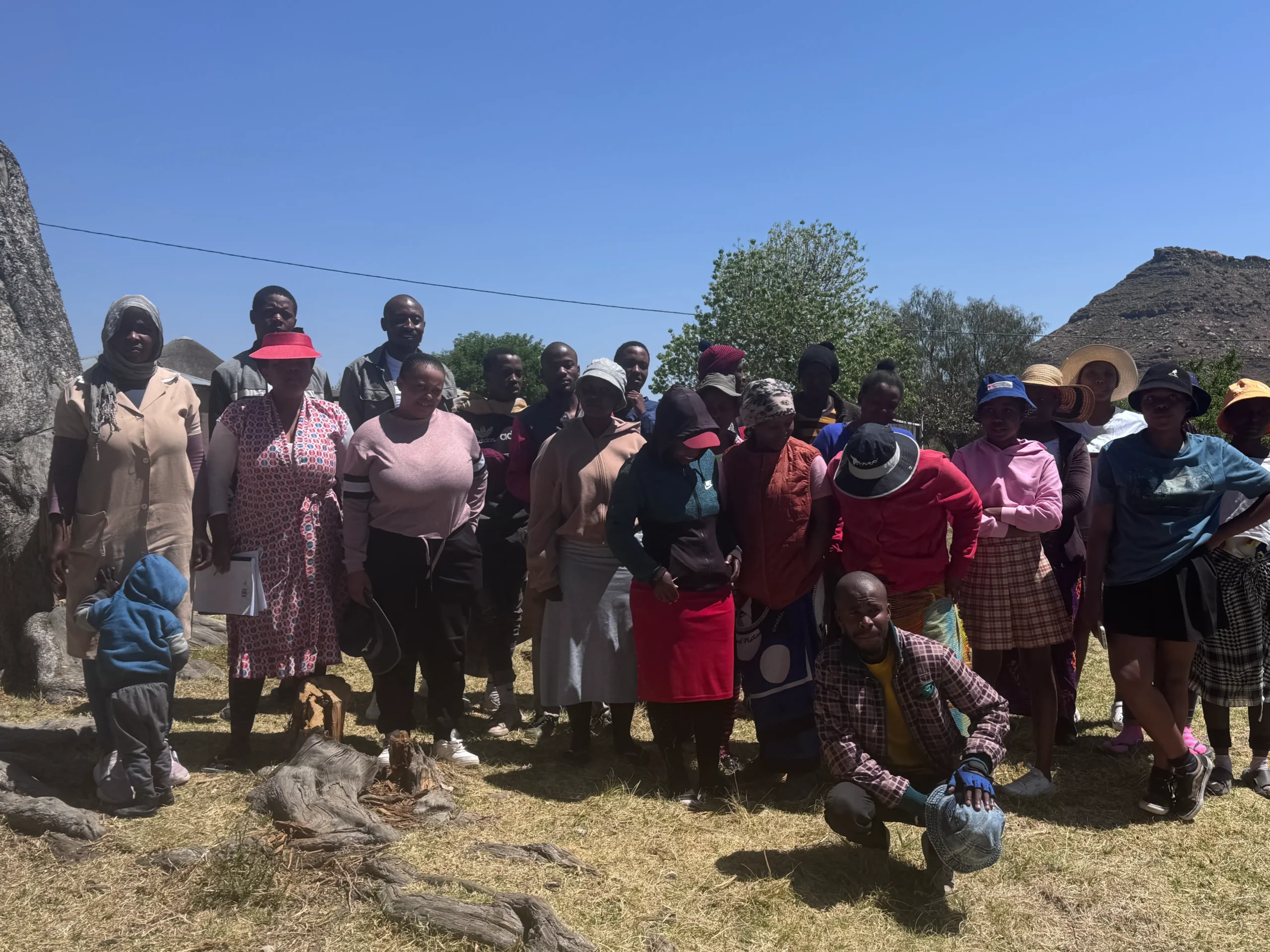
A whole-family approach linking child protection with livelihoods, legal support, education and psychosocial wellbeing.
Explore this work →We seek protection systems that people can recognise and trust, community environments that intervene before harm escalates, and institutions equipped to respond with care, competence and accountability.
Explore evidence & resources →CDSJ welcomes partners committed to prevention-led, rights-based and survivor-centred work that strengthens the full protective environment—from community norms to institutional response.
Design locally resonant prevention that builds agency, equality, healthy relationships and community action.
Strengthen coordinated, confidential and child- and survivor-sensitive pathways across services.
Develop ethical monitoring, learning and accountability that improves protection without increasing risk.