Start with lived reality
Listen, map barriers and recognise the strengths, relationships and risks already present in communities.
Our projects connect community realities, technical evidence and institutional partnership—responding to immediate needs while building the pathways and systems that can make change last.
CDSJ designs projects around the whole pathway of change: what people experience, what communities can organise, how frontline practice responds, which institutions must improve and what evidence can carry learning into policy or wider practice.
Some initiatives begin with direct support. Others begin with research, civic participation or institutional dialogue. Across the portfolio, the aim is the same—to produce practical public value while building local capability, accountability and knowledge that can endure.
Listen, map barriers and recognise the strengths, relationships and risks already present in communities.
Bring communities, practitioners and institutions into a clear implementation and accountability pathway.
Document honestly, adapt delivery and turn grounded evidence into stronger decisions and future models.
An approved nine-month Digital Action Lab Cohort 3 pilot to develop and test a safe, mobile-friendly pathway through which underserved communities can document governance concerns, follow referrals and turn experience into evidence for public accountability.
People in rural and underserved communities often have no safe, trusted and consistent way to record concerns about public services, corruption, abuse of power, discrimination, exclusion, access to justice or restrictions on civic space. Concerns raised verbally or on paper can disappear between institutions, leaving people without a clear record, a referral pathway or a way to know whether action was taken.
CivicConnect is designed to strengthen the response loop. It will combine an accessible digital intake pathway with trusted community focal persons, referral tracking and anonymised evidence—not simply to collect reports, but to help communities participate safely and institutions see patterns requiring attention.
Safe civic participation needs more than a reporting button. It needs consent, trusted relationships, clear referrals and honest follow-through.
A low-data, mobile-friendly tool with simple-language and English or Sesotho options for recording the concern, location, urgency, consent and referral need.
A structured workflow distinguishing documentation, referral, institutional response, unresolved matters and safe escalation.
An anonymised dashboard that can reveal patterns without exposing identities and support constructive, non-partisan accountability dialogue.
Months 1–3 will focus on baseline work, community and institutional mapping, user consultation, safe referral protocols, platform design and the data workflow. Months 3–7 will cover development, testing, training and pilot rollout with community focal persons and grassroots civic actors.
Months 8–9 will translate anonymised patterns into evidence briefs and accountability dialogue. Evaluation and learning will guide recommendations for continuation and responsible scale-up. Planned direct reach includes 600 rural community members; inclusion groups may overlap and are not separate totals.
The project will apply informed consent, confidentiality, anonymisation, restricted disclosure and role-based access. Sensitive information will be stored securely, and no identifying case detail will enter public briefs unless it has been anonymised and is safe to use. CivicConnect will not promise that every concern can be solved; it will distinguish clearly between documentation, referral, institutional response and resolution.
The project brings together digital inclusion, community trust, human-rights safeguards and usable evidence. It offers a practical learning platform for partners interested in locally led governance, civic space, disability and gender inclusion, responsible data practice and public-institution responsiveness.
Publication note: This brief presents the approved concept, intended approach and planned reach. Confirmed calendar dates, partnerships and implementation milestones will be added as delivery progresses. The backup copy of the online application is not published.
A CDSJ-led reform initiative addressing gaps in the justice response to technology-facilitated gender-based violence and the unequal criminalisation of women and girls in pregnancy- and child-related cases.
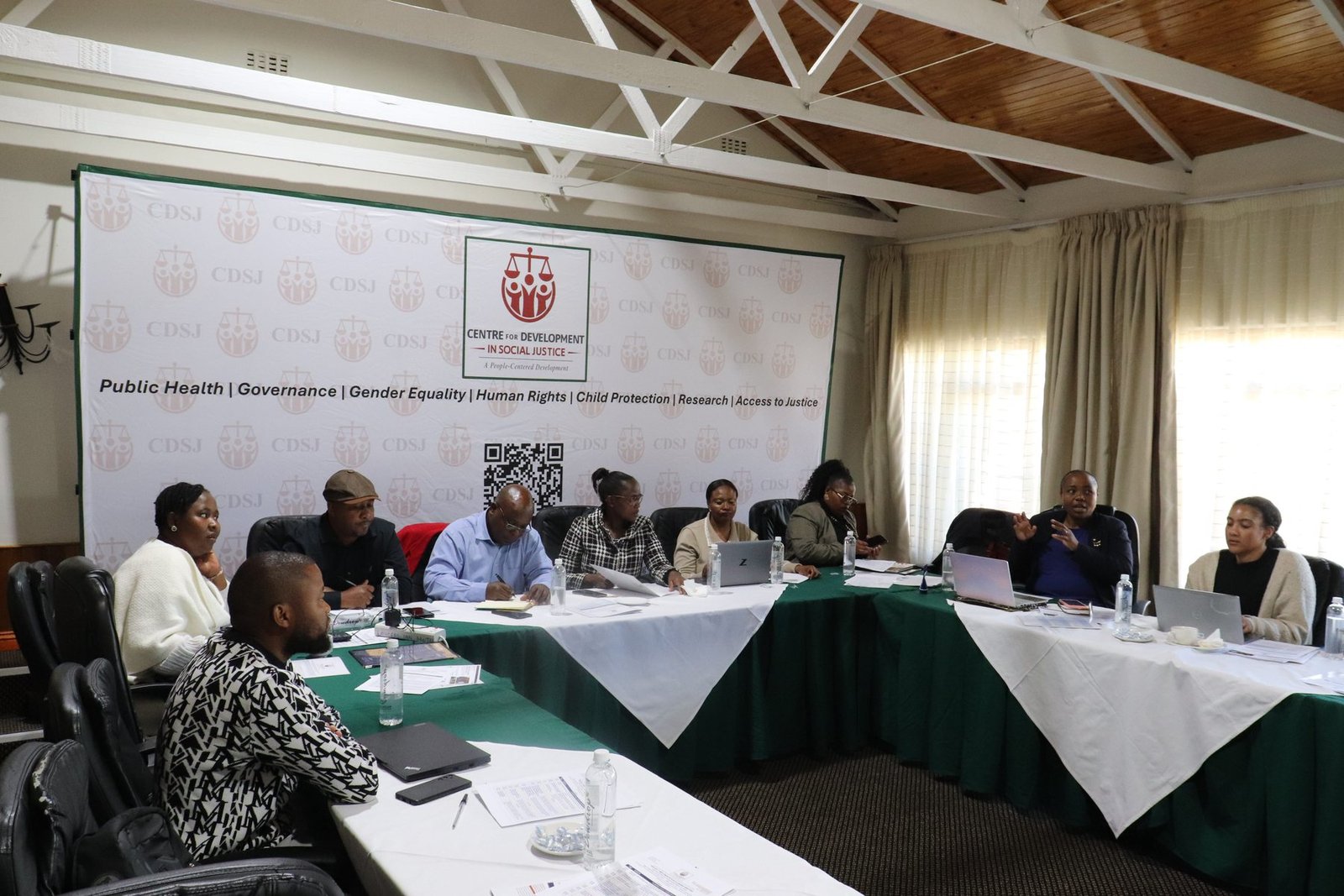
Abuse through phones, social media and other digital platforms can cause serious harm, yet justice actors do not always have clear and consistent rules for recording, investigating and presenting these cases. A second concern arises when girls and young women are charged alone in pregnancy, abortion, infant-abandonment or child-neglect matters even where responsibility may be shared by men or other actors.
CDSJ is moving these concerns from private experience into structured reform. The project combines legal and case analysis, stakeholder planning, public communication, institutional engagement and strategic support so that evidence can shape rules, decisions and frontline practice.
The objective is not only a better policy. It is a fairer journey through police, prosecution, courts, protection and public understanding.
Focused discussion and case review will inform legal rules and practical guidance for investigating and prosecuting technology-facilitated GBV.
Evidence from pregnancy- and child-related cases will support reform analysis and engagement with parliamentary and justice actors.
Strategic case support, civil-society coordination and public dialogue will connect individual justice with structural reform.
The initiative is organised through three connected workstreams: technology-facilitated GBV prosecution, gendered criminal liability in pregnancy- and child-related cases, and strategic case support linked to wider reform.
Implementation combines legal research, six planned case reviews, practical police and prosecution guidance, parliamentary and justice-sector engagement, a deserving case for support, civil-society action planning and accessible public communication.
Participation is voluntary and based on informed consent. Identifying details are protected, information is stored carefully, and the legal interests and wishes of affected people come first. Public communication focuses on structural lessons rather than exposing individual survivors or cases. The project’s funding-source details remain confidential and are not published.
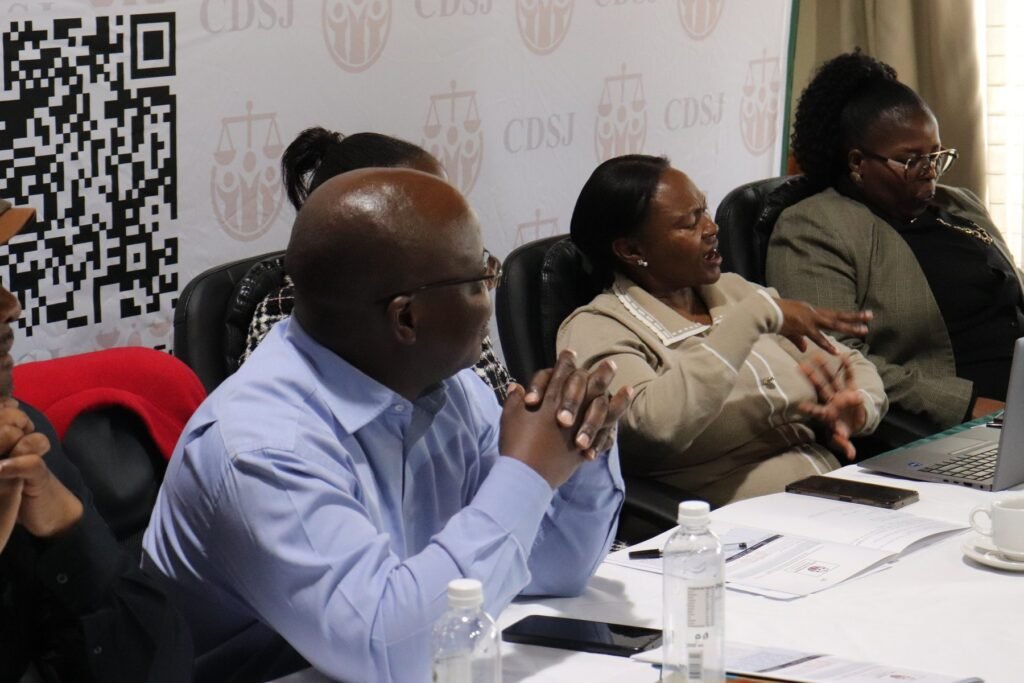
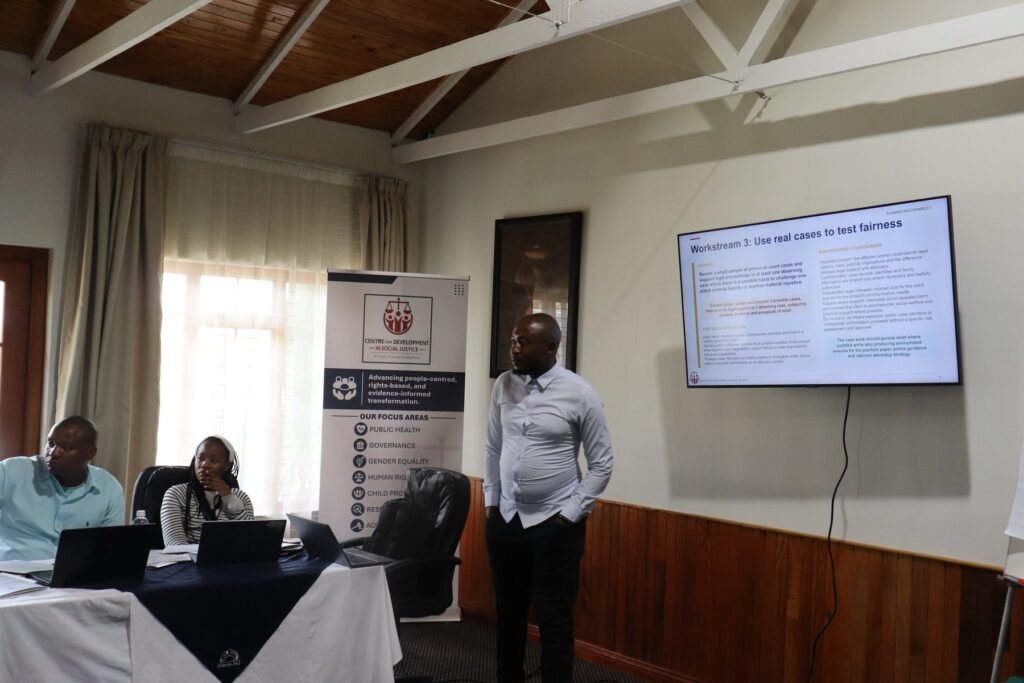
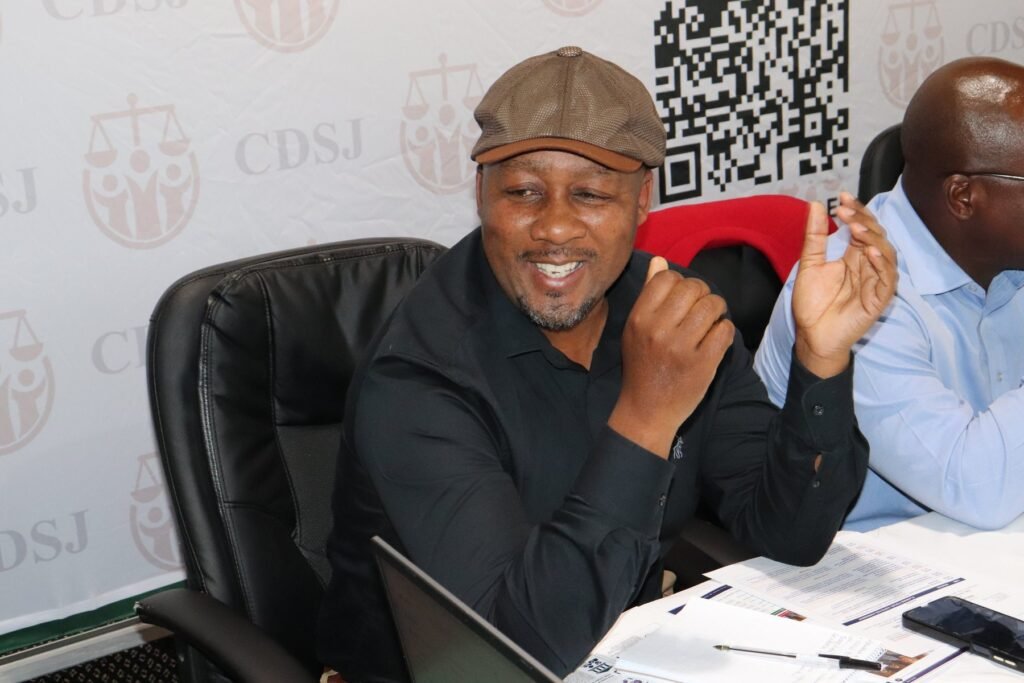
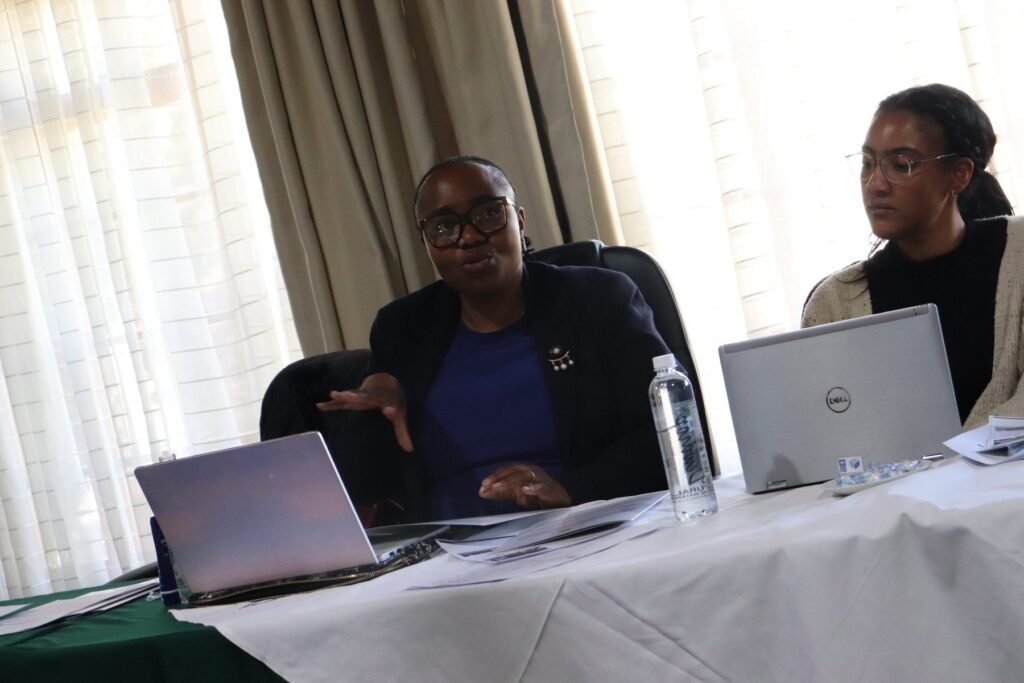
Partners can contribute to legal analysis, survivor-centred practice, digital safety, strategic litigation, implementation learning and sustained reform engagement across police, prosecution, Parliament and civil society.
Confidentiality note: donor and funding-source details for this initiative are intentionally not disclosed on the public website.
A self-funded initiative supporting 32 child-headed households across six rural communities through household profiling, protection and legal referrals, school retention and SILC-based economic strengthening.
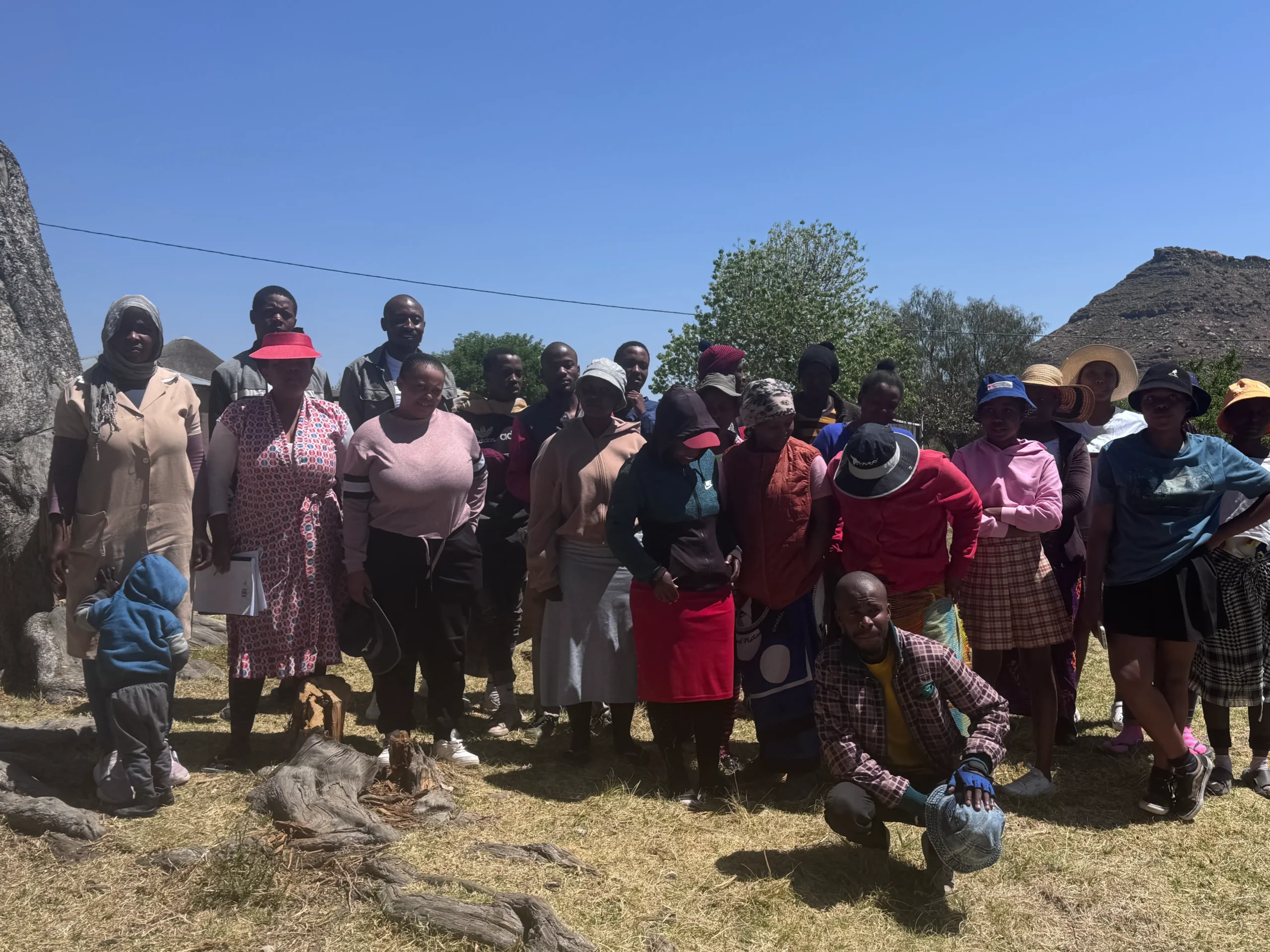
Child-headed households can face food insecurity, school interruption, exposure to GBV, property grabbing, forced servitude, early marriage and weak access to services at the same time. An income activity alone cannot resolve a protection case; a referral alone cannot secure a household’s future.
CDSJ therefore designed a combined community response. Household profiling and follow-up connect child protection, GBV prevention, legal support, school retention, savings and livelihood development around each household’s actual conditions.
Economic vulnerability and rights vulnerability are connected. A credible response must be equally connected.
Field visits, vulnerability assessment, protection awareness and practical follow-up connect households to appropriate services and support.
SILC groups build peer connection, household resilience and preparation for sustainable, locally viable income activity.
Legal and education pathways address inheritance, property, documentation, service access and school retention or re-entry.
The project identifies and profiles child-headed households based on actual conditions, then combines prevention, referral and practical household-strengthening support. Older adolescents are supported toward livelihoods and cooperative approaches while legal and protection concerns receive follow-up.
At Ha Mafa, CDSJ invested M20,000 directly in a SILC-linked onion and potato farming initiative intended for commercial-scale production connected to local street-vending markets—showing how savings groups can progress toward structured livelihood activity.
Work involving children and vulnerable households requires careful consent, confidentiality, referral judgement and do-no-harm practice. Public stories avoid identifying children or disclosing details that could expose household location, legal concerns or protection status.
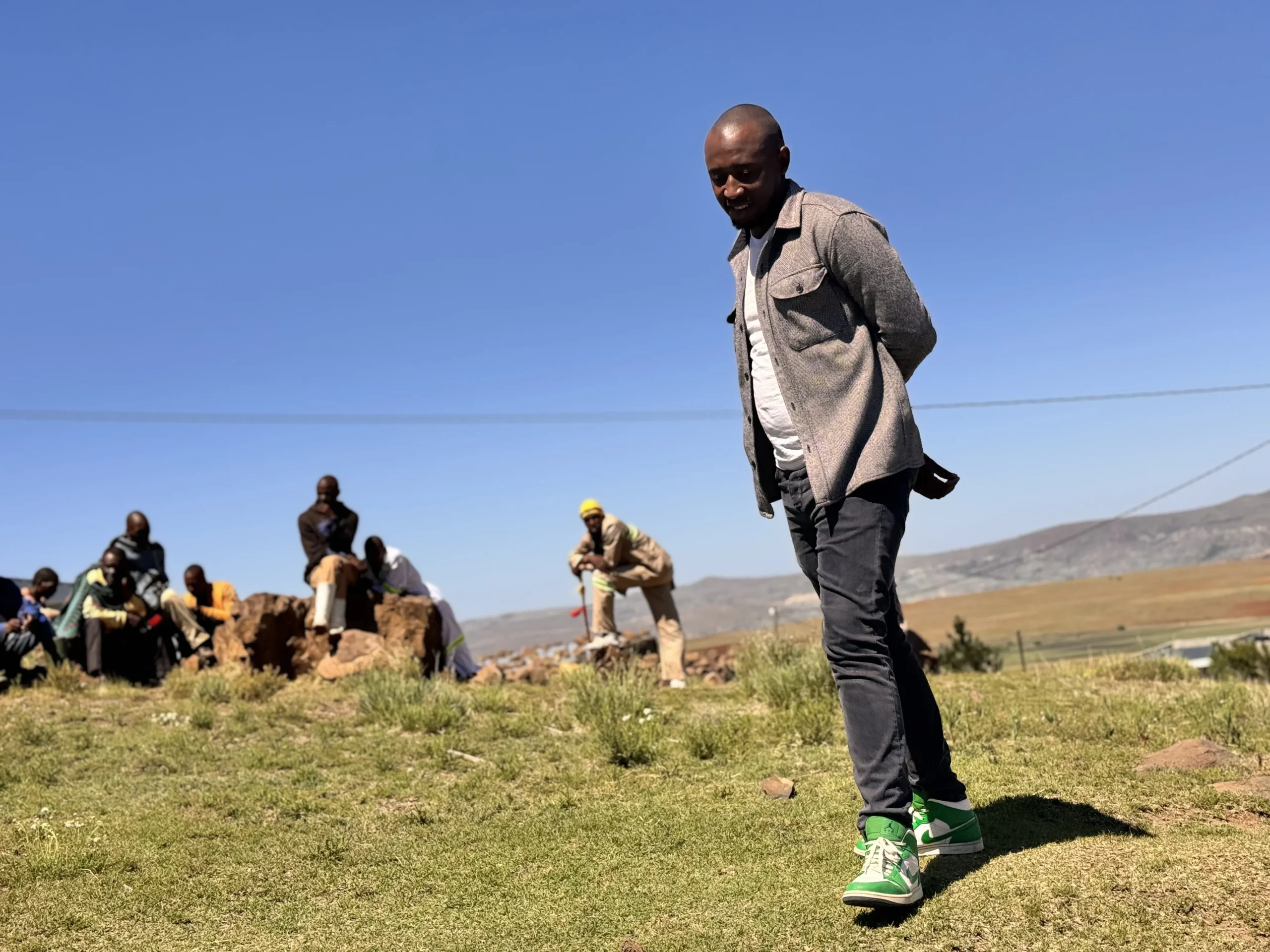
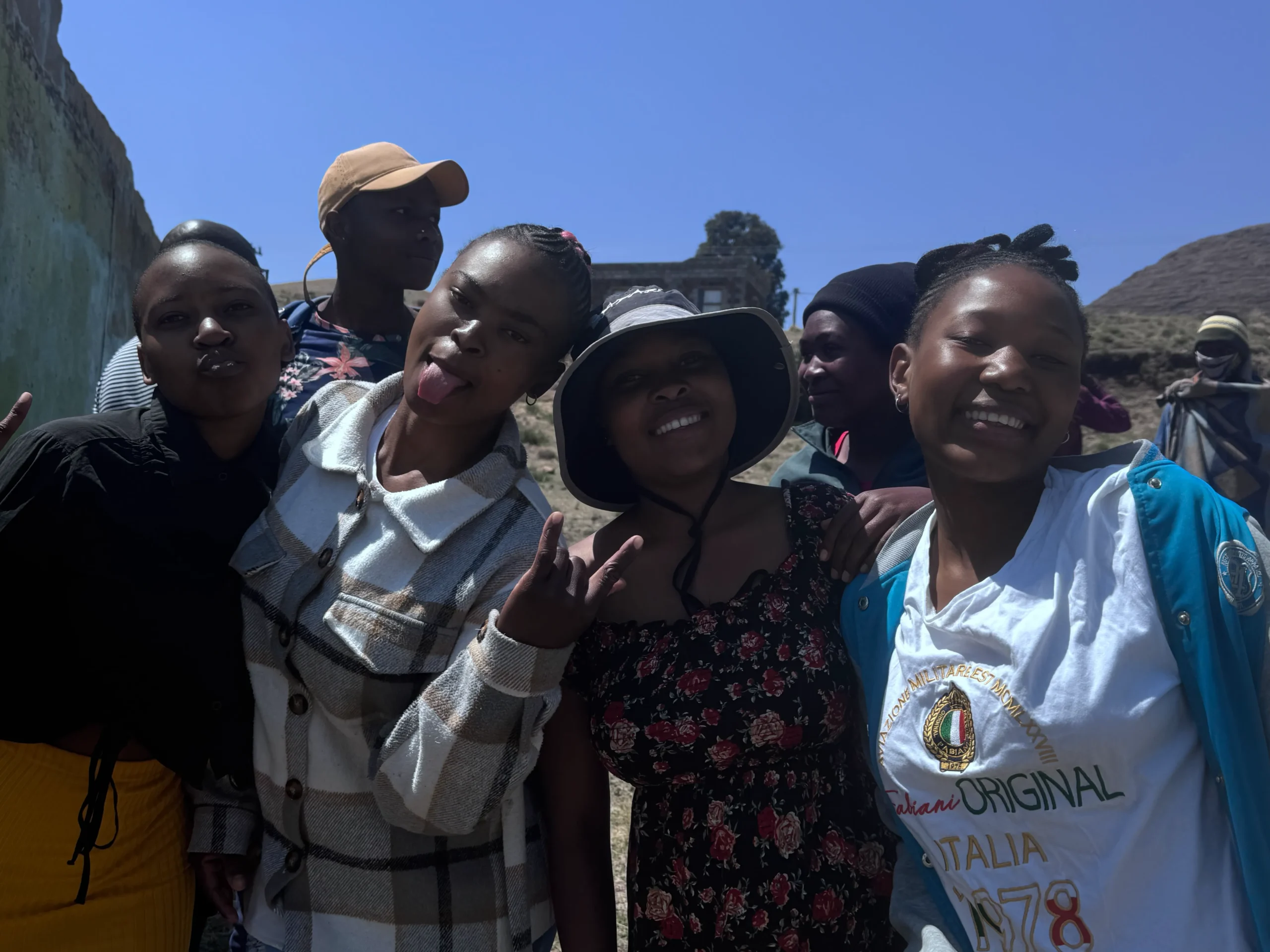
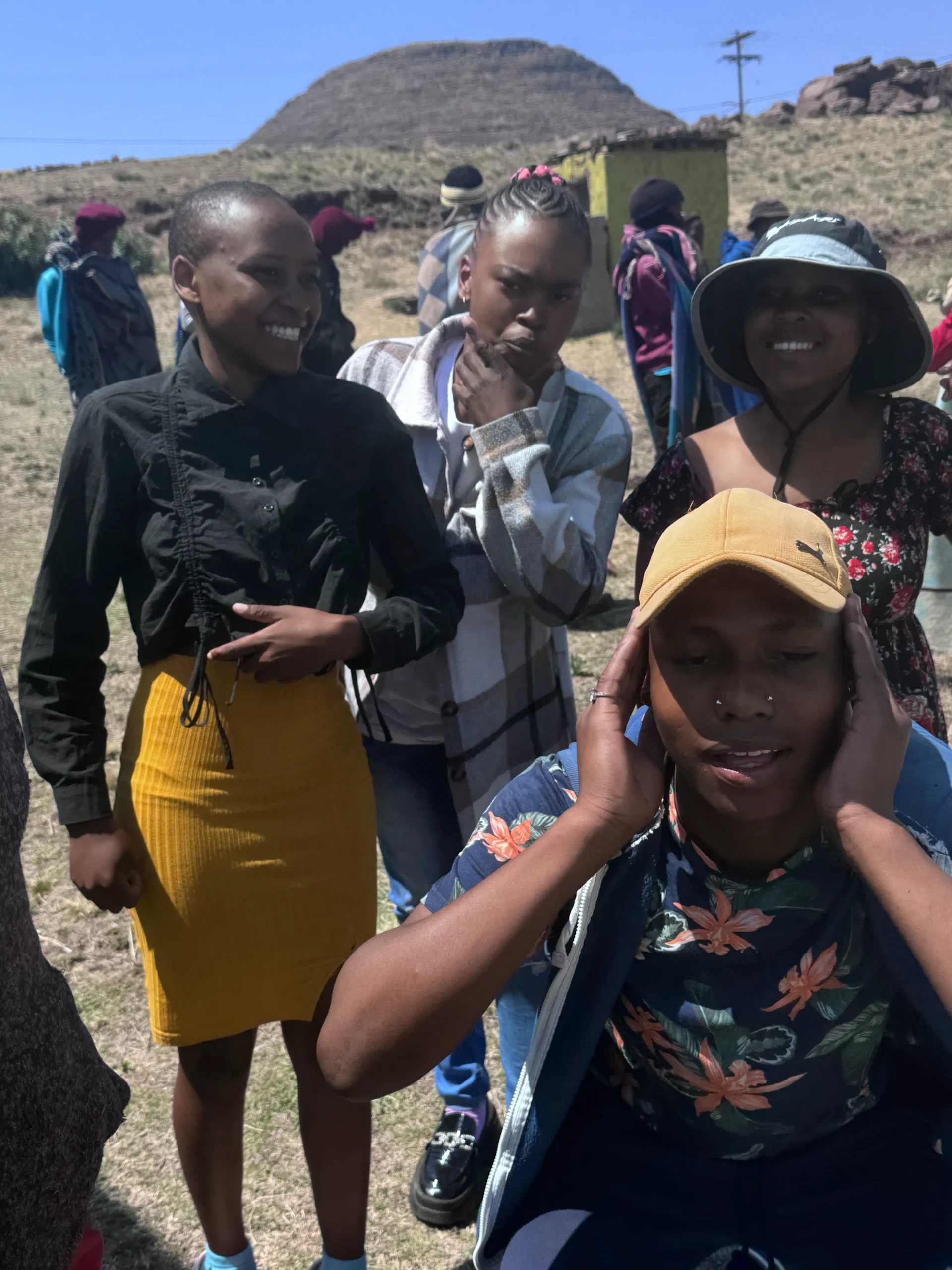
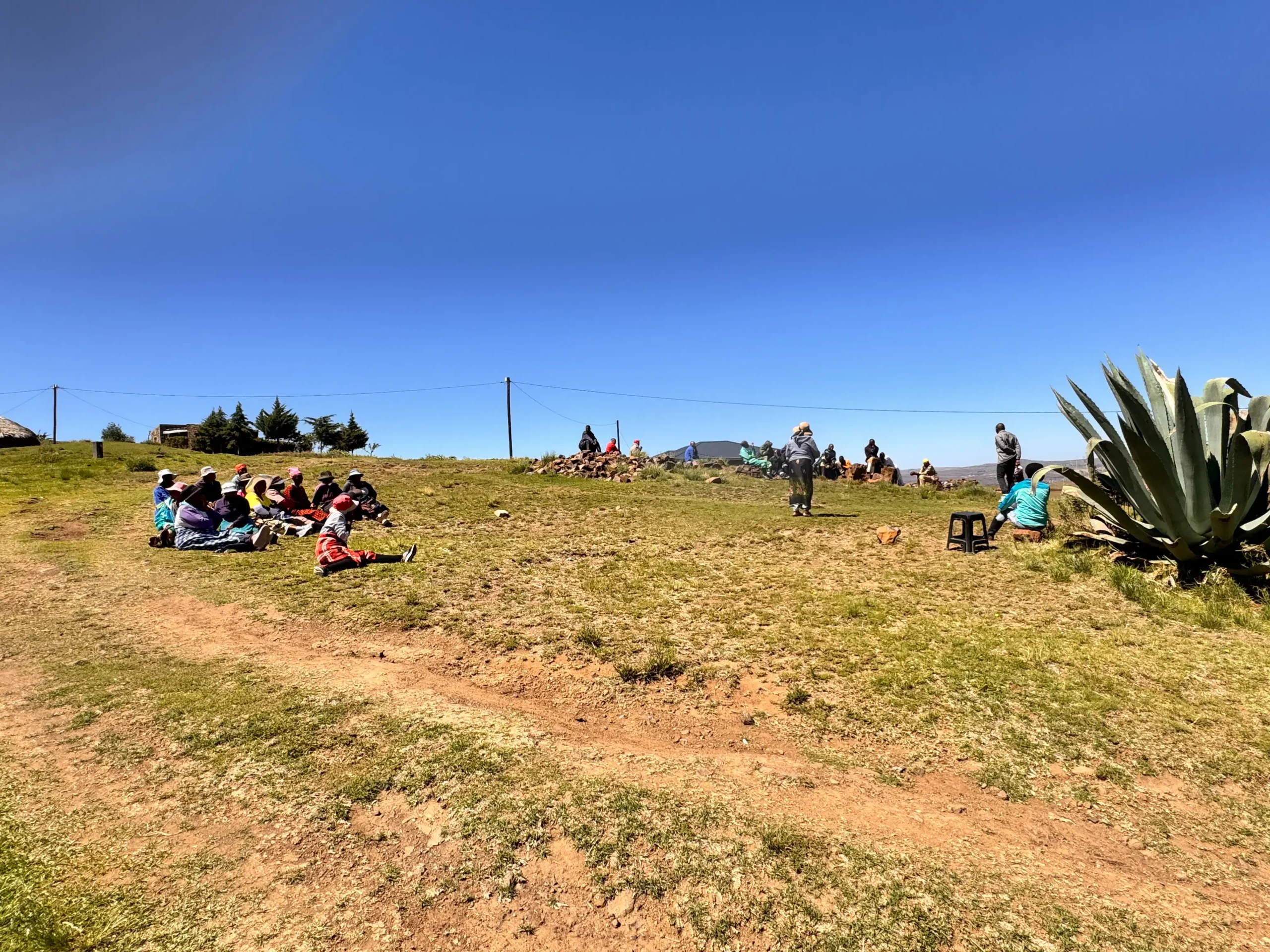
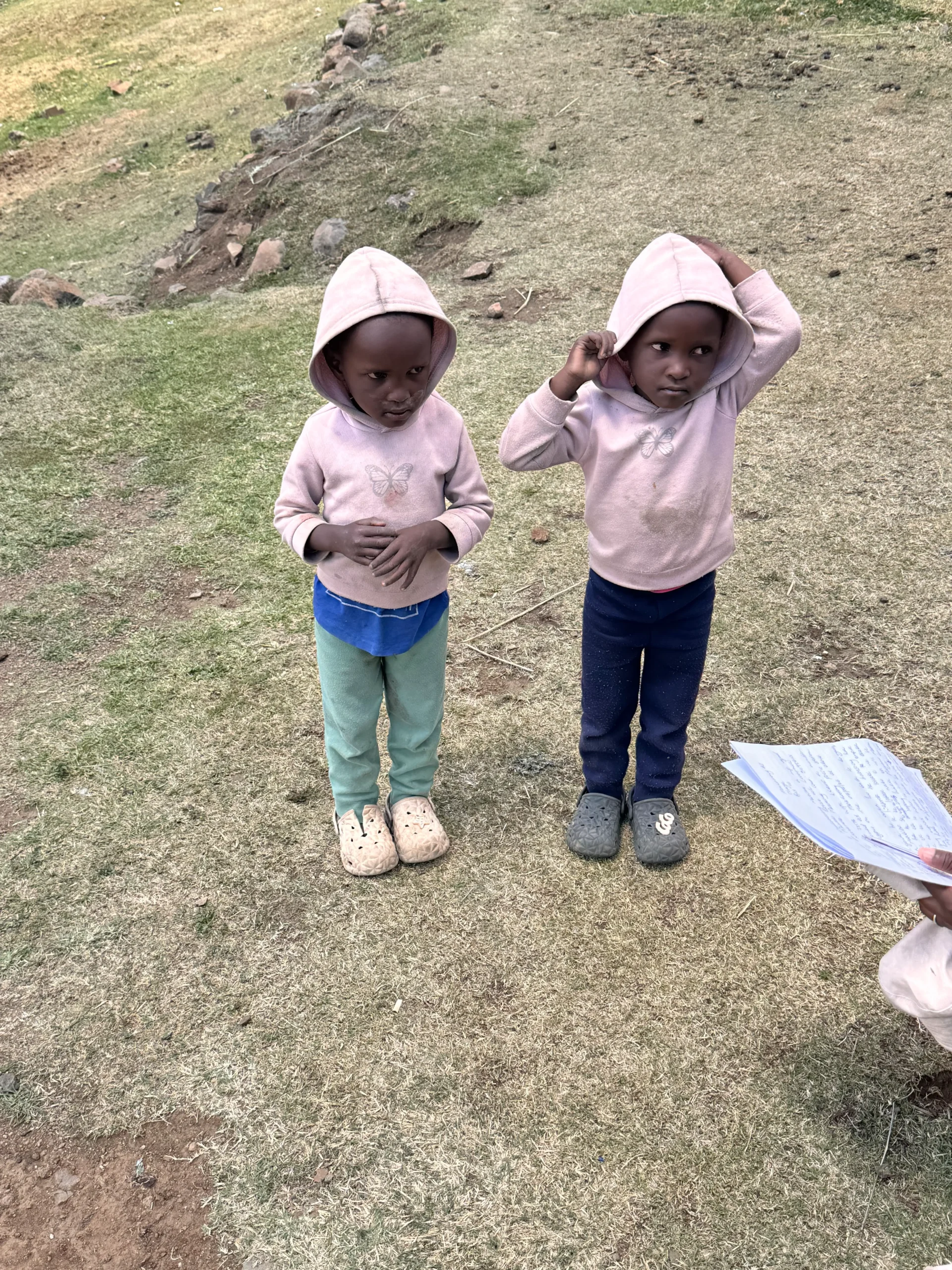
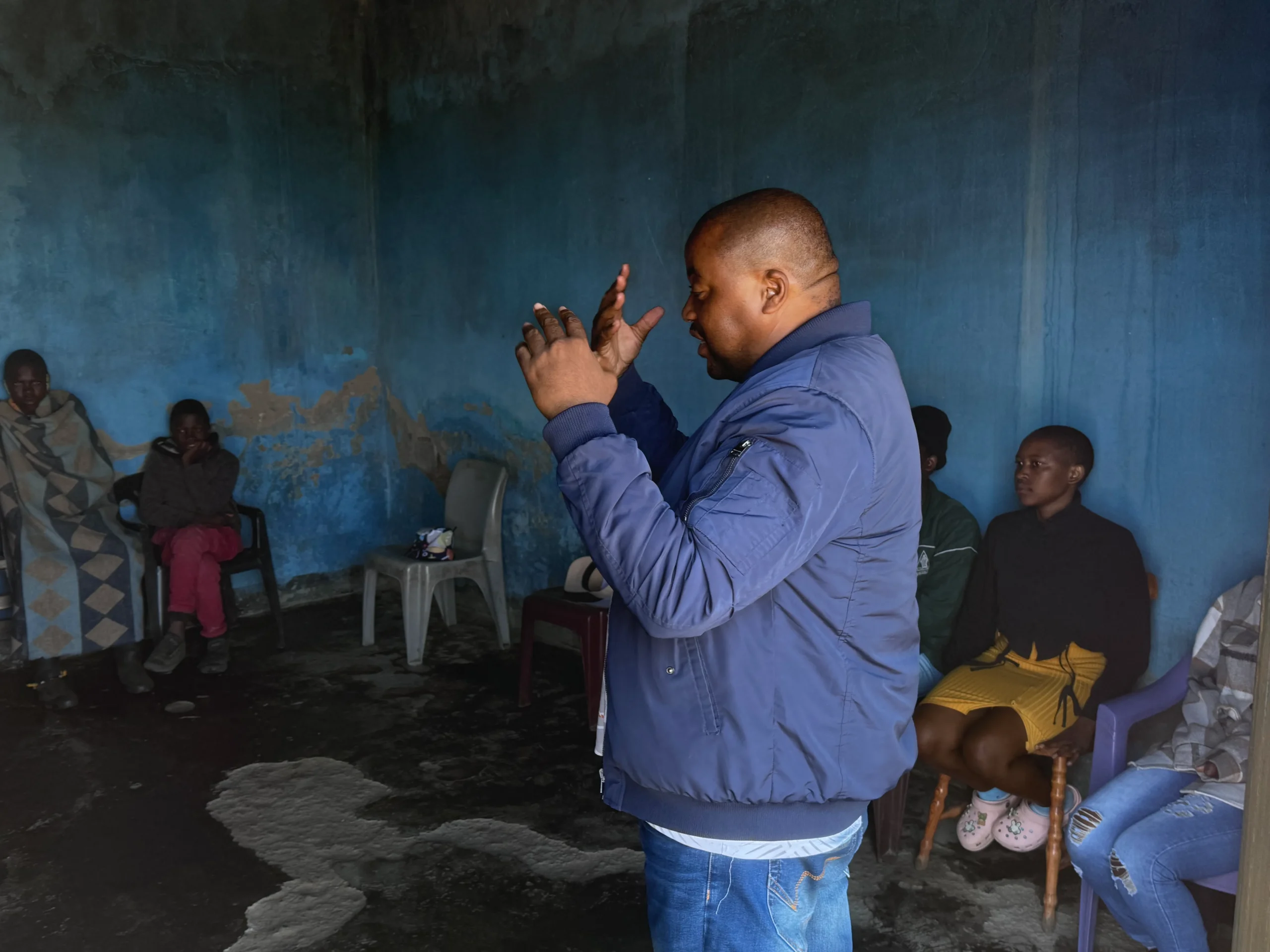
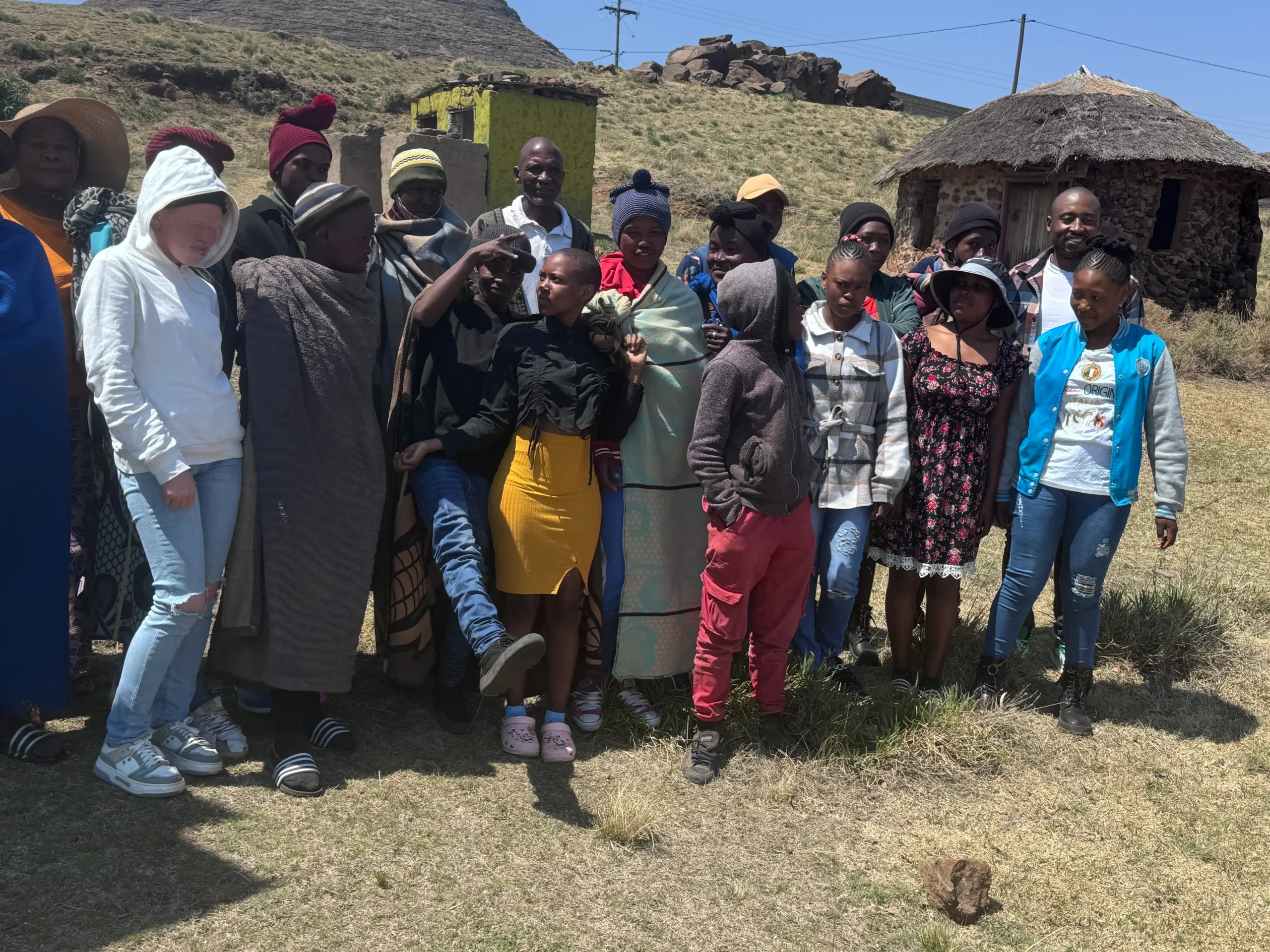
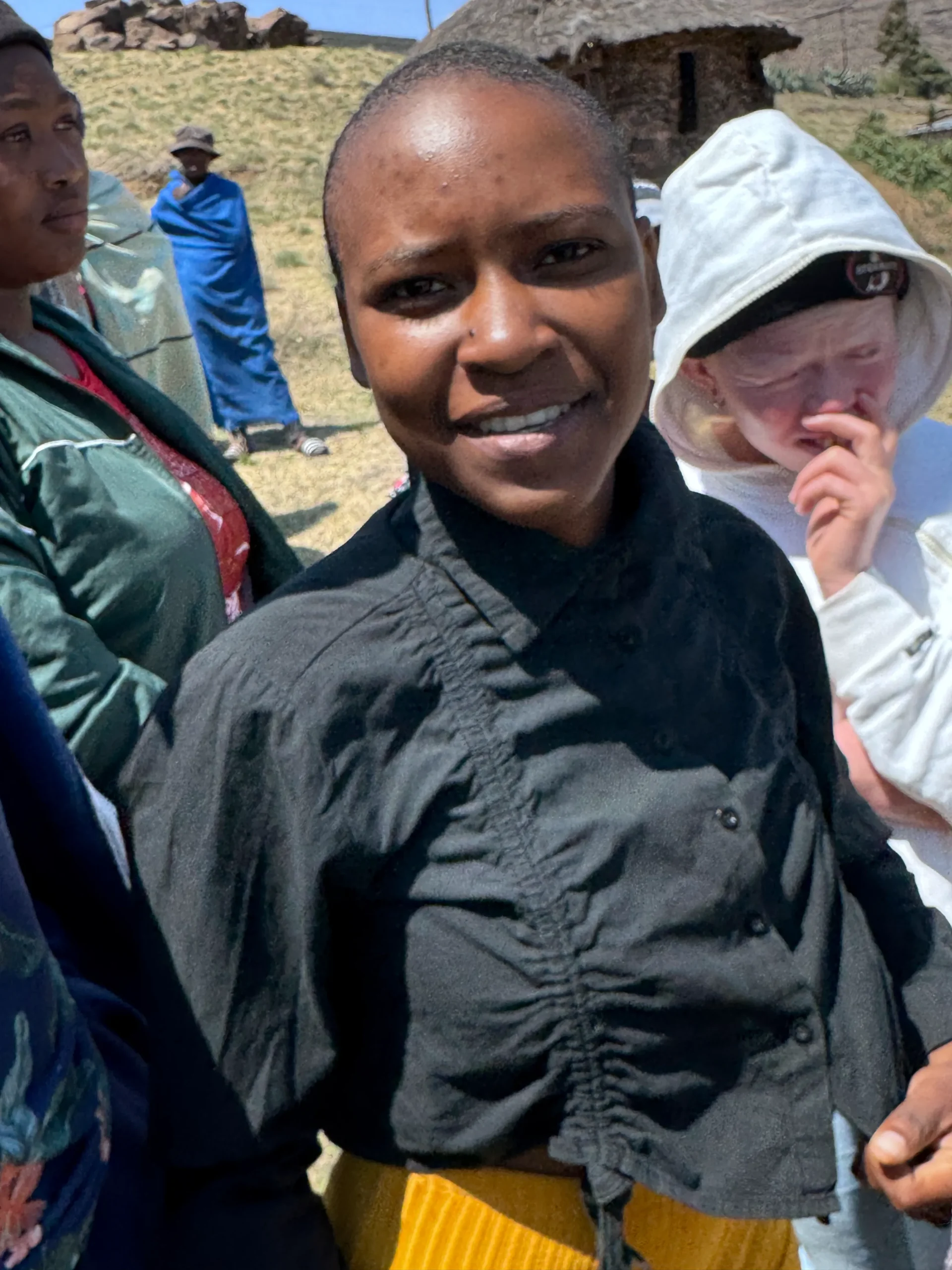
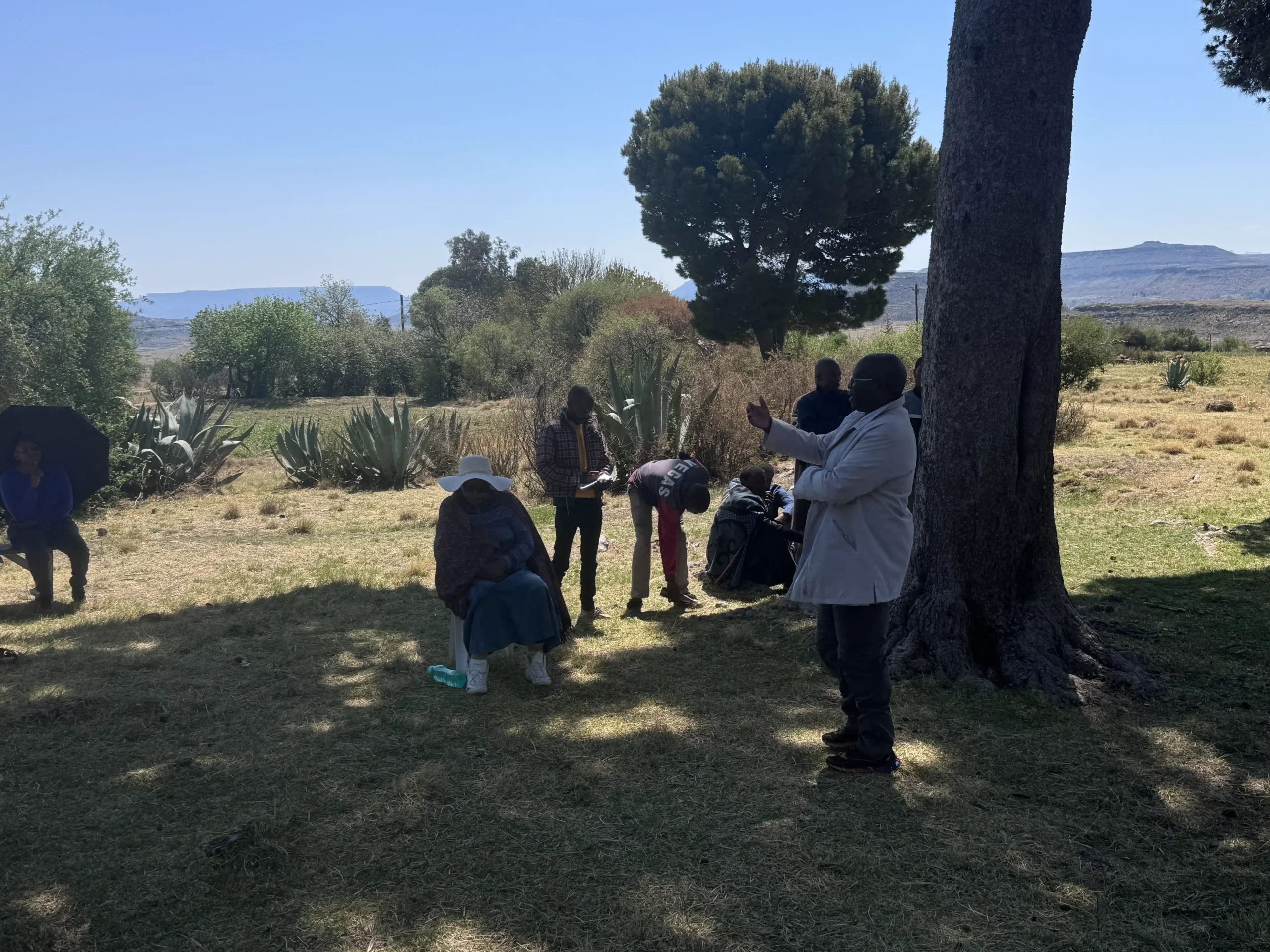
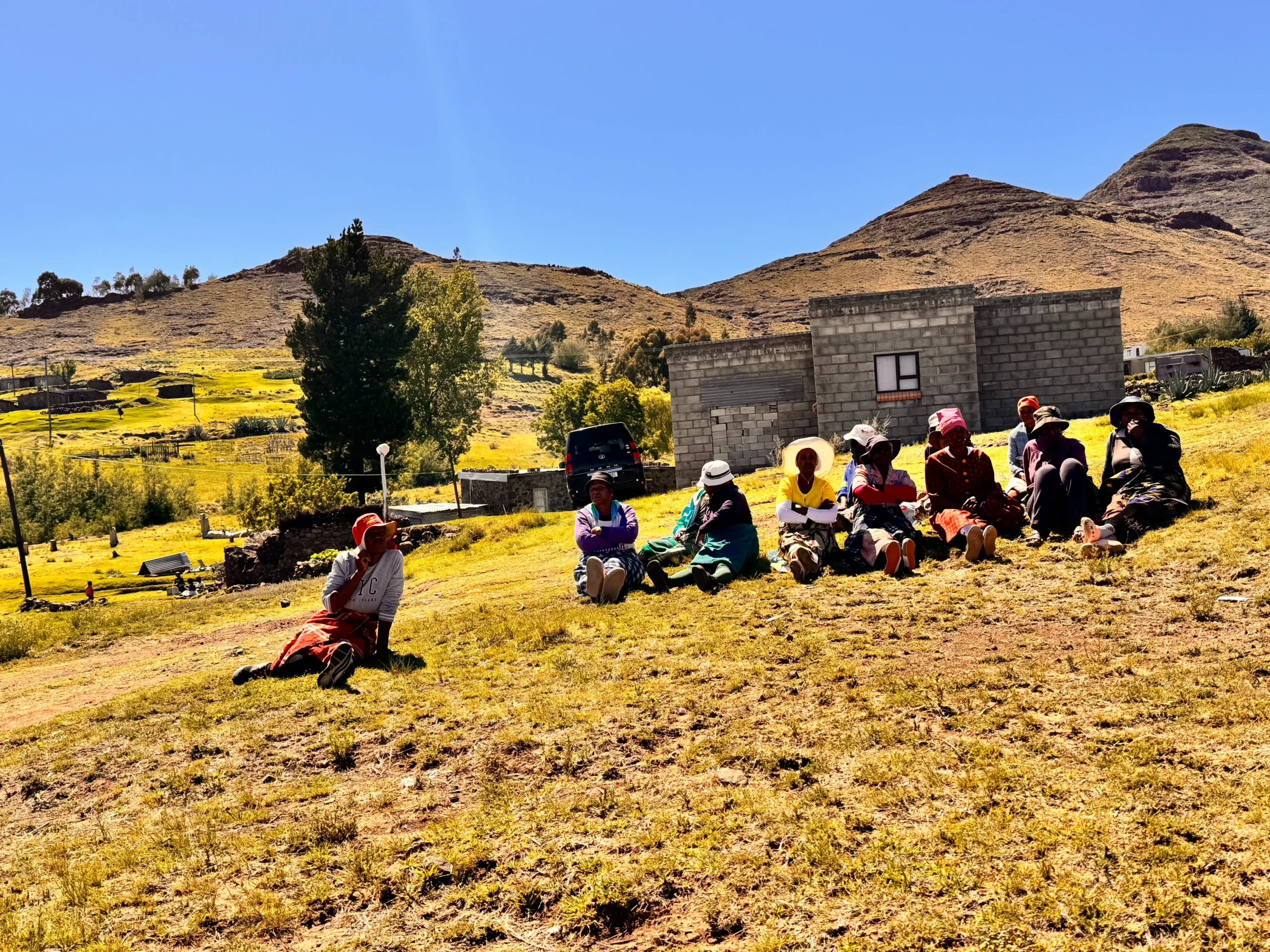
The initiative offers partners a practical foundation for combining child protection, legal empowerment, education continuity, savings and climate-aware livelihoods rather than funding fragmented responses to interconnected risks.
Implementation figures describe verified households, communities and investment to date. Future reach and outcome claims will be added only when documented.
A self-funded national consultation that brought together 30 participants to develop youth recommendations for the UN Women CSW70 global process while generating grounded evidence for justice reform in Lesotho.
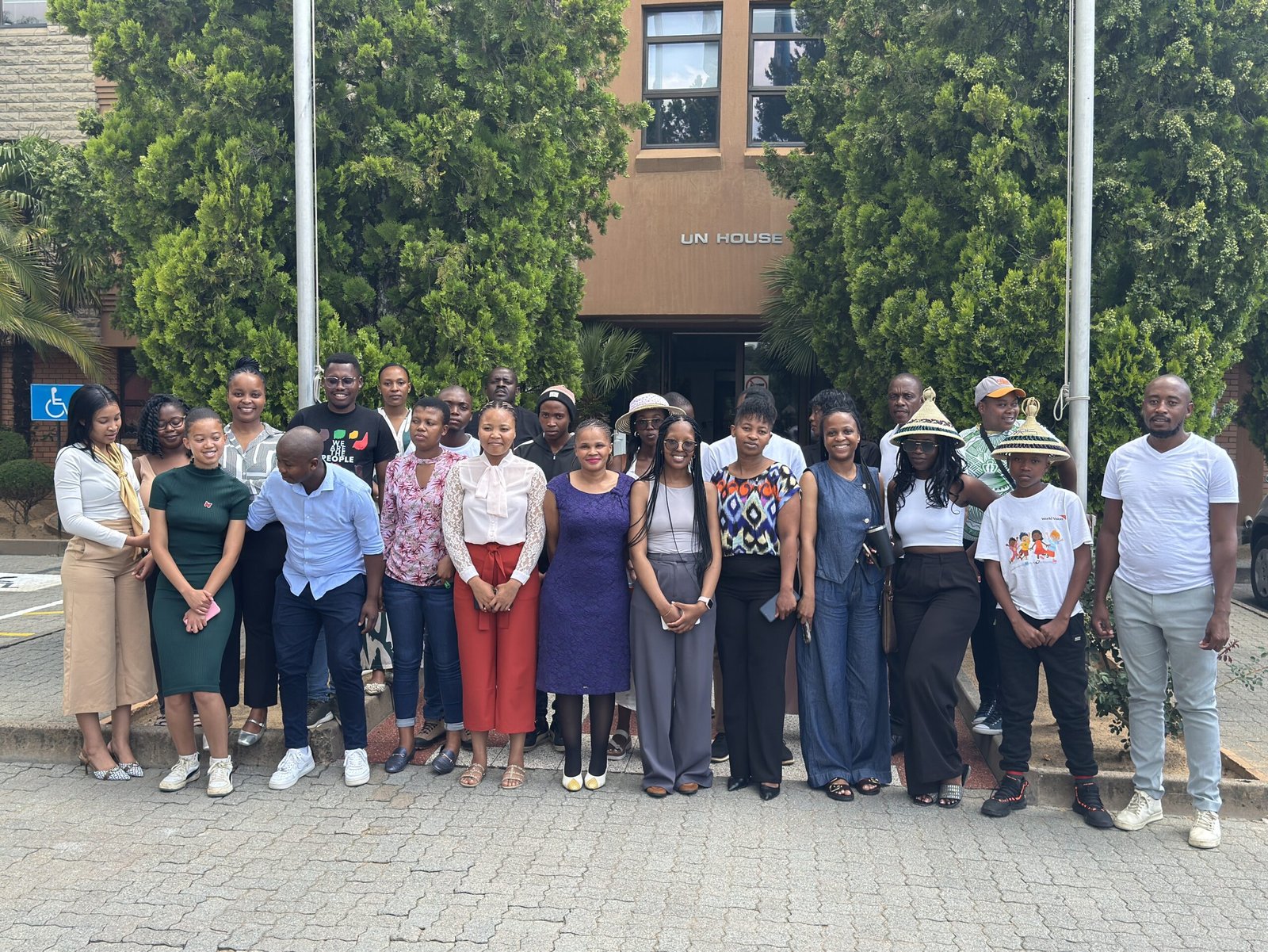
Women and girls in Lesotho continue to encounter barriers to justice in cases involving GBV, sexual abuse, economic exploitation and harmful social norms. These barriers are intensified by under-resourced institutions, limited rural legal aid, weak digital access and justice processes that may not be designed around adolescent or survivor needs.
CDSJ convened the consultation so adolescent girls, young women, youth representatives, women’s-rights allies and civil-society actors could analyse those barriers and carry locally grounded recommendations into the CSW70 global process.
Youth participation was treated as a source of legal and policy insight—not as a ceremonial presence.
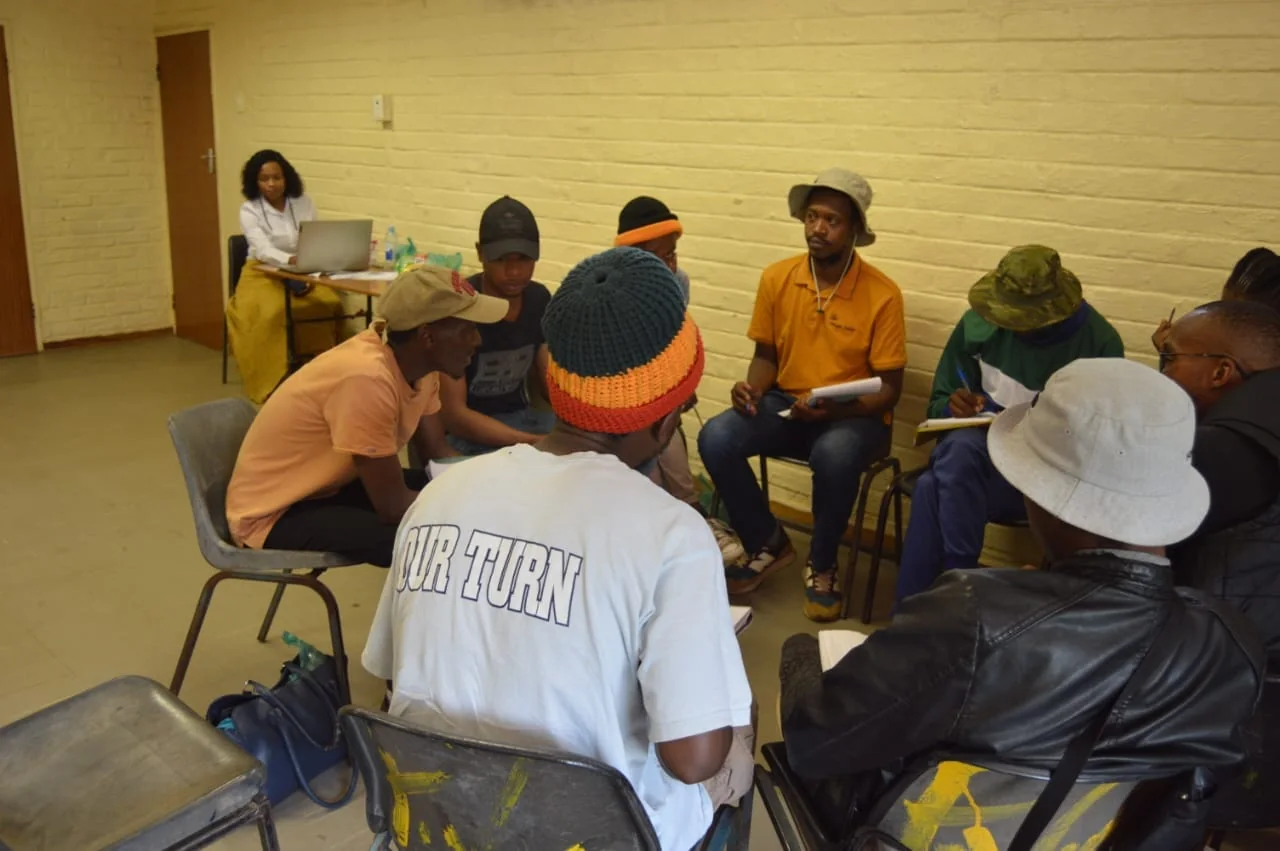
Participants from urban, peri-urban and rural contexts worked through five thematic groups and plenary validation.
The consultation examined consent, school responses, economic rights, institutional capacity, rural legal aid, digital exclusion and disability access.
Rapporteur documentation and collective validation turned discussion into a clear set of recommendations for national and global engagement.
The one-day process combined plenary framing, five facilitated thematic groups, rapporteur documentation and collective validation. The method created room for lived experience, legal concerns and practical institutional recommendations to be examined together.
Key issues included guardian-consent barriers, school responses that mischaracterise rape, enforcement of marital-property and economic rights, police and court capacity, shelters and rural legal aid, digital exclusion and inaccessible justice infrastructure.
Participation and documentation were handled with attention to dignity, age, gender and the sensitivity of discussions about violence and justice. The public story communicates structural issues and collective recommendations rather than exposing personal experiences.
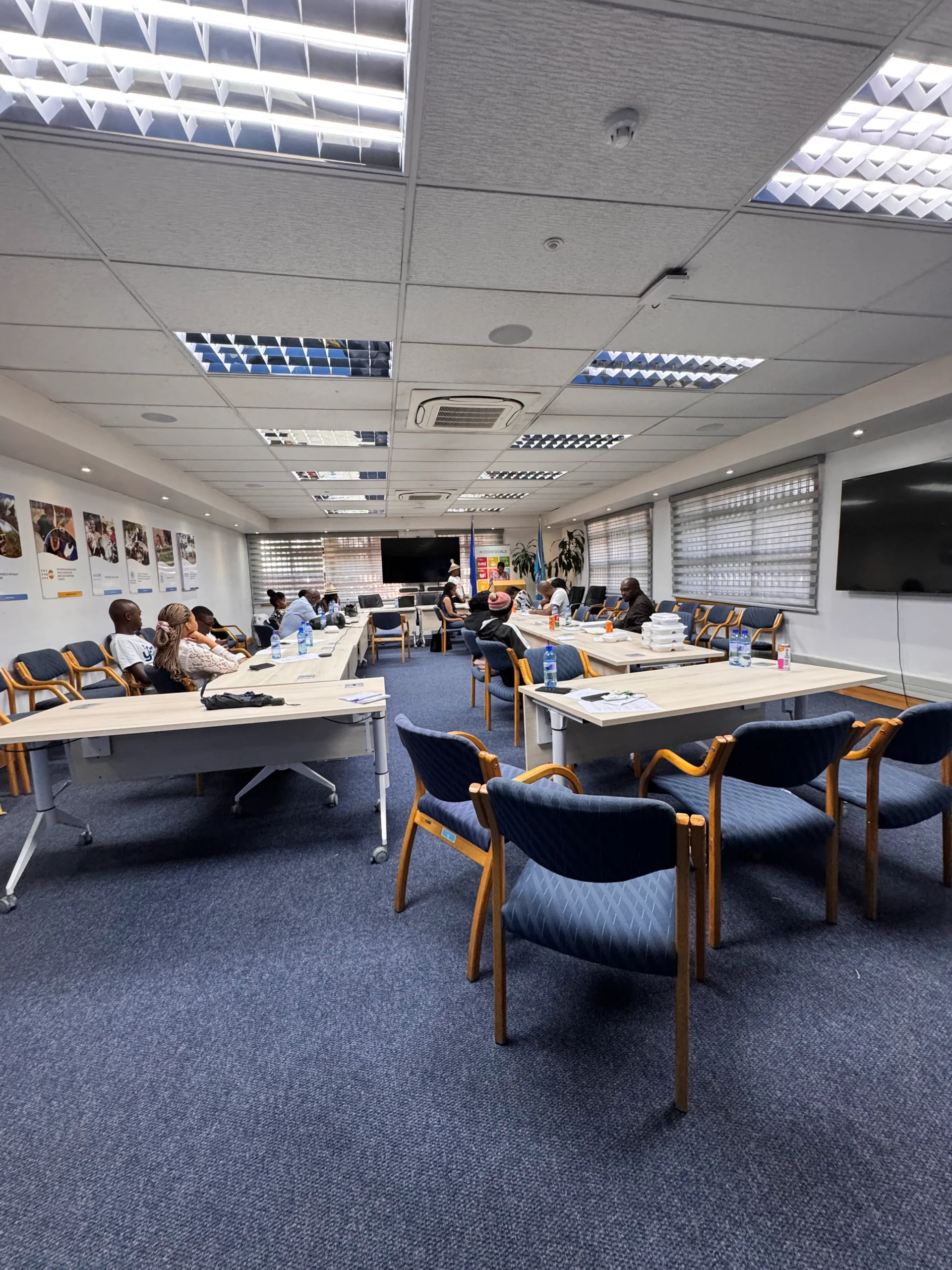
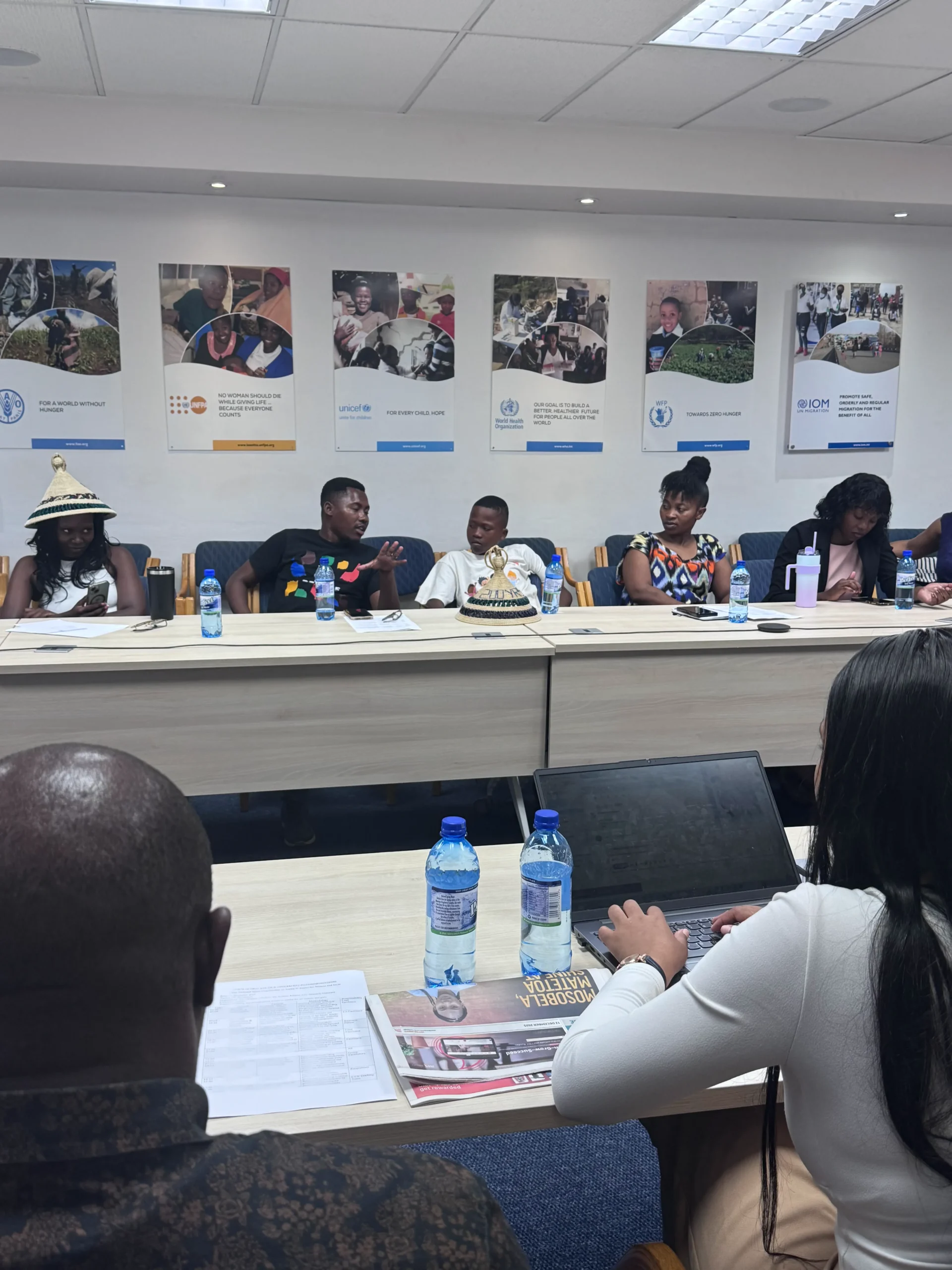
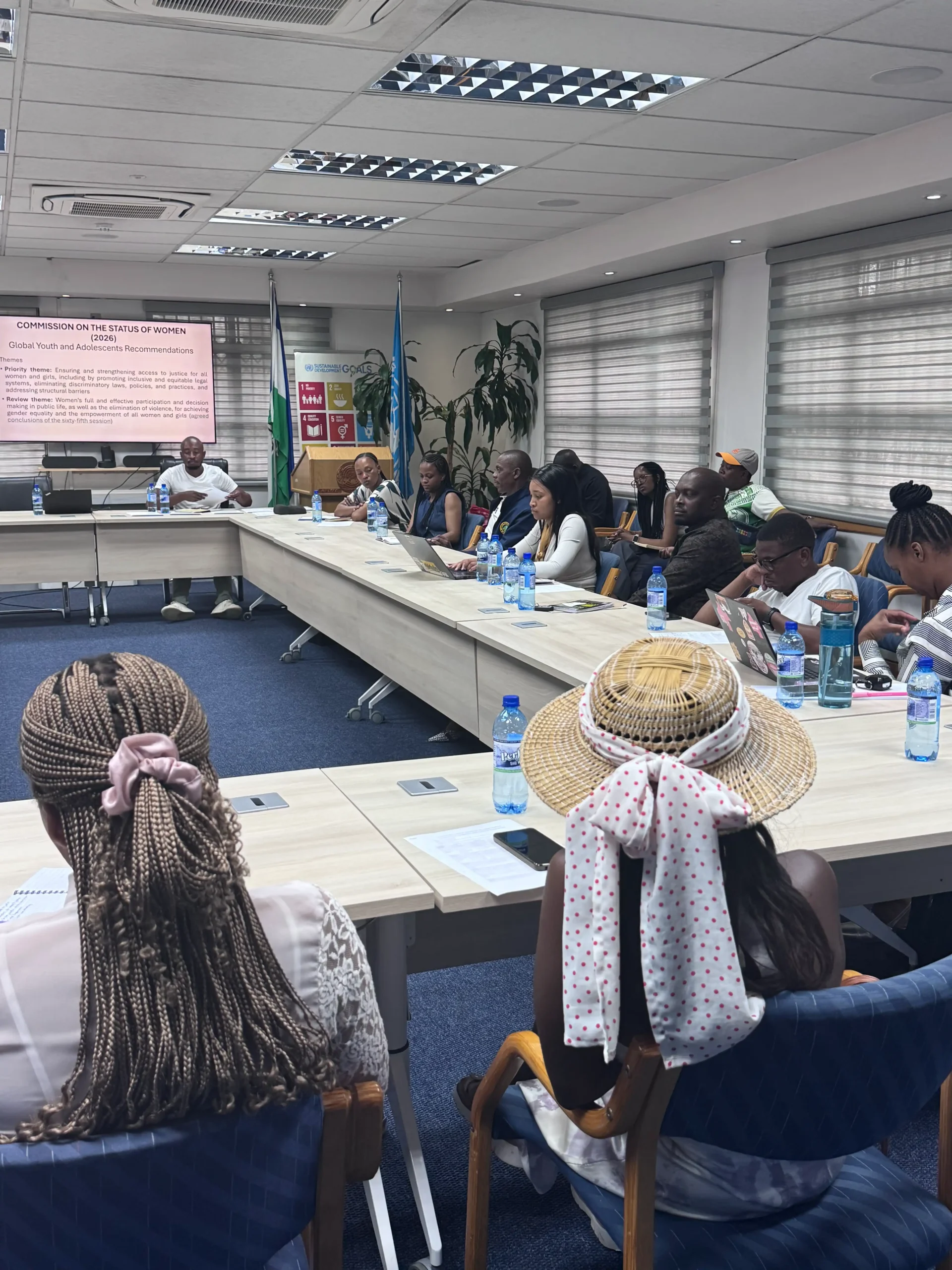
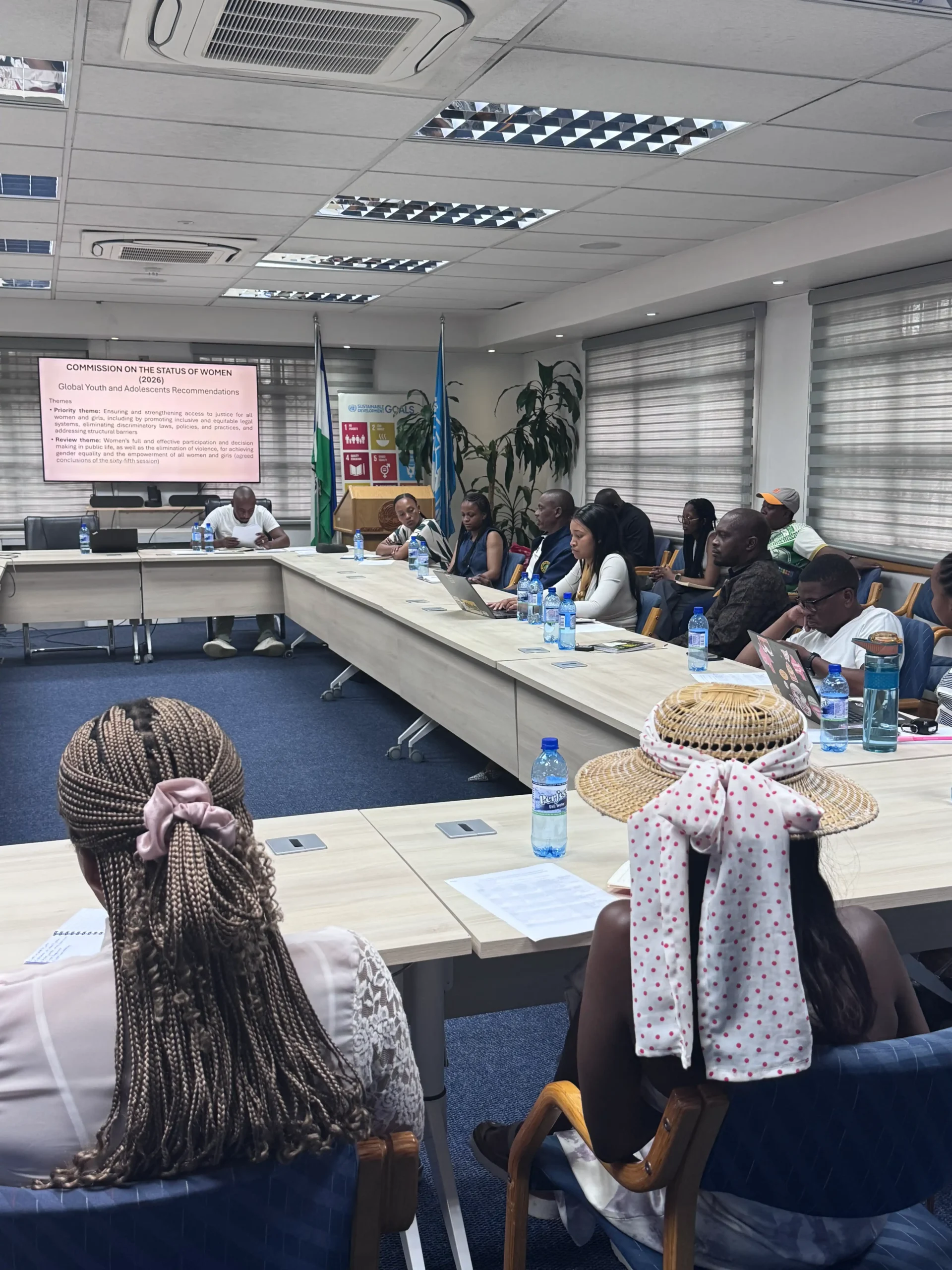
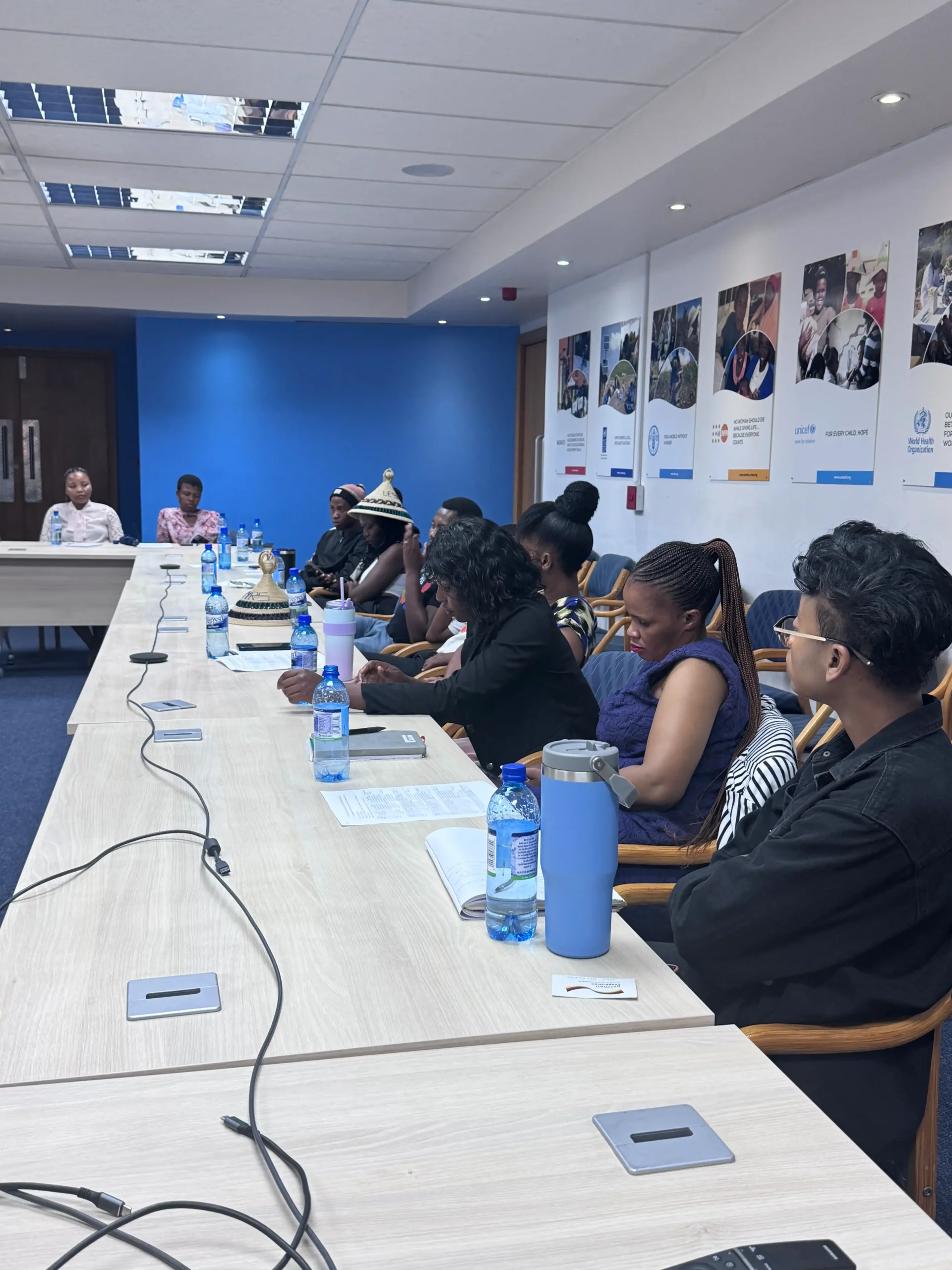
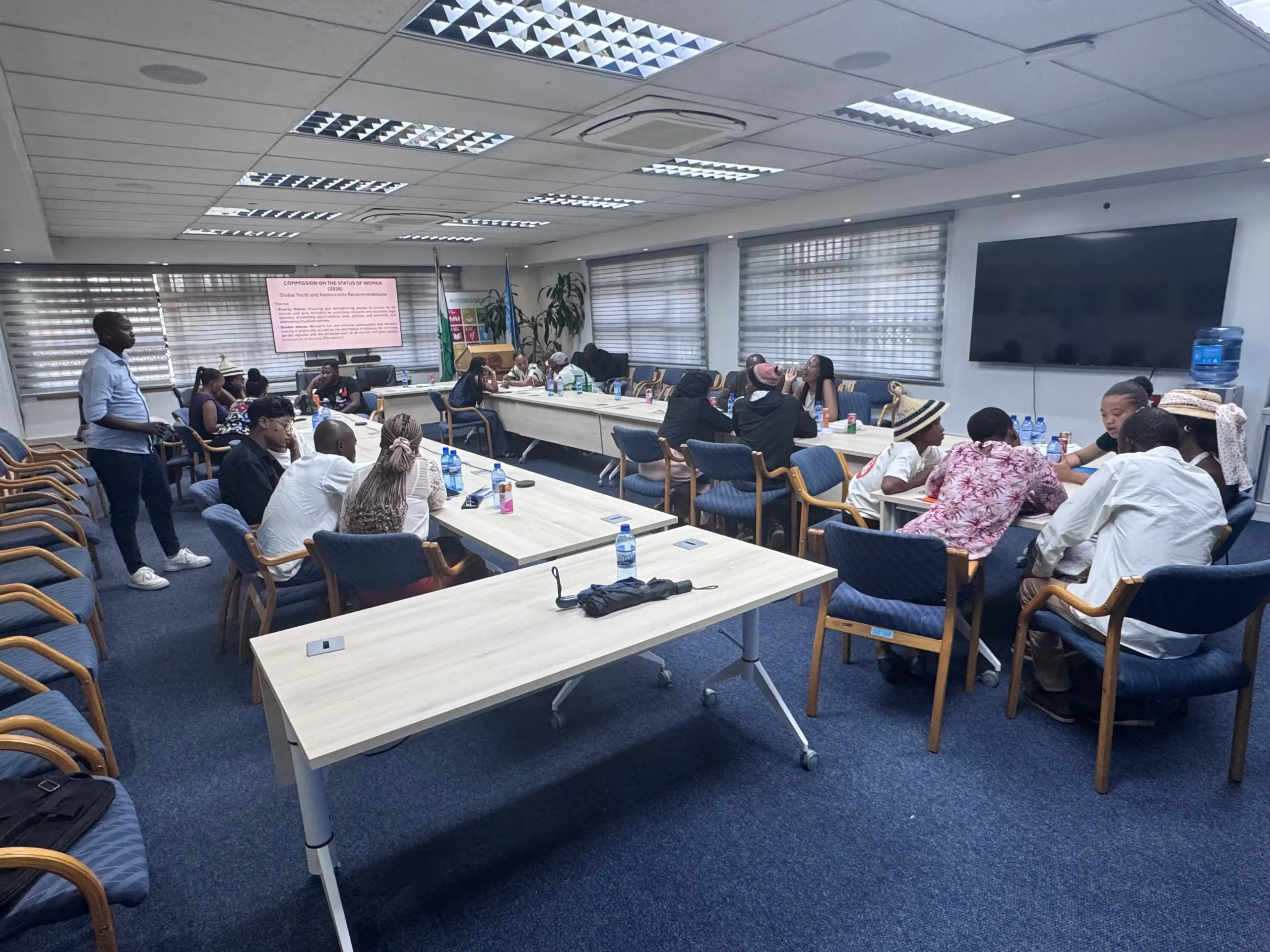
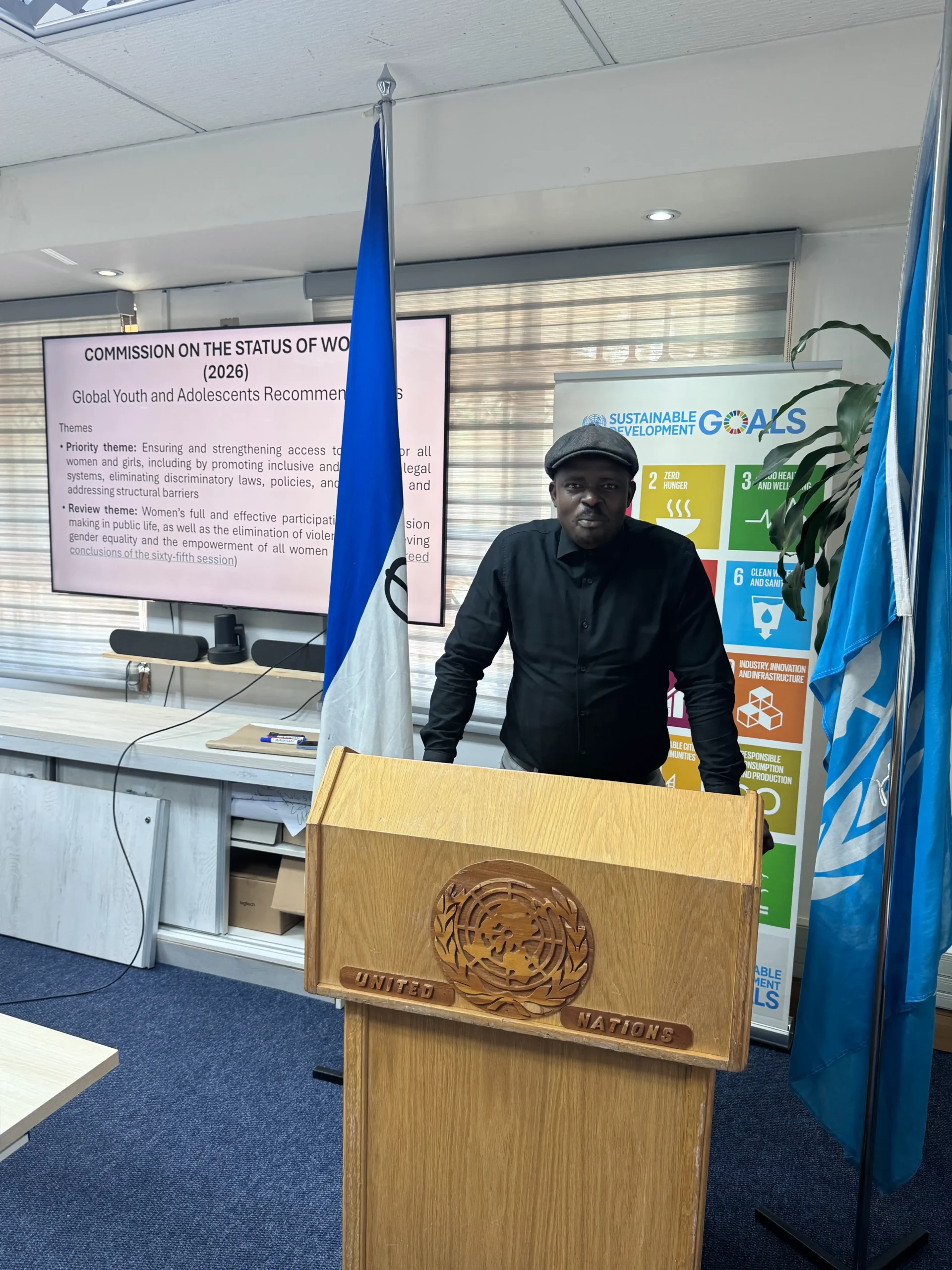
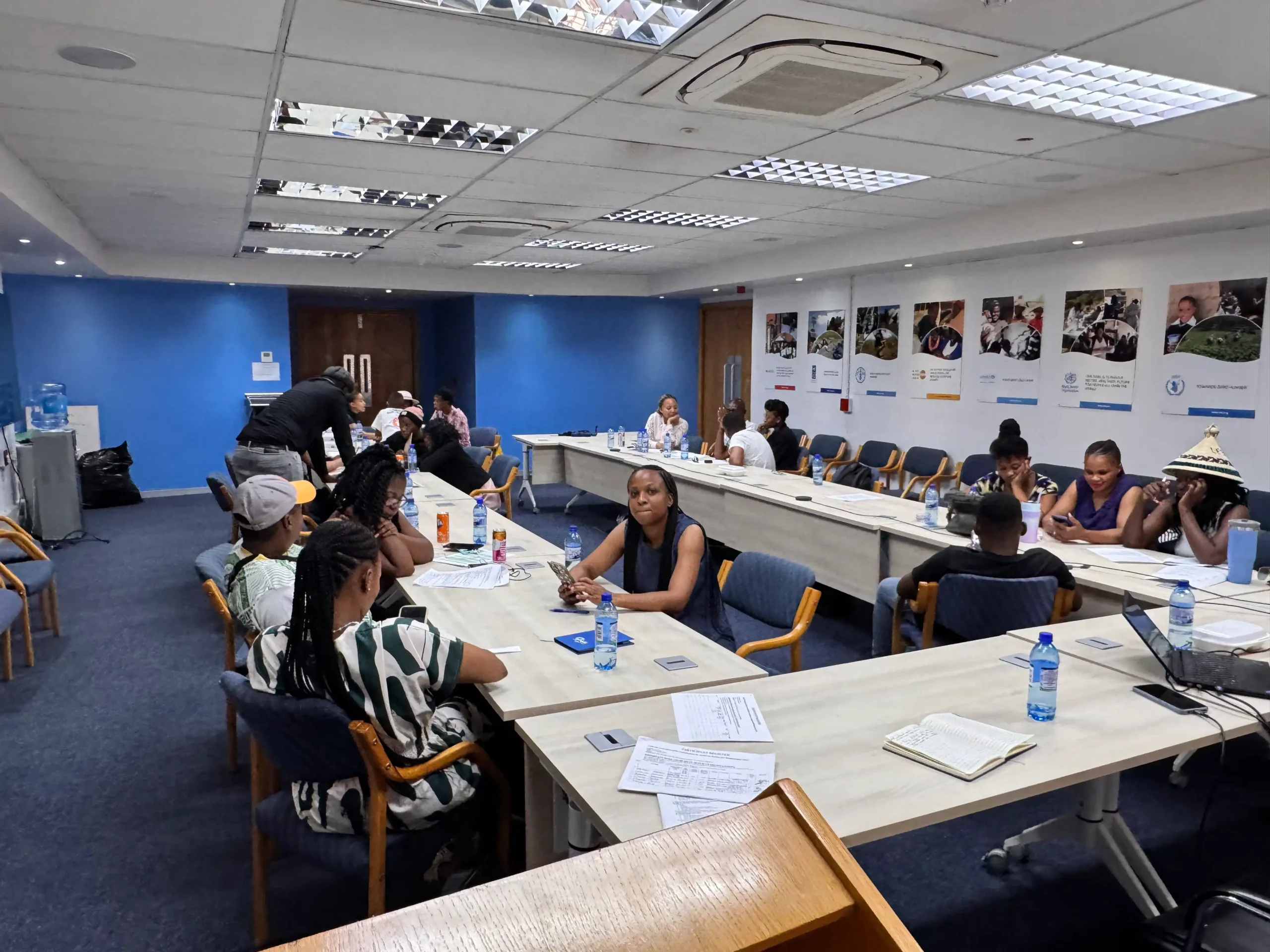
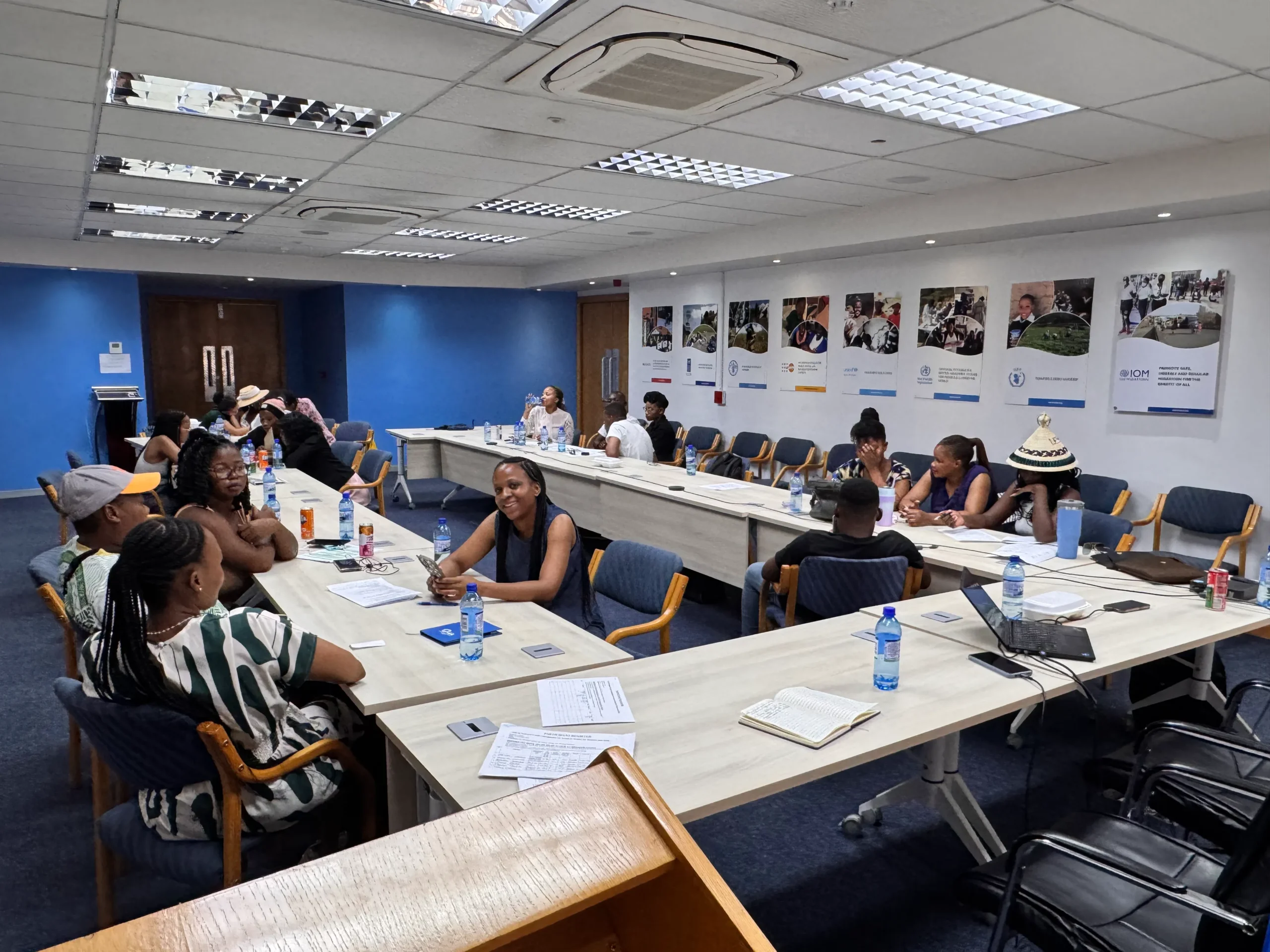
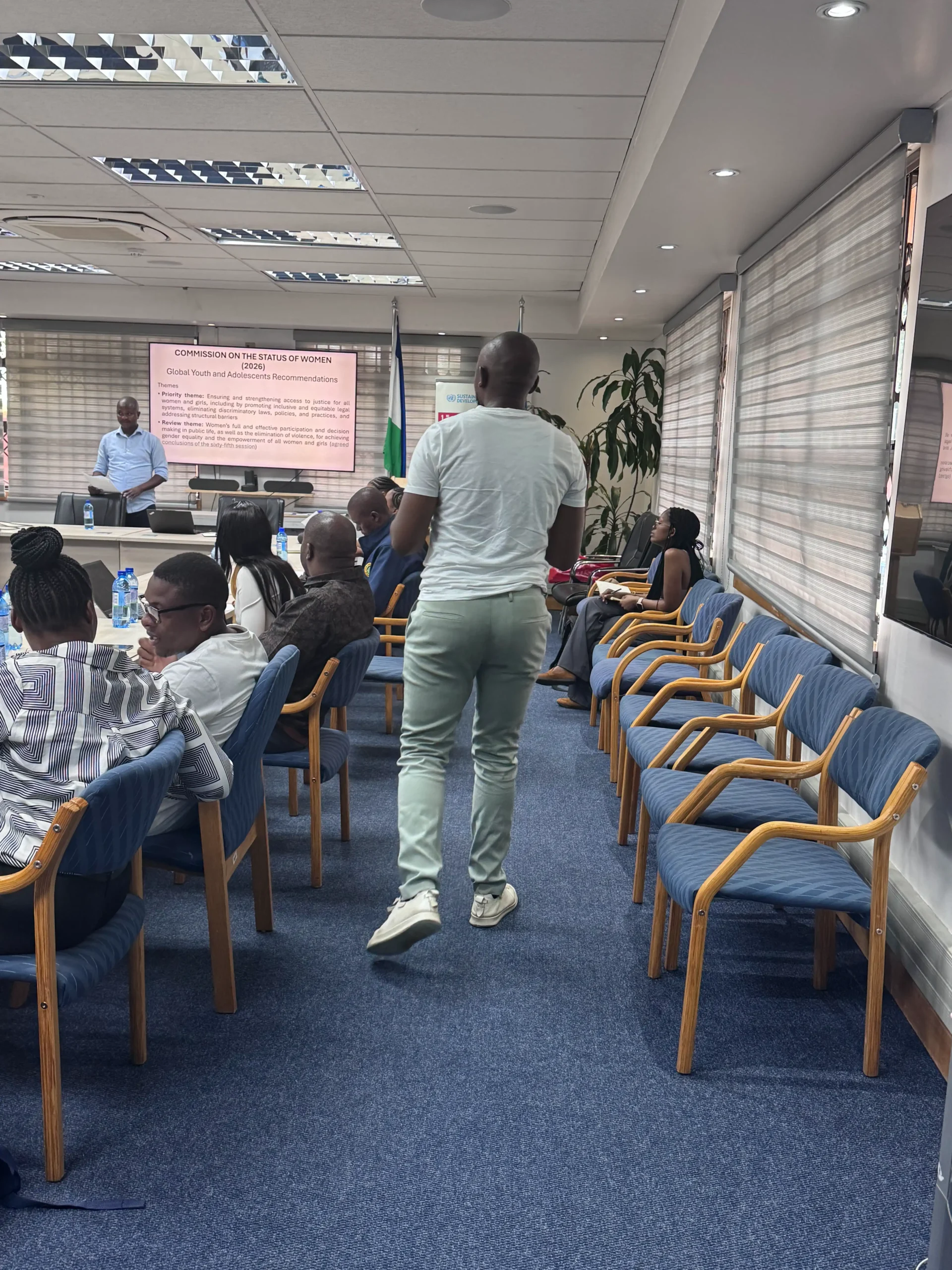
The consultation demonstrates CDSJ’s ability to translate an international policy moment into a credible national process—combining mobilisation, facilitation, documentation and advocacy around a clear public-interest question.
All participation and recommendation figures reflect the completed consultation. The project was self-funded by CDSJ.
A founder-led resilience initiative that worked with young people, families, community leaders and public institutions to reduce vulnerability to gang recruitment and strengthen safer, locally owned alternatives.
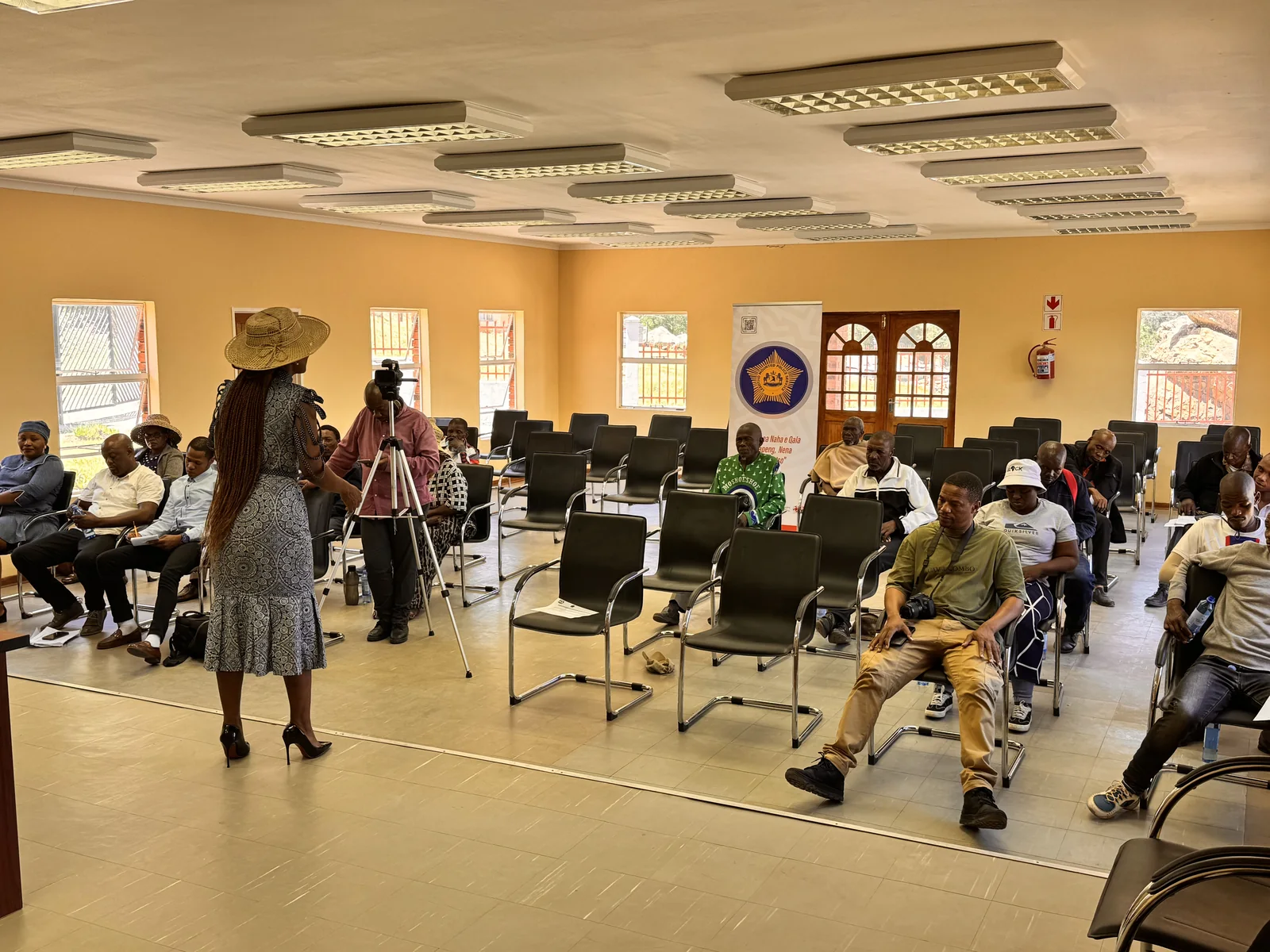
Violence associated with famo-linked organised crime has affected safety, family life and opportunity in parts of Lesotho. Young men and boys can face recruitment, coercion, retaliation and promises of protection or income. Enforcement alone cannot address the trauma, social pressure and lack of positive pathways that make recruitment possible.
Hope Over Hustle placed prevention, dignity and community ownership at the centre. It connected civic-leadership training, peer mentorship, community service, protective relationships and cooperation with public institutions so young people could experience safer forms of belonging and purpose.
Prevention became strongest where trust, mentorship, community leadership and institutional responsibility met.
Civic-leadership sessions and community-service projects positioned young people as contributors rather than risks to be managed.
Mentor–mentee pairs, chiefs, schools and families created discreet support and stronger reintegration pathways.
Public institutions and community actors explored protection mechanisms, early intervention and a trauma-informed, non-militarised BootCamp model.
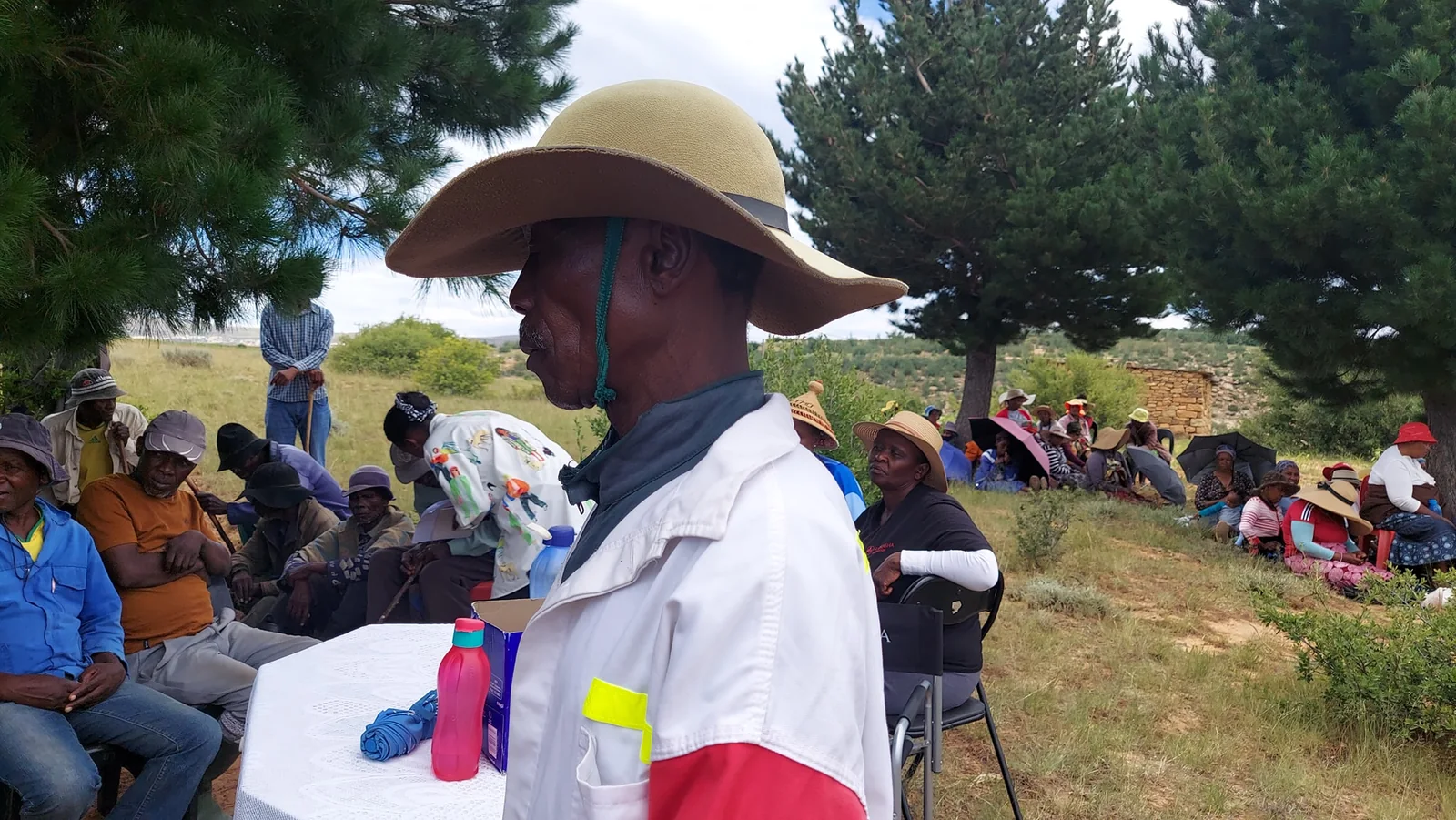
The initiative combined partnership-building with the LMPS, LDF, chiefs, schools and community leaders; youth-led civic engagement; peer mentorship; community alert mechanisms; public radio discussion; and preparation for a trauma-informed Youth BootCamp and reintegration pathway.
Delivery adapted to local risk. In higher-risk settings, household visits and coded identifiers were safer than public mobilisation. Mentors enabled young people to participate without stigma, while chiefs and schools strengthened community legitimacy and reintegration planning.
The project adapted mobilisation to local risk, used discreet household engagement where necessary and avoided public labelling of young people. The proposed BootCamp model was intentionally trauma-informed and non-militarised, with reintegration and emotional readiness treated as core design concerns.
The initiative provides a credible foundation for future work combining youth leadership, violence prevention, psychosocial support, mentoring and accountable institutional partnership in communities affected by organised violence.
Institutional transparency: this initiative was led by CDSJ’s founder through a Resilience Fund Fellowship before CDSJ’s formal registration. Its documented methods, partnerships and learning now inform CDSJ’s programme development.
A 2025 youth-leadership initiative designed to help secondary-school graduates use the transition after LGCSE completion for civic learning, community service and early exposure to development pathways.
Students completing the Lesotho General Certificate of Secondary Education can face a long interval before university, training or employment. Without structured opportunity, that period can become one of disconnection from learning, community and future pathways.
The initiative reframed transition time as a platform for civic learning, community service and early exposure to development careers. Schools provided an organising base, community problems became practical learning material and mentors connected young people with wider institutions and possibilities.
Citizenship becomes meaningful when young people can practise it through responsibility, service and visible contribution.
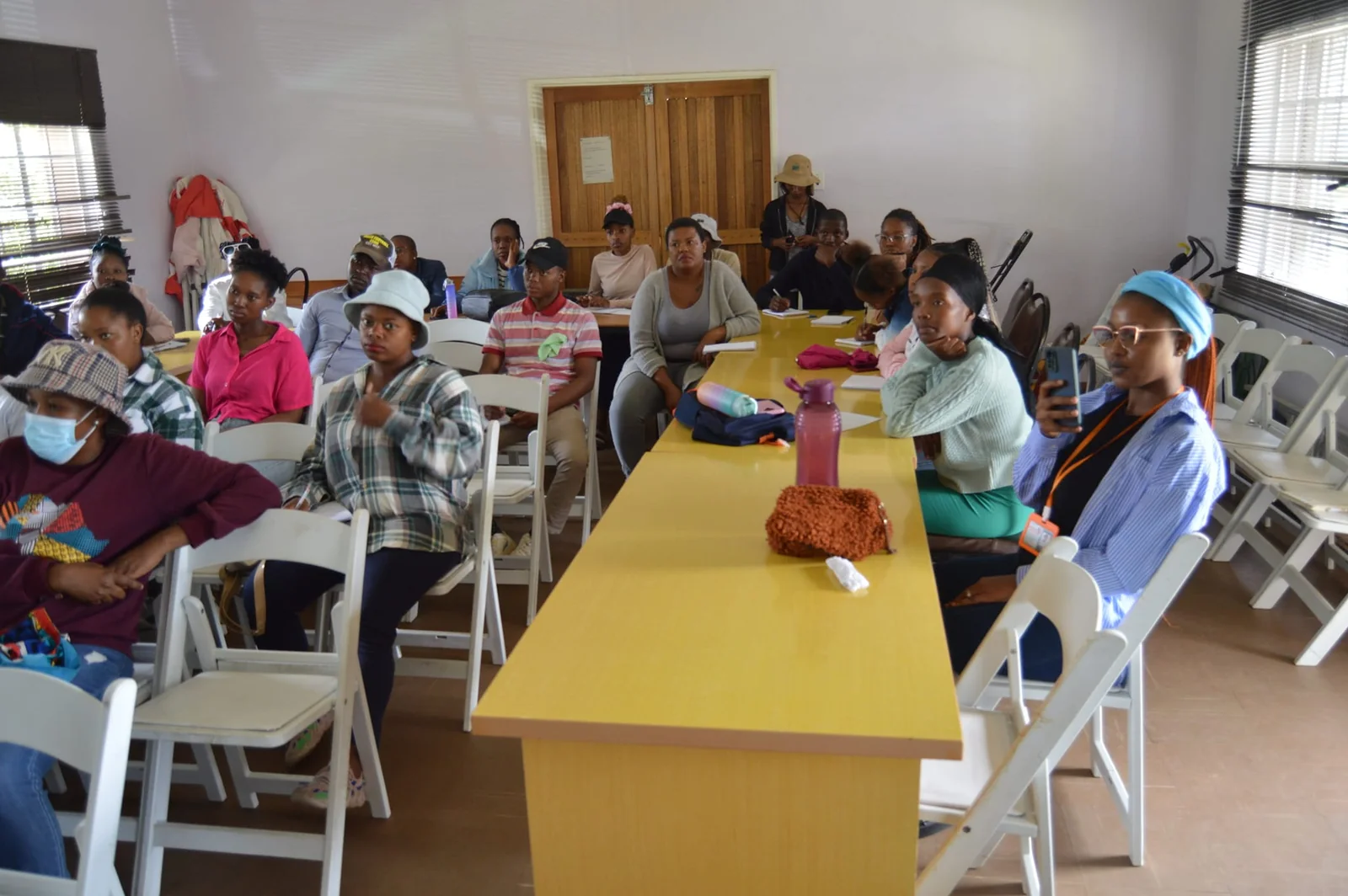
Seminars connected personal strengths, responsible citizenship, civic engagement and the practical meaning of public service.
Students diagnosed issues close to home and designed service responses with peers and local institutions.
Civil society, government, health and community actors offered guidance, pathways and supportive supervision.
The design combined leadership seminars, community-problem diagnosis, student-led service projects, mentor mapping, supportive supervision and practical monitoring. The curriculum covered civic engagement, teamwork, mobilisation, service design, resource mobilisation, project management and learning documentation.
The model remains relevant as a school-to-community transition pathway. Schools can provide continuity, mentors can sustain engagement and small service projects can turn civic responsibility from an abstract concept into visible action.
Future adaptation should apply clear supervision, child- and youth-safeguarding standards, appropriate consent, safe placement criteria and accessible grievance pathways for participants.
The model can be developed into a structured school-to-community transition programme combining youth leadership, volunteer placements, mentoring and small community-action projects. It offers a partnership opportunity across education, employability and locally led development.
Institutional transparency: this founder-led initiative took place before CDSJ’s formal registration. Available source documents describe the model and intended outcomes; this page therefore does not claim unverified participant or impact totals.
CDSJ welcomes funders, public institutions, research partners, technical specialists and civil-society organisations seeking credible ways to co-design, implement, learn from and responsibly grow people-centred work in Lesotho.