Household security
Help families manage risk, protect essential wellbeing and build a stronger base for future choices.
Economic empowerment is more than income. It is the capacity to make choices, withstand shocks, participate in markets and build a future without sacrificing dignity or safety.
People do not experience economic vulnerability as a single lack of money. It appears as interrupted education, insecure work, unpaid care, weak market access, climate pressure, unsafe migration, limited finance and difficult choices between today’s needs and tomorrow’s prospects.
CDSJ works across these connected realities. We combine practical livelihood pathways with financial capability, social protection, market relationships, climate resilience and stronger institutions so that households can move from recurring crisis toward greater security and choice.
Help families manage risk, protect essential wellbeing and build a stronger base for future choices.
Strengthen skills, confidence, finance and market participation so people can shape their own trajectories.
Work with institutions and partners on the barriers that keep opportunity unequal or difficult to sustain.
We link near-term livelihood opportunities with the relationships, institutional pathways and adaptive capacity people need to withstand shocks and grow on fairer terms.
Begin with lived experience, local knowledge, risks and strengths.
Co-design practical responses with communities and capable partners.
Improve the people, pathways and institutions that must endure.
Use evidence and reflection to improve practice and shape fairer systems.
Our approach recognises that livelihoods are systems. Skills, finance, care responsibilities, climate, markets, protection and public policy all shape whether an opportunity can become a durable pathway.
Support practical skills, career exposure, entrepreneurship readiness, mentoring and connections that help young people and excluded adults move toward dignified work and productive activity.
Address the financial, social, care-related and safety barriers affecting women’s economic choices while strengthening leadership, enterprise and control over productive resources.
Connect immediate support with savings, capabilities, referrals, livelihood planning and institutional pathways that can help households progress beyond repeated crisis.
Strengthen livelihood options that reflect Lesotho’s rural realities, climate pressures and the need for locally viable, environmentally responsible production and value chains.
Build financial capability, savings and lending practice, enterprise support, market information and partnerships that allow viable activities to develop beyond subsistence.
Help communities and institutions anticipate, absorb and adapt to disruptions without forcing households into harmful coping strategies or reversing hard-won progress.
We prioritise people whose capability is too often underestimated and whose access to opportunity is constrained by geography, gender, age, disability, care responsibilities or recurring shocks.
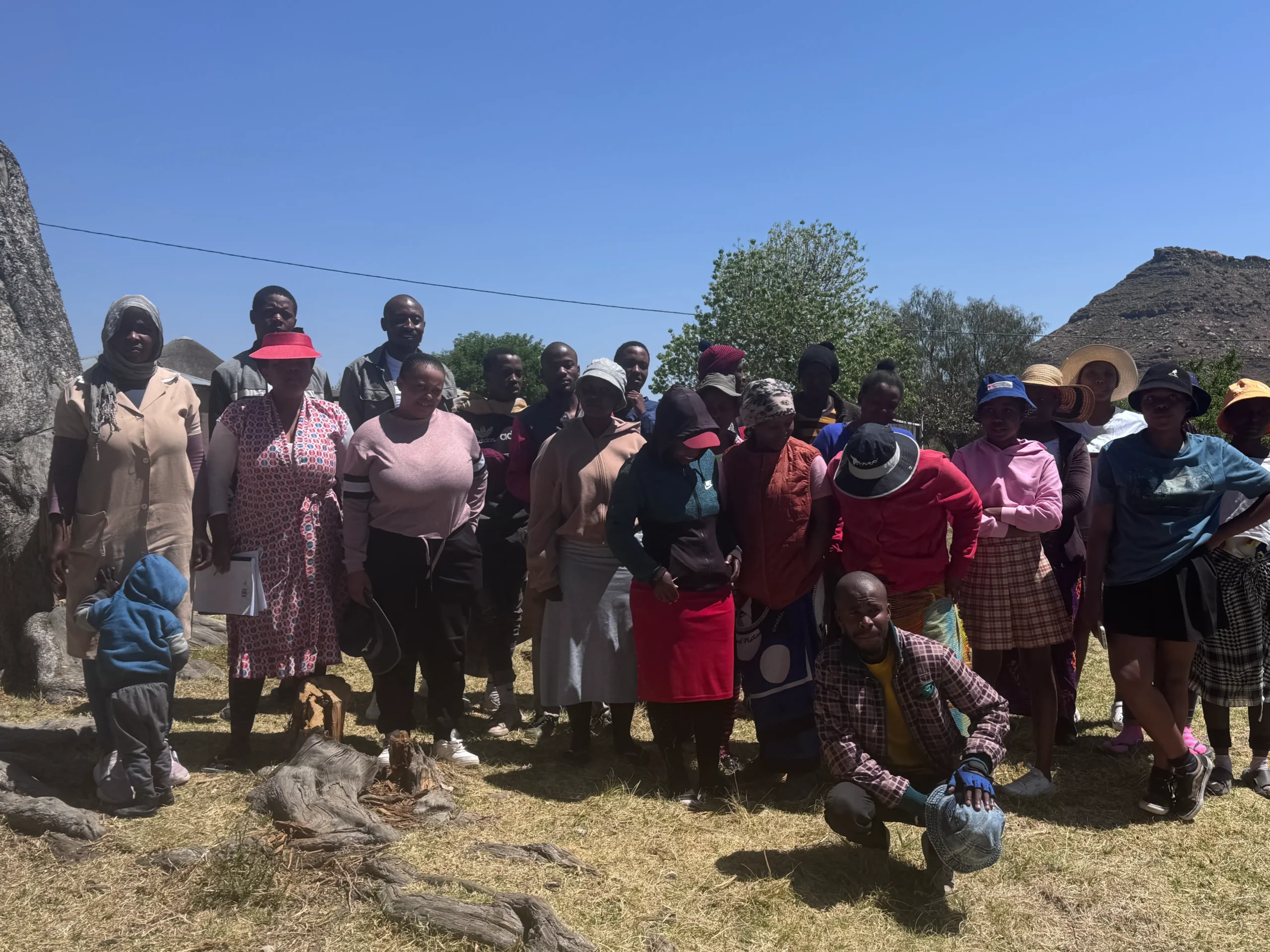
The project connects savings and livelihoods with school retention, protection, psychosocial wellbeing and legal support.
Explore this work →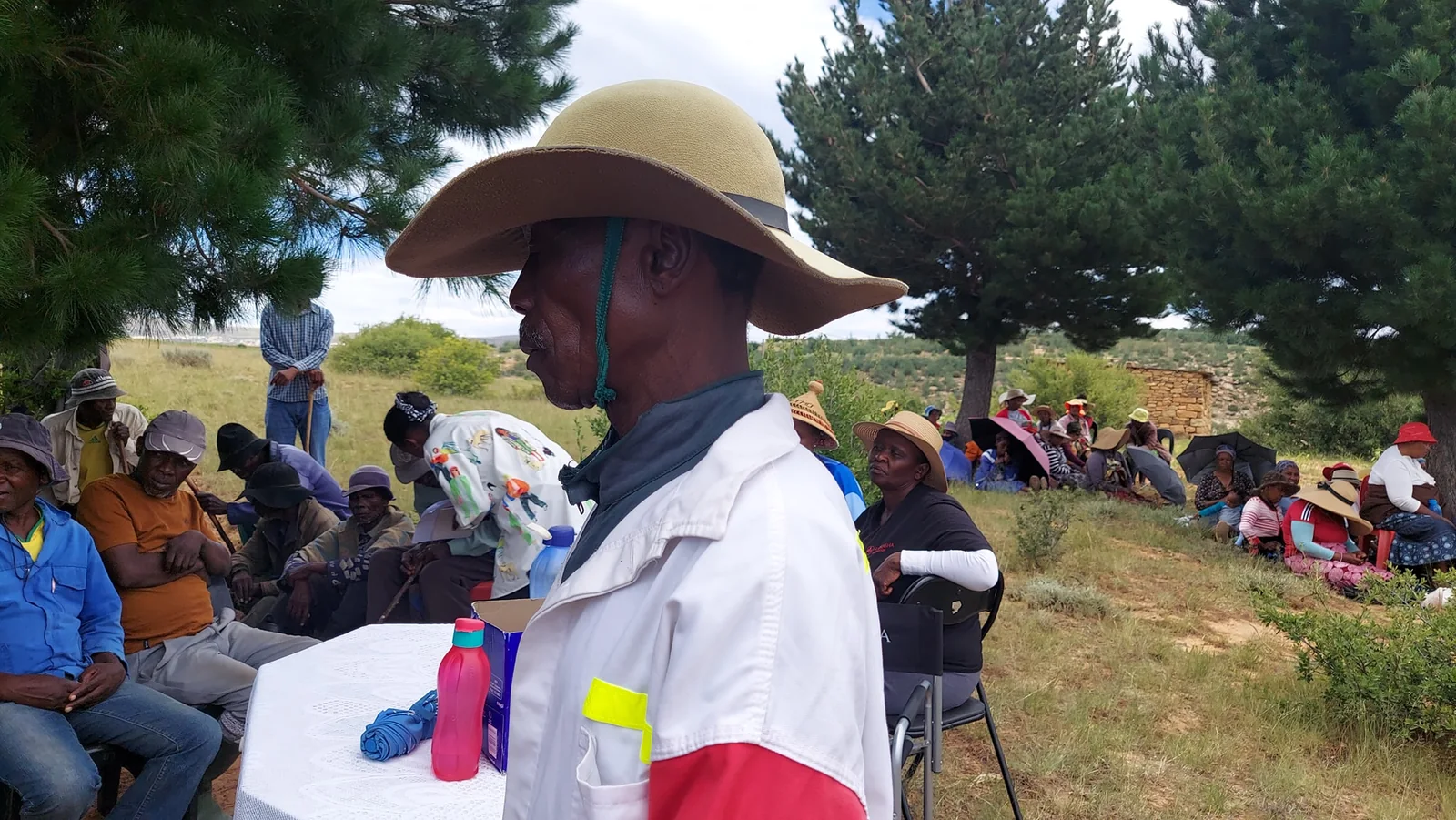
A prevention-led model connecting mentorship, opportunity, community resilience and safer pathways for young people.
Explore this work →We seek changes that outlast a training cycle—greater household resilience, safer and more equitable participation, stronger economic relationships and institutions better able to support progression.
Explore evidence & resources →CDSJ welcomes partners who want livelihoods work to be grounded, integrated and measurable—connecting household realities with market opportunity, inclusion and resilient local systems.
Co-design programmes that combine capability, mentorship, finance, market access and appropriate protection.
Create relationships that turn isolated support into functioning pathways for work, enterprise and resilience.
Develop and evaluate context-responsive models that can improve, adapt and scale responsibly.