Meaningful participation
Create informed, safe and accessible routes for communities to influence public decisions.
Governance becomes meaningful when people can participate, institutions listen and rights shape the ordinary decisions that affect safety, opportunity and public life.
People experience governance through the quality of the institutions they meet: whether information is accessible, participation influences decisions, complaints receive a response, services are fair and those with less power can speak without intimidation.
CDSJ connects civic participation, gender equality and human rights because they are inseparable in practice. We strengthen community voice while working with institutions, evidence and coalitions to create more inclusive, transparent and accountable systems.
Create informed, safe and accessible routes for communities to influence public decisions.
Make visible how institutions and social norms distribute voice, risk, opportunity and leadership.
Strengthen the mechanisms, evidence and relationships through which public systems answer to people.
We bring community realities into dialogue with institutions and reform processes, so participation can shape decisions and human rights can be recognised through practical, responsive public systems.
Begin with lived experience, local knowledge, risks and strengths.
Co-design practical responses with communities and capable partners.
Improve the people, pathways and institutions that must endure.
Use evidence and reflection to improve practice and shape fairer systems.
This pillar moves across civic space, gendered participation, rights awareness and institutional reform. The work can begin in a community dialogue and continue through evidence, coalition action and policy influence.
Strengthen the knowledge, confidence, organising space and practical channels communities need to shape decisions that affect them—especially where geography or social position limits influence.
Advance women’s meaningful leadership and address institutional practices, social norms and safety barriers that prevent equal participation in public life.
Translate rights into understandable tools that help people recognise injustice, make informed choices and connect with credible routes to protection or redress.
Support accessible information, community feedback, oversight and institutional practices that make public decisions easier to understand and institutions more answerable.
Work with public and civil-society institutions to strengthen policies, professional practice, safeguards and systems that affect how people experience authority.
Address threats, exclusion, online harm and other barriers that prevent journalists, advocates, women, young people and marginalised groups from participating freely and safely.
Generate and translate grounded evidence, convene diverse actors and support coordinated advocacy capable of influencing institutional and policy change.
Inclusive governance is not achieved by inviting everyone into the same room. It requires deliberate attention to the barriers that determine who can enter, speak, influence and remain safe.
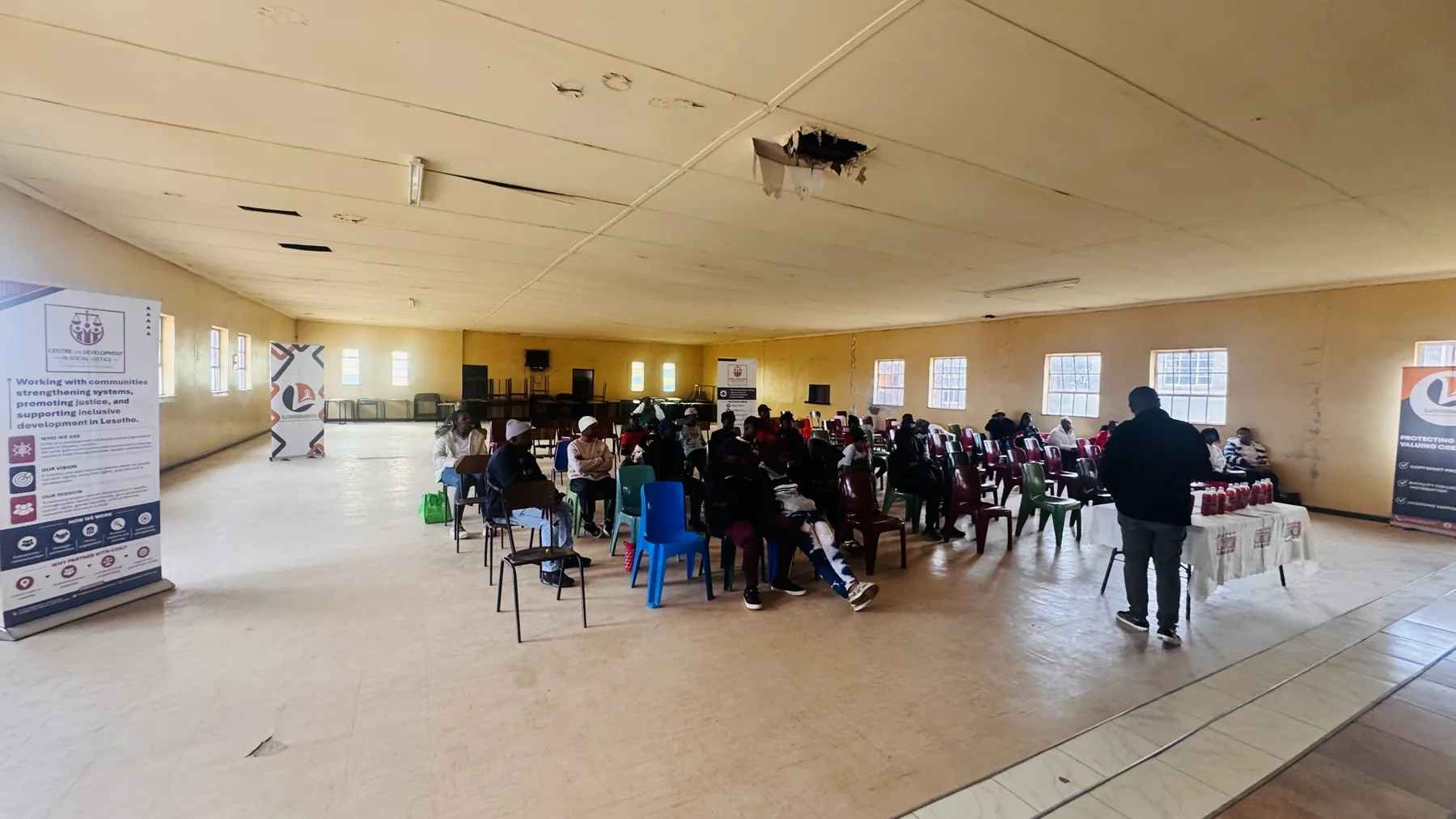
CDSJ supported the Ministry of Gender to connect GBV prevention, equality and youth participation in an accessible local forum.
Explore this work →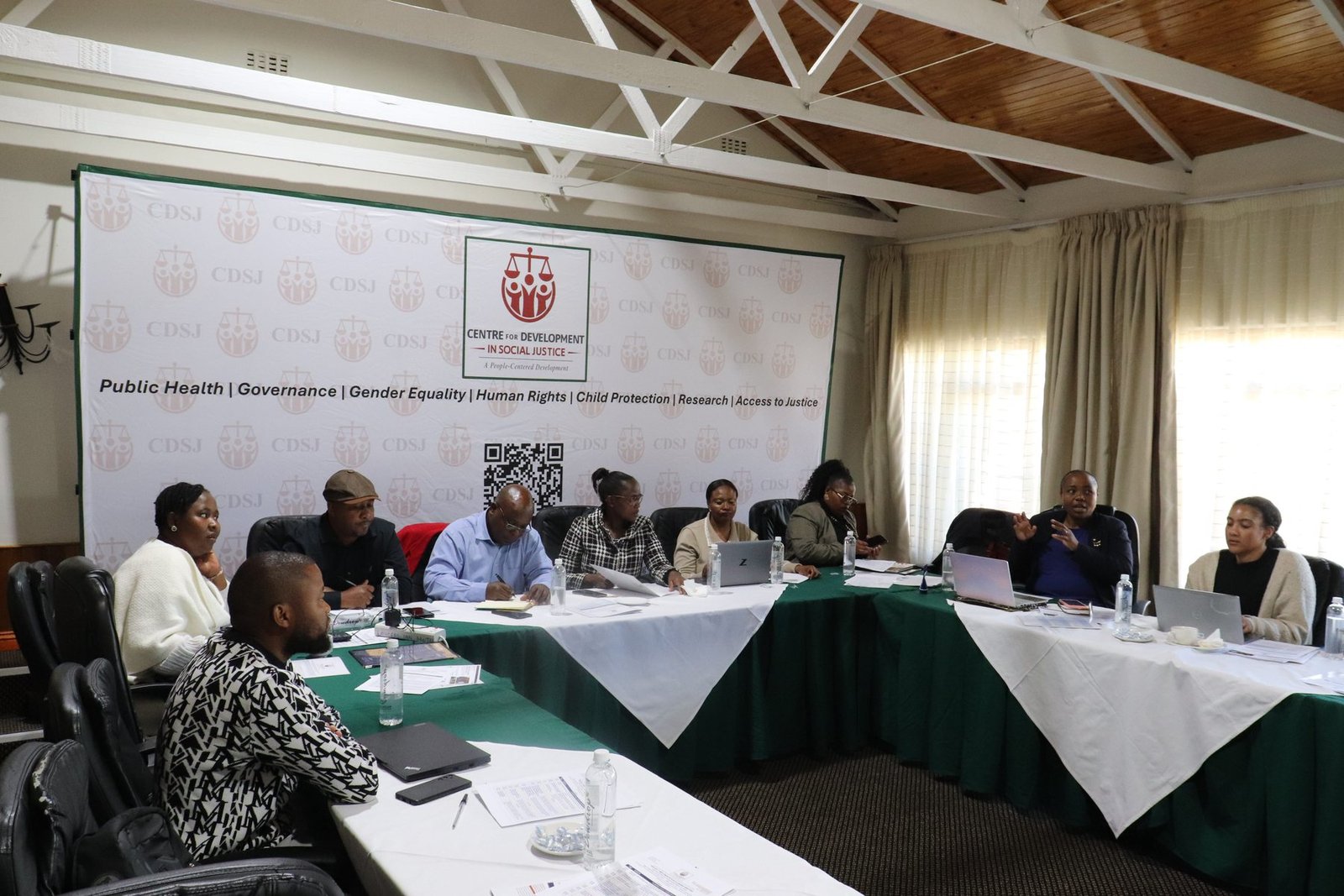
A digital civic-participation initiative designed to make community priorities visible and improve the response loop between people and institutions.
Explore this work →We aim to contribute to a healthier relationship between citizens and institutions: informed participation, fairer representation, stronger public accountability and evidence capable of moving reform.
Explore evidence & resources →We partner with public institutions, funders, civil-society organisations, research bodies and civic actors committed to participation that is substantive, inclusive and capable of improving public systems.
Build accessible platforms, leadership and feedback pathways that let people shape—not only attend—public processes.
Strengthen governance systems, safeguards, accountability mechanisms and gender-responsive public leadership.
Translate community realities into credible research, public dialogue and coordinated reform agendas.