Useful evidence
Start with the decisions people need to make, then design proportionate research and monitoring around them.
Evidence matters when it changes a decision. CDSJ makes research and learning part of implementation so organisations can stay curious, accountable and responsive to the people they serve.
Too often, monitoring records activity without explaining change, research arrives after a decision has been made, and community feedback is collected without closing the loop. The result may be information—but not organisational learning.
CDSJ builds evidence into programmes from the beginning. We connect clear questions, useful indicators, ethical inquiry, community voice and structured reflection so teams can improve implementation, communicate honestly and make stronger decisions.
Start with the decisions people need to make, then design proportionate research and monitoring around them.
Create regular spaces where evidence, field experience and community feedback lead to visible adaptation.
Treat communities as knowledge holders and close the feedback loop so participation has consequence.
We help programmes move beyond compliance reporting toward a living evidence culture—one that tests assumptions, notices exclusion, learns from complexity and makes improvement part of everyday management.
Begin with lived experience, local knowledge, risks and strengths.
Co-design practical responses with communities and capable partners.
Improve the people, pathways and institutions that must endure.
Use evidence and reflection to improve practice and shape fairer systems.
The pillar supports CDSJ’s own portfolio and offers research, evaluation, learning and technical-assistance partnerships to institutions and programmes that want evidence to be credible, practical and used.
Develop theories of change, results frameworks, indicators, tools and routines that show reach, quality, inclusion and progress—not only whether an activity happened.
Produce grounded studies, policy briefs, rapid analyses and learning inquiries shaped around real public-interest questions and the decisions facing communities or institutions.
Facilitate learning cycles, after-action reflection and evidence reviews that help teams test assumptions, respond to emerging realities and document why programme choices change.
Undertake or support evaluations that examine contribution, relevance, effectiveness, equity and prospects for lasting change with methods proportionate to the programme.
Turn findings into clear narratives, briefs, dashboards, dialogue and recommendations that different audiences can understand and use.
Design ethical, accessible ways for communities to shape questions, interpret findings, assess service or programme quality and see how their input informed action.
Strengthen documentation, knowledge management, staff capability and internal routines so valuable learning is retained and can guide future work.
Good evidence is not only technically sound; it is attentive to power. CDSJ asks whose experience is visible, who defined the question, who interprets the result and who benefits from the decision.
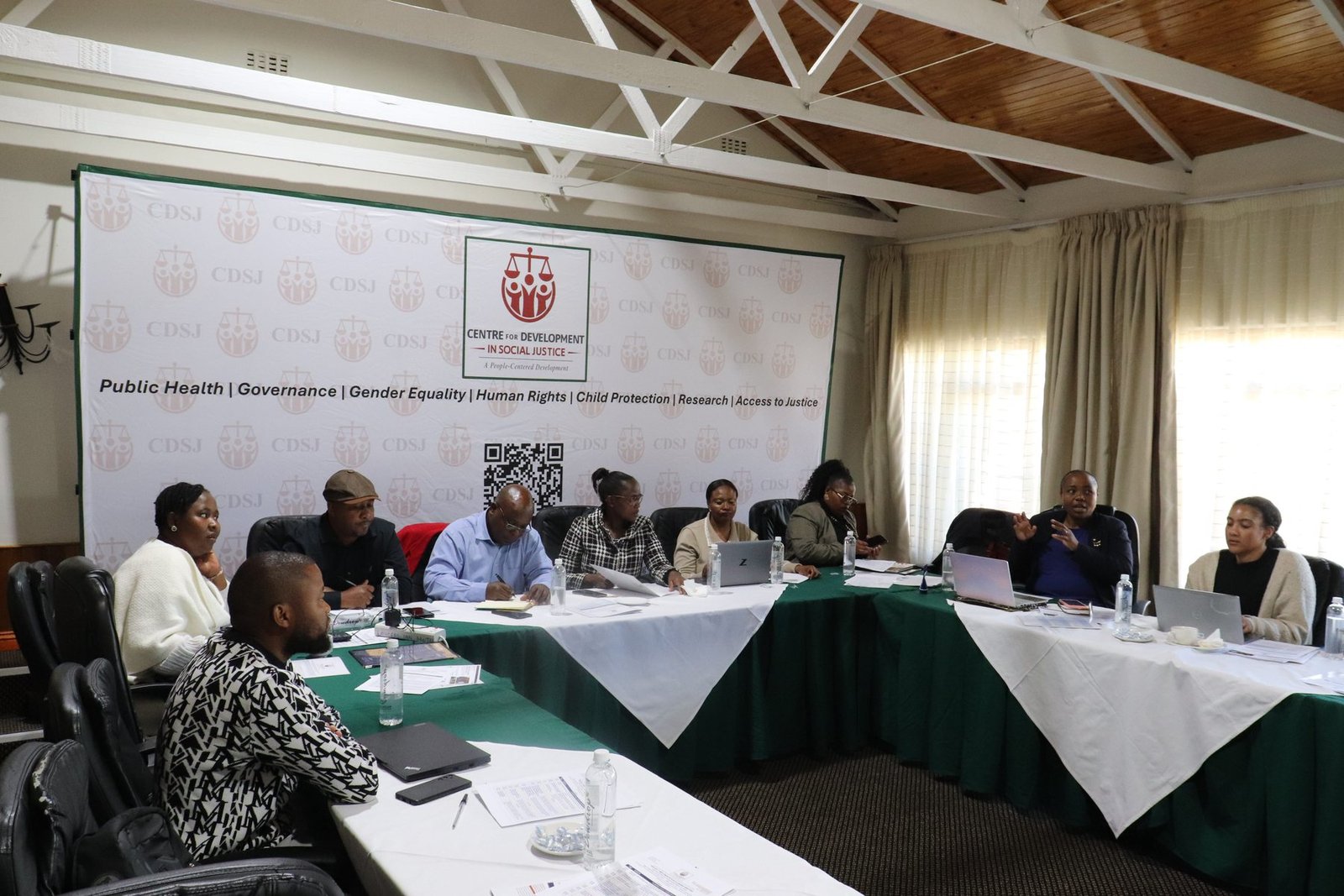
CDSJ translated legal and lived-experience analysis into a structured planning process with justice-sector and civil-society actors.
Explore this work →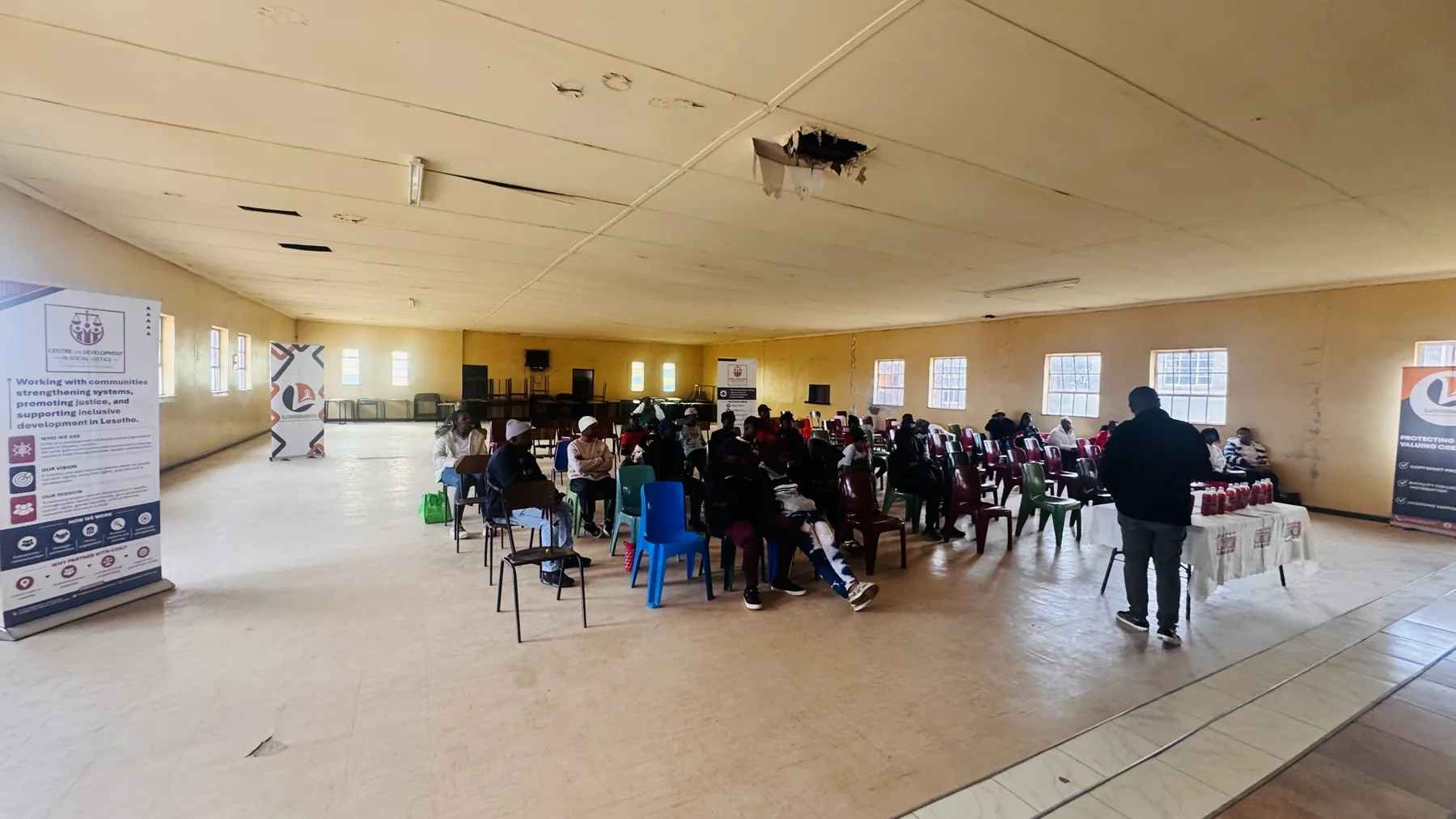
A digital model intended to organise community priorities, visualise response patterns and strengthen the feedback loop with institutions.
Explore this work →Our intended result is not a larger archive. It is sharper implementation, credible accountability and evidence that moves between communities, practitioners, institutions and public debate.
Explore evidence & resources →CDSJ partners with organisations that need more than a reporting framework: a practical learning architecture capable of improving delivery, demonstrating value and informing wider change.
Build proportionate frameworks, tools, questions and learning routines around the decisions that matter.
Produce ethical, context-aware evidence with clear pathways into programme, institutional and policy use.
Strengthen staff capability, reflection, knowledge management and feedback systems that continue beyond one assignment.