Community confidence
Practical health knowledge, prevention and trusted community pathways that help people act early.
Health is not only the absence of illness. It is the ability to live with dignity, reach trusted care, understand one’s choices and shape the systems that determine wellbeing.
In Lesotho, geography, household income, gender, age, disability, information and trust all influence whether a person can prevent illness, seek care early and remain supported. A technically available service is not truly accessible if distance, cost, stigma or weak referral pathways keep people away.
CDSJ therefore treats public health as a social-justice challenge. We connect community knowledge and prevention with stronger frontline practice, accountable health systems and evidence that can guide better decisions.
Practical health knowledge, prevention and trusted community pathways that help people act early.
Stronger referral relationships and people-centred frontline practice shaped by dignity and inclusion.
Community feedback, useful evidence and institutional learning that improve how systems perform.
Our ambition is equitable, community-responsive health: immediate prevention and access linked to the systems, evidence and public accountability needed for lasting improvement.
Begin with lived experience, local knowledge, risks and strengths.
Co-design practical responses with communities and capable partners.
Improve the people, pathways and institutions that must endure.
Use evidence and reflection to improve practice and shape fairer systems.
The pillar can support focused interventions or integrated programmes. Each workstream is designed to connect practical community benefit with stronger systems.
Strengthen health literacy, community outreach, referral pathways and the practical links between households, community actors and frontline services—particularly where distance or exclusion makes access difficult.
Support prevention, treatment literacy, retention, stigma reduction and community accountability in ways that recognise the social and economic conditions affecting HIV and TB outcomes.
Advance accurate information, respectful services, informed choice and stronger referral pathways for women, adolescents and young people, including the intersections with gender inequality and violence.
Make often-overlooked health concerns more visible through community education, supportive conversations, early help-seeking and referral links that reduce silence and stigma.
Strengthen trusted communication and locally relevant prevention while helping communities and institutions prepare for outbreaks, service interruptions and other health shocks.
Create practical channels for community voice, feedback and evidence to improve service quality, institutional responsiveness and public-health decision-making.
Integrate the health effects of climate, food insecurity, displacement and economic shocks into programme design so that vulnerable households are not left behind when risk compounds.
Universal systems become more effective when they are deliberately designed around people who experience the strongest barriers. CDSJ centres voice, access, safety and agency—not vulnerability as a permanent label.
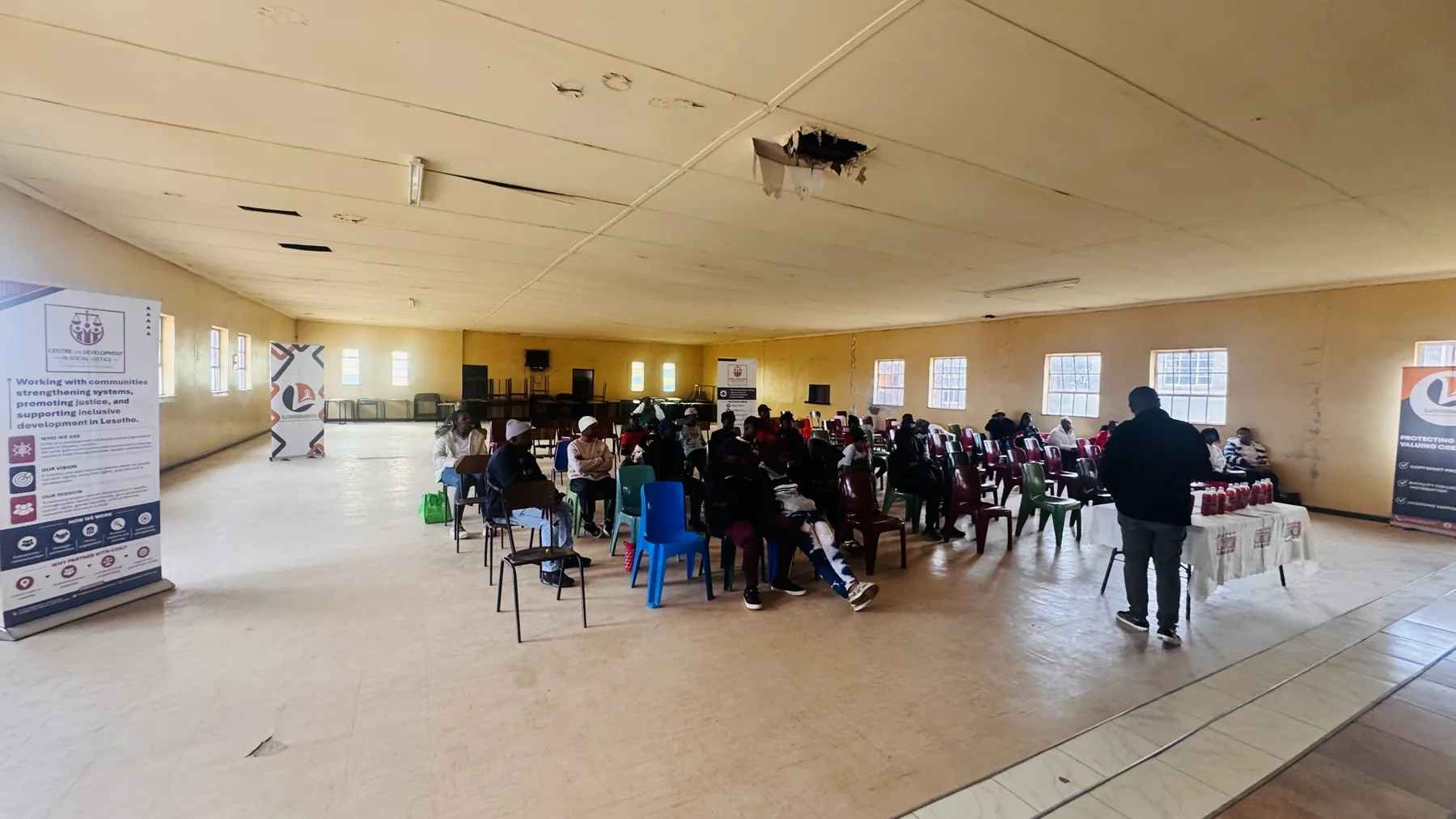
Community dialogue links knowledge, agency, healthy relationships and safer choices.
Explore this work →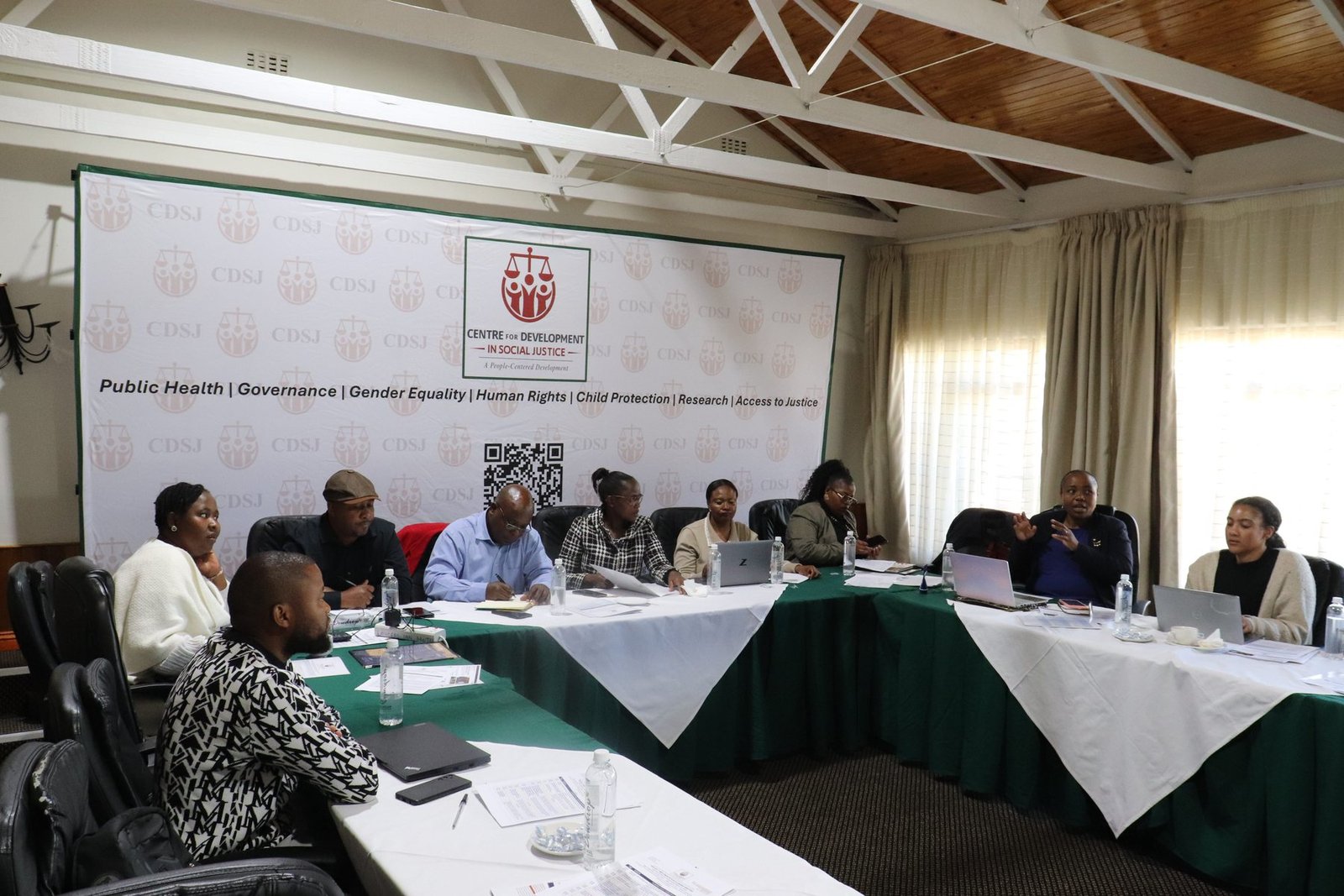
Integrated planning helps survivors encounter coordinated support rather than fragmented systems.
Explore this work →CDSJ contributes to public-health change at several levels: what people know and can do, how services respond, how institutions hear communities, and how evidence improves policy and practice.
Explore evidence & resources →We welcome health institutions, funders, researchers, community organisations and technical partners seeking locally led work that connects prevention, access, accountability and system resilience.
Develop health interventions around the lived barriers, trusted actors and referral realities of specific communities.
Support community engagement, prevention, frontline practice, referral strengthening and health-system learning.
Build monitoring, participatory research and community-feedback systems that turn implementation into better decisions.