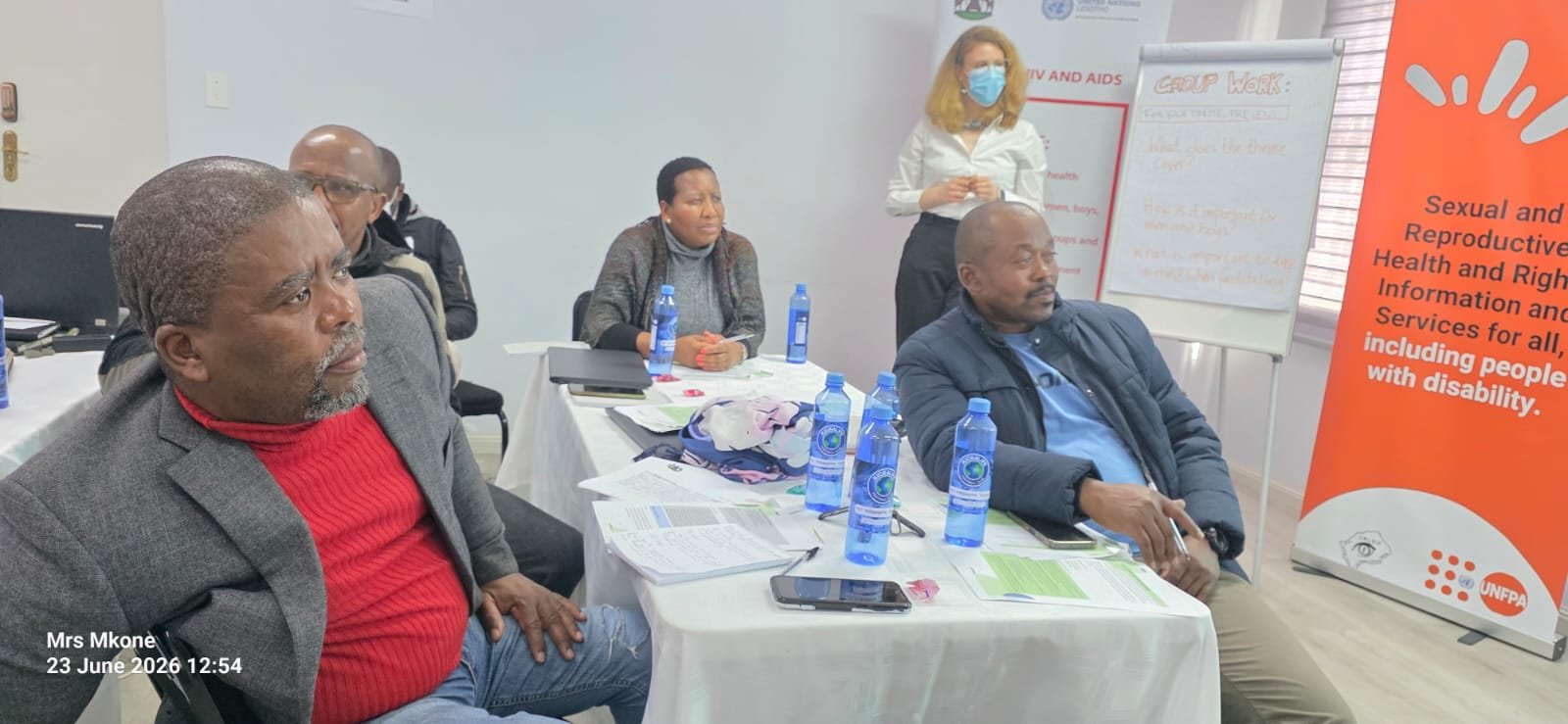
CDSJ joined the Second National Male Engagement Forum Meeting and Training of Trainers to strengthen coordinated, accountable work with men and boys in preventing gender-based violence and advancing gender equality in Lesotho.
The Centre for Development in Social Justice (CDSJ) participated in the Second National Male Engagement Forum Meeting and Male Engagement Training of Trainers, held from 22 to 24 June 2026 at Kick for Life in Maseru. The activity was convened by the Ministry of Gender, Youth and Social Development, Recreation and Sports in partnership with UNFPA.
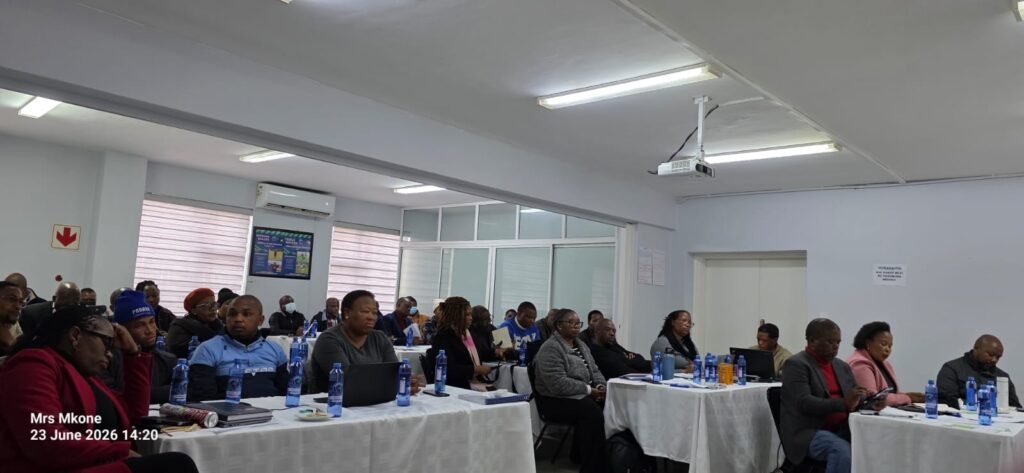
The three-day engagement brought together stakeholders from government, civil society, community structures and development partners. It provided a national space for coordination, exchange of practical experience and capacity strengthening around the role of men and boys in preventing and responding to gender-based violence (GBV).
Why meaningful male engagement matters
Ending GBV requires strong services, protection and justice for survivors. It also requires prevention: sustained work with the people, relationships and institutions through which ideas about gender, power, authority and masculinity are learned and reinforced.
Men and boys are not a single or uniform group, and male engagement should not treat them as such. Effective programmes create space to examine how social expectations around manhood can encourage control, silence, emotional isolation, unequal decision-making and the normalisation of violence. They also help participants identify positive alternatives grounded in respect, non-violence, care, shared responsibility and equality.
Accountability must remain central
Male engagement is not about moving attention or resources away from women and girls, excusing harmful behaviour or presenting men as the “solution” to women’s rights. It should support men and boys to recognise unequal power, take responsibility for their conduct and act as accountable partners within a wider gender-justice and survivor-centred agenda.
Building facilitators who can support change
The Training of Trainers strengthened participants’ understanding of male-engagement approaches, facilitation methods, community mobilisation and practical strategies for working with men and boys. This kind of training is important because sensitive conversations about violence, relationships, sexuality, fatherhood and power require more than a prepared presentation. Facilitators must be able to build trust, encourage reflection, challenge harmful statements without closing down dialogue and recognise when a participant needs specialised support or referral.
Well-prepared facilitators can help groups move beyond abstract agreement that violence is wrong. They can guide discussion towards the everyday choices through which equality is practised: how decisions are made in households, how conflict is handled, how care work is shared, how peers respond to harmful behaviour and how men use their influence in families, workplaces, community structures and institutions.
Positive masculinities
Support healthier ways of expressing identity, strength and leadership that do not depend on dominance or violence.
Shared responsibility
Promote equal participation in caregiving, household decisions, sexual and reproductive health and community wellbeing.
Violence prevention
Help men and boys recognise harmful behaviour early, challenge peer norms and contribute to safer relationships and communities.
Community accountability
Connect personal reflection to responsibility within families, traditional structures, institutions and public life.
From a national forum to community practice
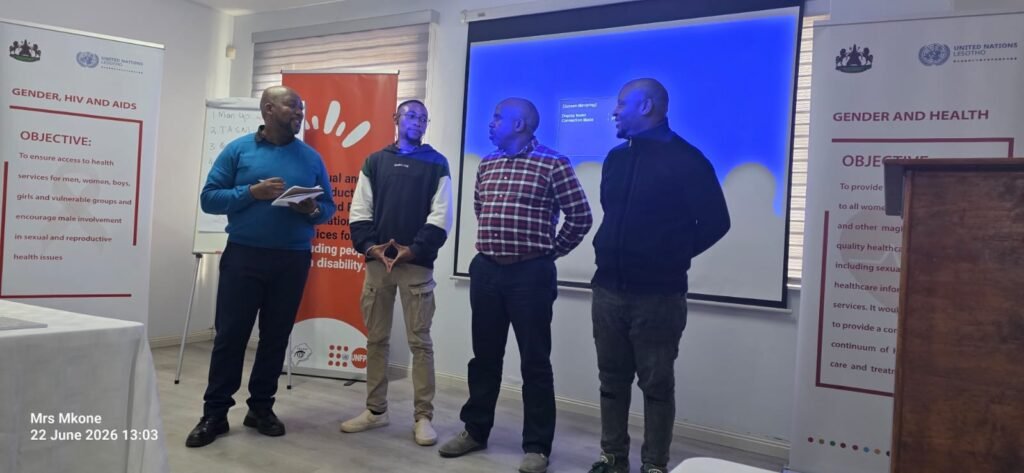
A national coordination platform helps organisations compare approaches, identify gaps and avoid isolated interventions. It can also strengthen common standards so that community programmes are rights-based, culturally grounded and connected to appropriate services.
For CDSJ, the value of the Forum lies in how national coordination informs practical work at community level. Dialogue with men and boys should be linked to broader efforts involving women’s rights organisations, survivor-support services, justice institutions, health services, community leadership and child-protection structures. Facilitators should know the limits of their role and understand available referral pathways when conversations reveal violence, risk or an immediate need for support.
Community engagement also needs continuity. A single workshop may introduce ideas, but transformation requires repeated reflection, visible role models, organisational support and opportunities for men to practise accountability over time. Monitoring should assess not only how many people attend, but whether attitudes, relationships and institutional practices begin to change.
CDSJ’s contribution to the male-engagement agenda
CDSJ’s participation reflects its commitment to integrating male engagement into work on gender equality, human rights, child protection and community accountability. The organisation’s approach recognises that harmful norms are sustained across generations and therefore require engagement with families, peers, community leaders and the institutions that influence social expectations.
CDSJ will continue supporting approaches that encourage non-violent relationships, responsible fatherhood, positive communication, shared decision-making and respect for the rights and dignity of women, girls and other vulnerable groups. This work also strengthens the organisation’s ability to design community initiatives that are informed by evidence and responsive to the lived realities of Basotho communities.
CDSJ’s perspective: men and boys must become accountable partners
Lesotho’s response to GBV needs coordinated action before, during and after violence occurs. Survivor-centred services and accountability for perpetrators remain essential; prevention must work alongside them by challenging the inequalities and social norms that allow violence to continue.
The National Male Engagement Forum provides an important opportunity to align institutions, strengthen facilitators and build a shared movement in which men and boys are supported to question harmful norms and take practical responsibility for advancing equality. The measure of success will be safer relationships, stronger community accountability and sustained respect for the rights of women and girls.
Leave a Reply