Tag: Human Rights

  • CDSJ, Ministry of Gender and MISA Strengthen Gender-Responsive Journalism in Lesotho

    CDSJ, Ministry of Gender and MISA Strengthen Gender-Responsive Journalism in Lesotho

    The Centre for Development in Social Justice (CDSJ) partnered with the Ministry of Gender, Youth and Social Development and the Media Institute of Southern Africa (MISA) Lesotho to strengthen male journalists’ understanding of gender equality, gender-based violence and responsible public-interest reporting. CDSJ led the training contribution on Gender-Responsive Budgeting and its practical application to gender-responsive reporting.

    Date9 September 2026
    VenueMinistry of Gender, Maseru
    PartnersMinistry of Gender, MISA Lesotho and CDSJ

    The one-day Male Journalists’ Workshop on Gender, Gender-Based Violence and Responsible Media Reporting brought emerging and practising media professionals into a structured conversation about the influence journalism has on public understanding, social norms and accountability in Lesotho.

    The workshop responded to a practical concern: a reporter may cover a case of violence, a government programme or a national budget without recognising how gender roles, unequal power, disability, location, poverty and access to information shape the experience behind the headline. When these dimensions are missed, reporting can unintentionally reinforce stereotypes, blame survivors or present an official allocation as proof that a public problem has been solved.
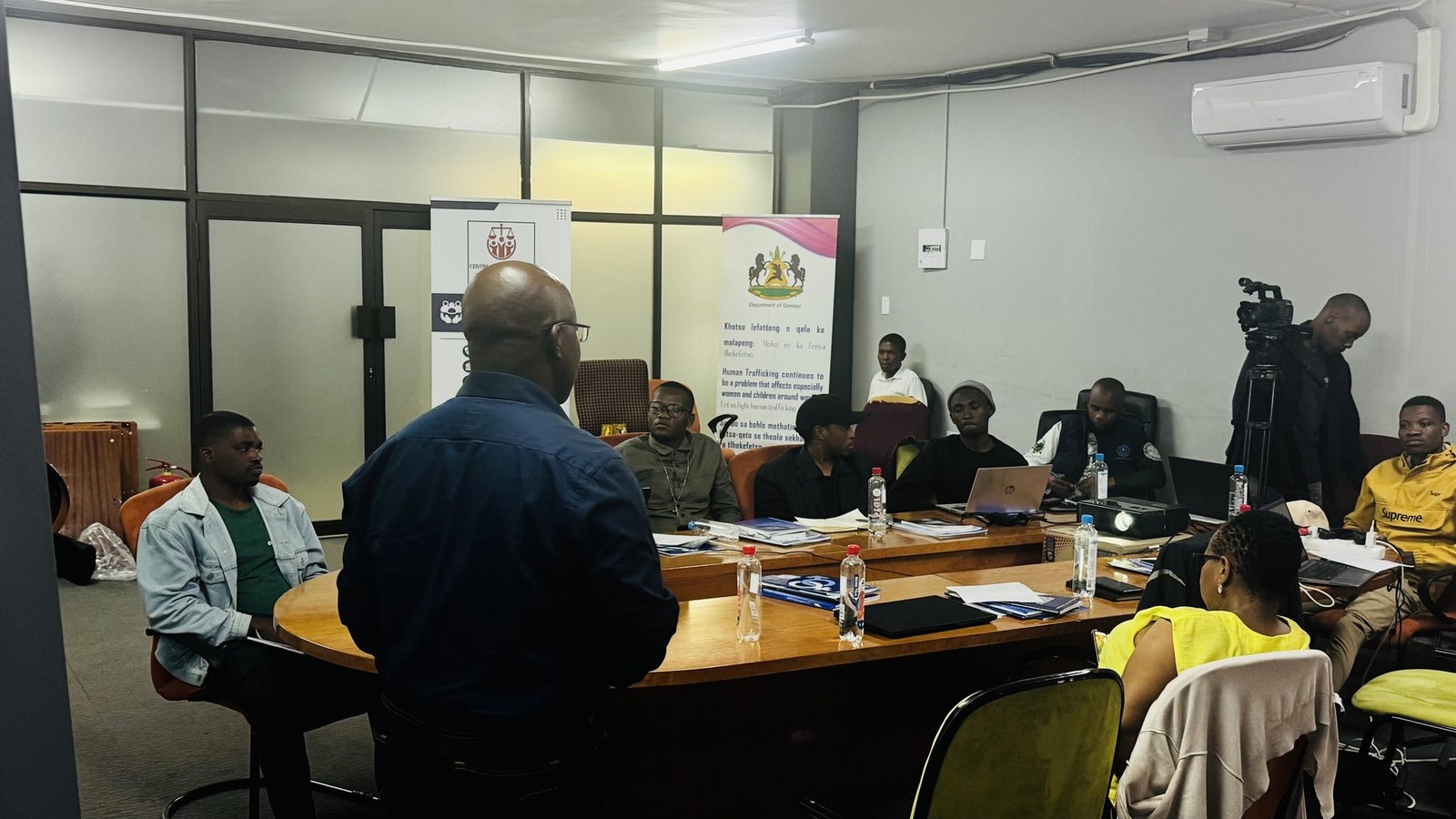
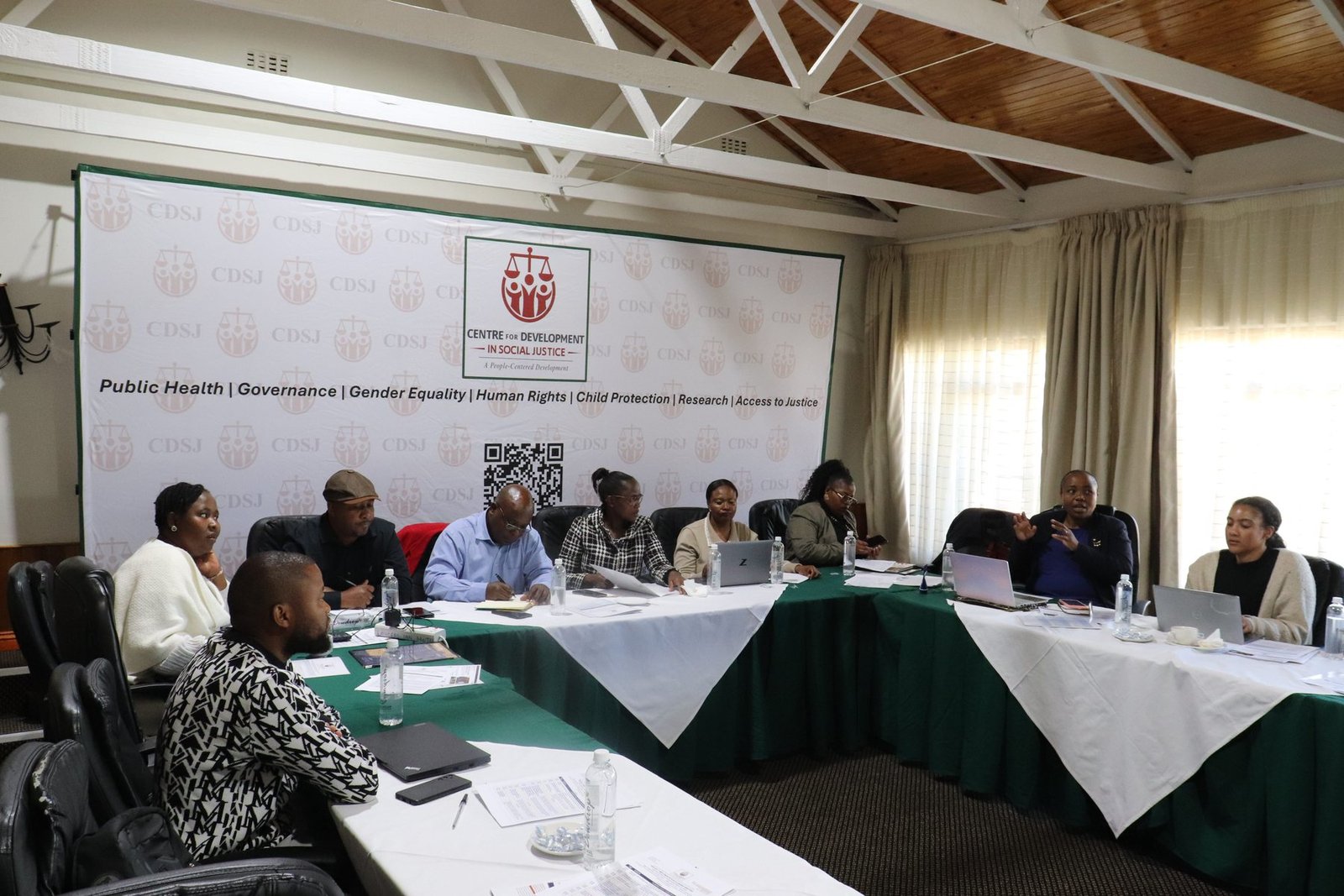
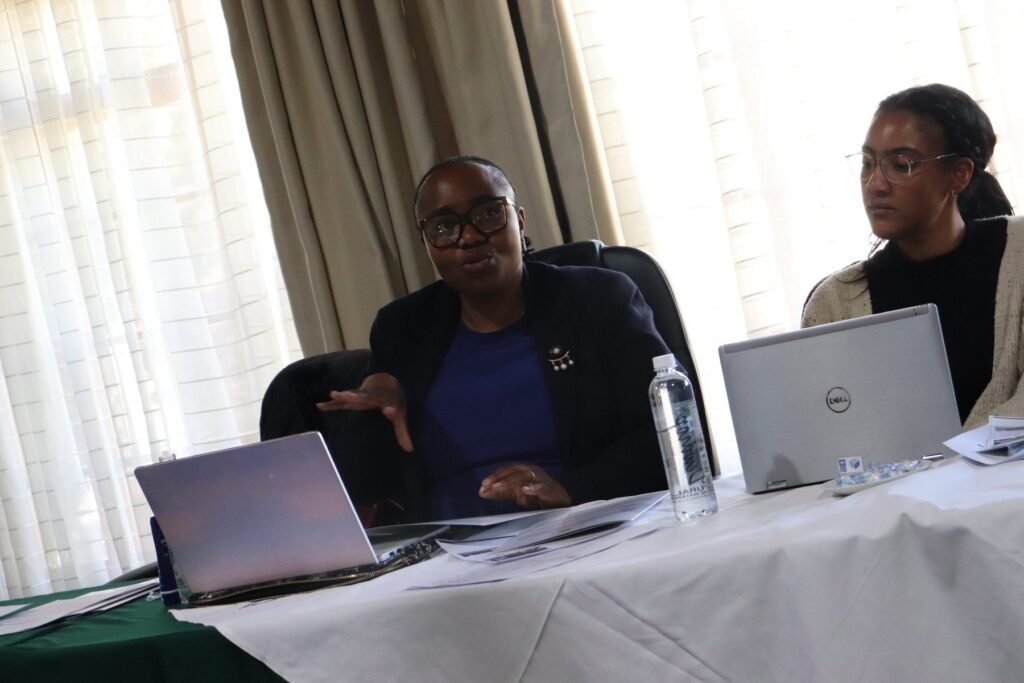
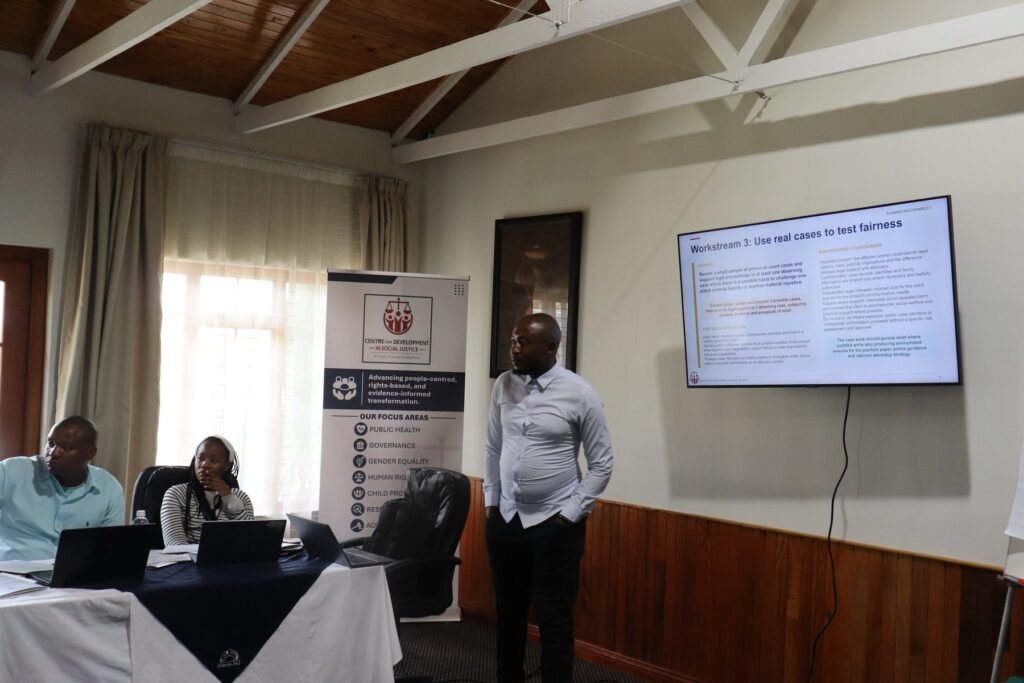
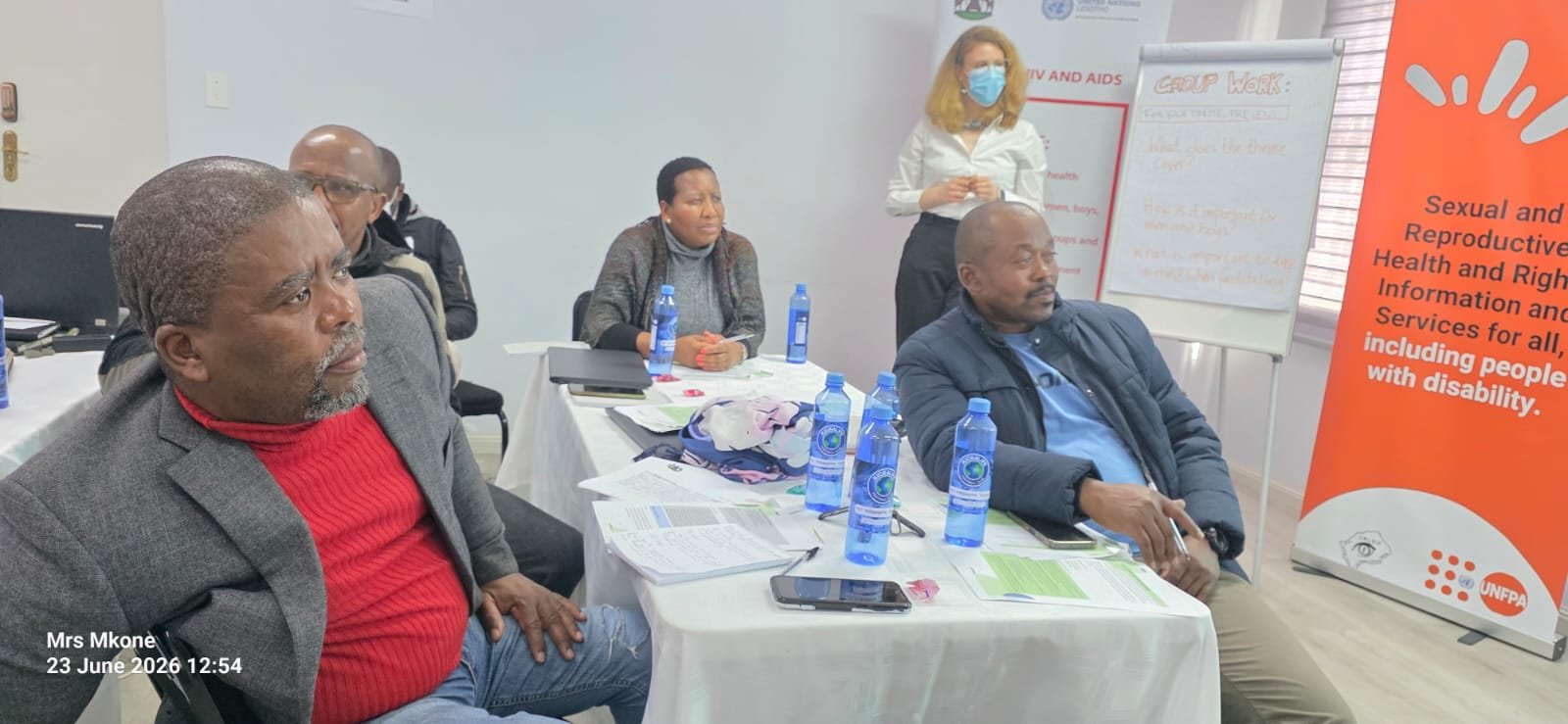
    CDSJ facilitator leading a Gender-Responsive Budgeting discussion with male journalists in Maseru
    CDSJ’s session connected public budgets with the lived realities journalists encounter in communities and public institutions.

    A shared investment in responsible journalism

    The Ministry of Gender convened the workshop as part of its work to strengthen gender mainstreaming, GBV prevention and coordination with the media. The programme introduced gender concepts, the forms and causes of GBV, positive masculinity, protection from sexual exploitation, abuse and harassment, and gender mainstreaming. It concluded with practical work on gender-responsive and ethical journalism, group reflection and participant commitments.

    This partnership recognised that journalists do more than record events. Choices about language, sources, images, headlines and context can either protect dignity and deepen public understanding or reproduce the same harmful norms that gender-equality work seeks to change. Male journalists therefore have an important role as informed reporters and as allies who can challenge victim-blaming, sensationalism and silence around violence.
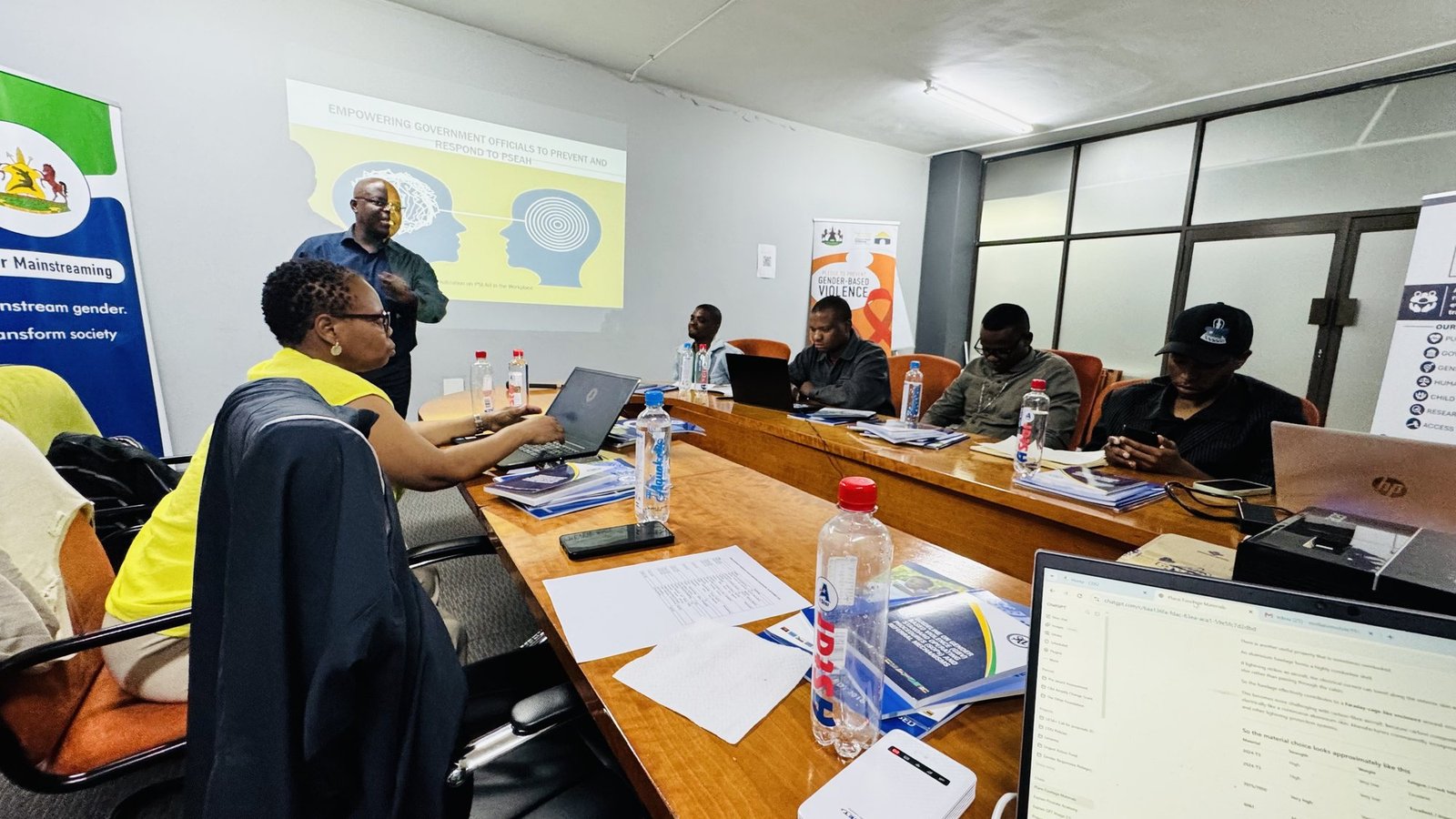
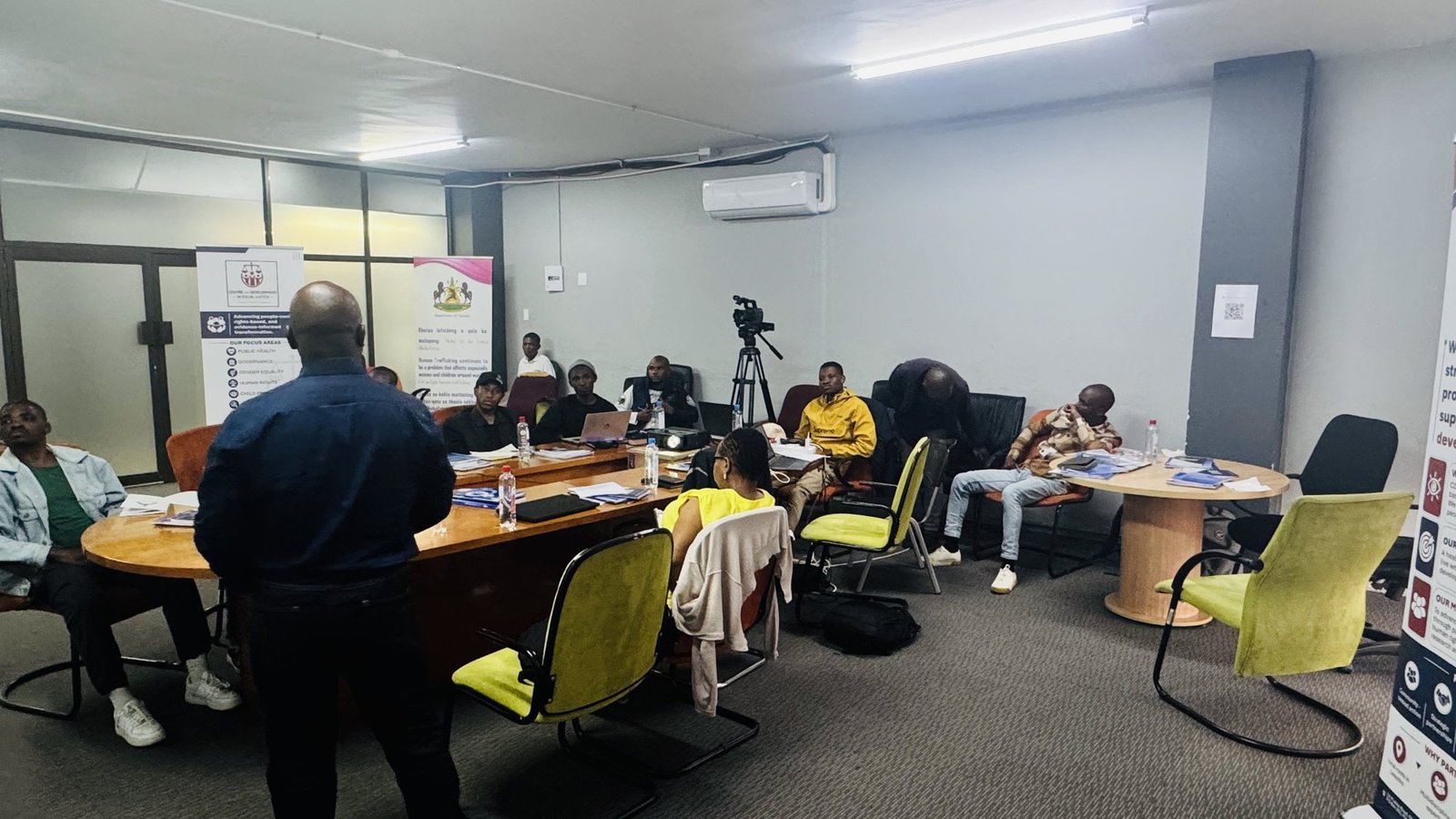
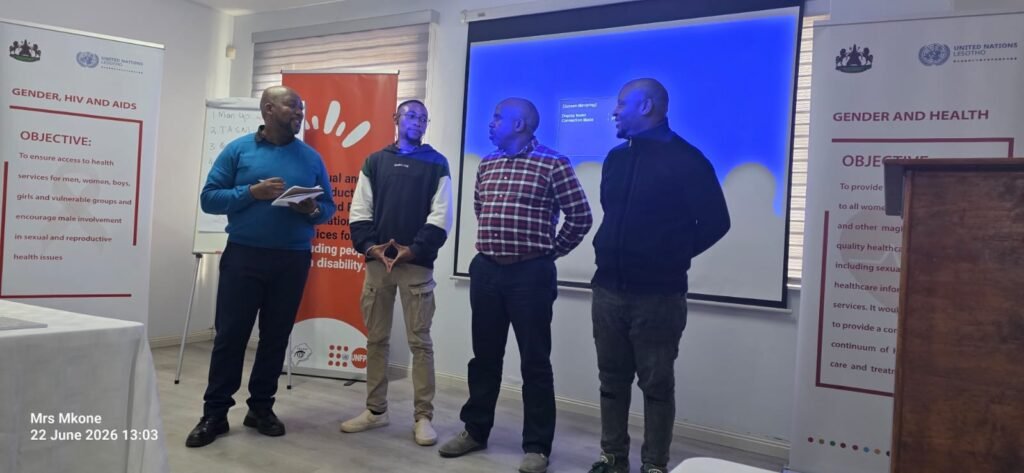
    A Ministry of Gender facilitator presenting to journalists during the gender and GBV workshop
    The programme built a common foundation in gender, GBV prevention and professional responsibility.
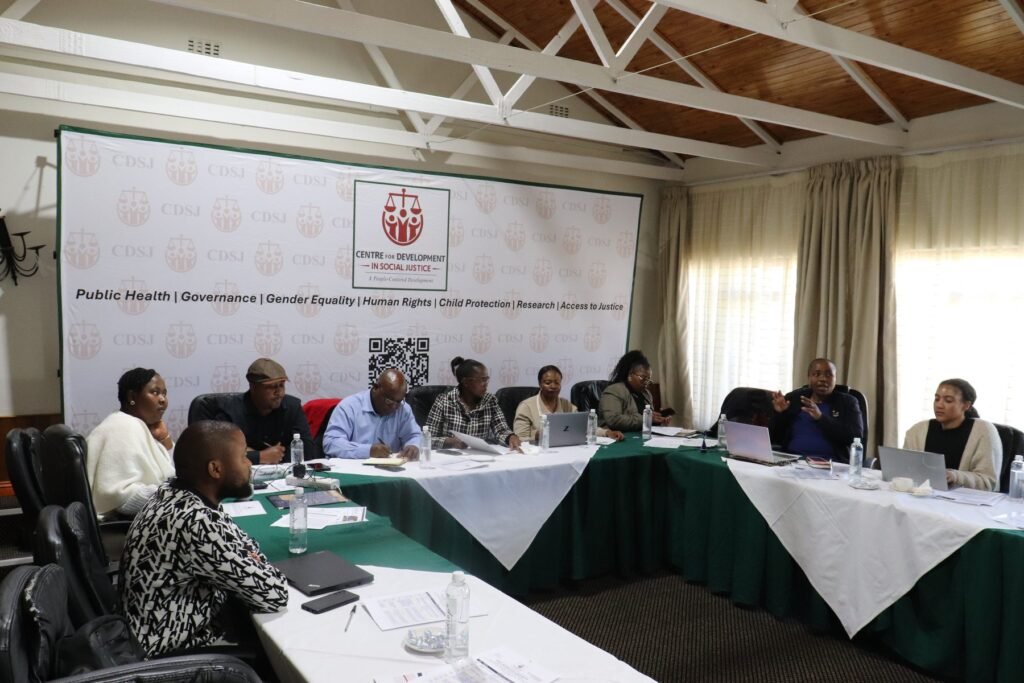
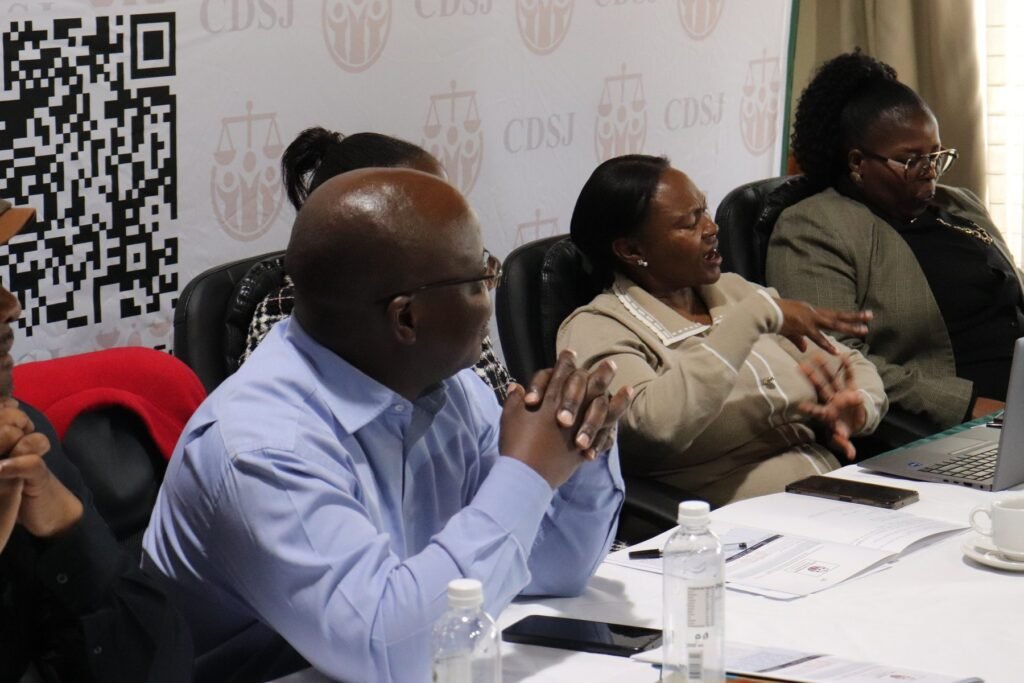
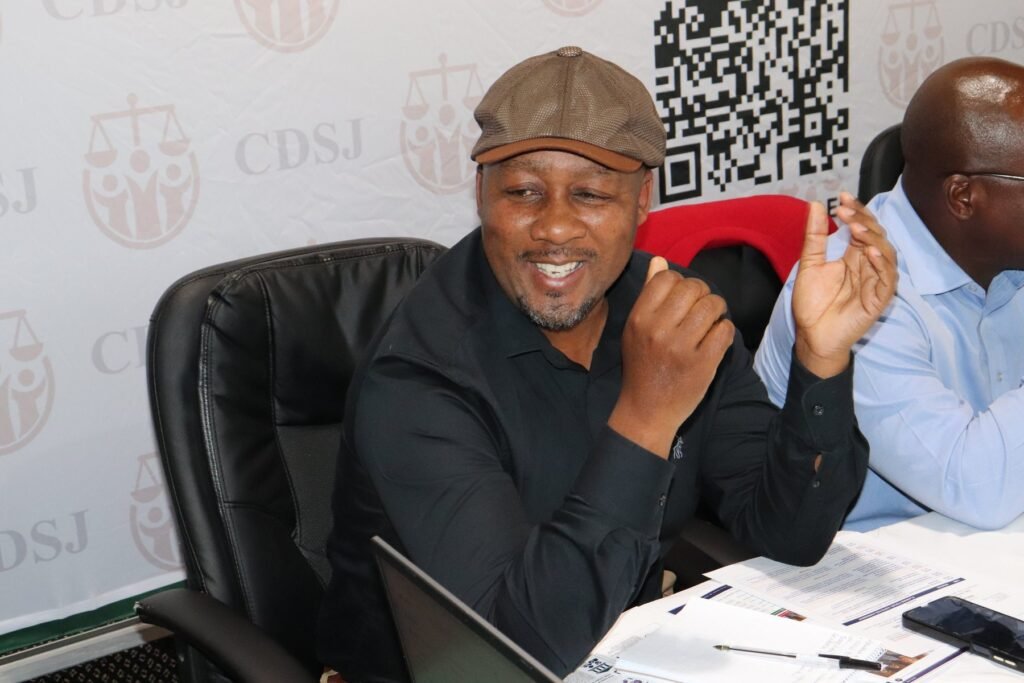
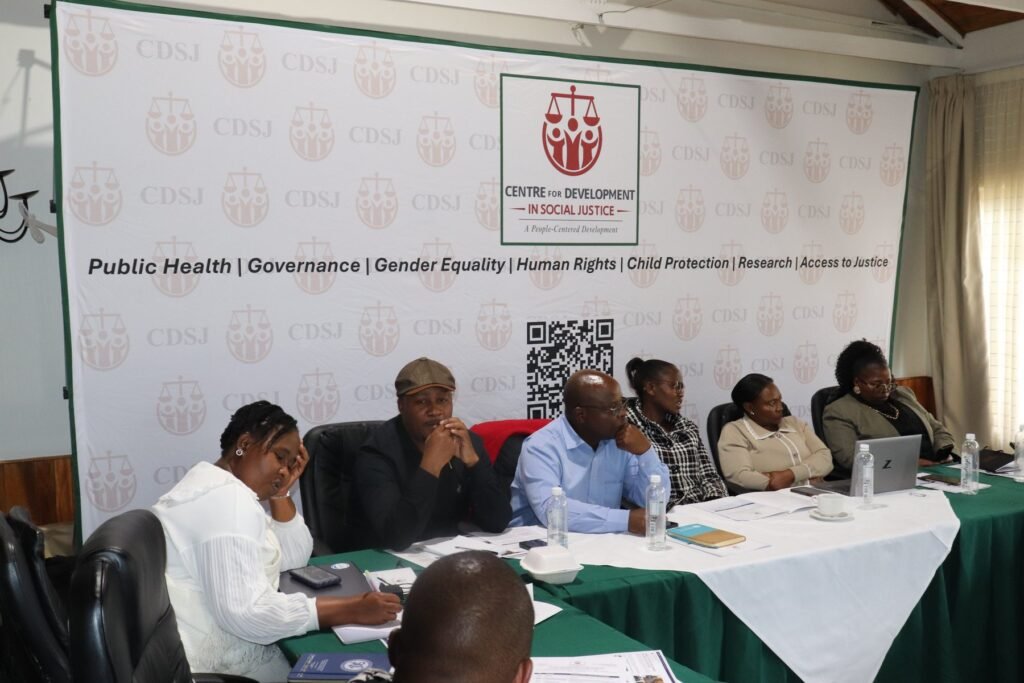
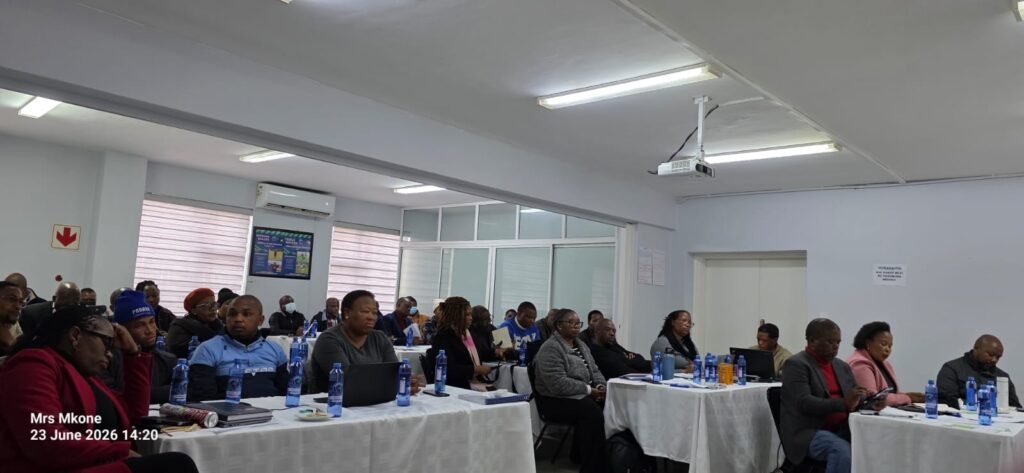
    Male journalists participating in the Ministry of Gender, MISA Lesotho and CDSJ training
    Participants examined how everyday editorial decisions can shape public attitudes and institutional accountability.

    Following public money through a gender and inclusion lens

    CDSJ’s Gender-Responsive Budgeting session began with a simple proposition: a public budget is not only an accounting document. It records choices about which problems receive attention, whose needs become priorities, how much Government commits and which institution must answer for the result.

    Participants worked through the distinctions between an allocation, a release, actual expenditure, an output and an outcome. These distinctions matter to journalism. Money approved in a budget may arrive late or only partly. Money spent does not by itself prove that a service reached the intended people. A facility counted as an output may still be inaccessible, unsafe, unreliable or too costly for some groups to use.

    “An amount is the beginning of the story. The public-interest story explains the choice, the delivery and the result.”Core message from CDSJ’s Gender-Responsive Budgeting session

    The session clarified that Gender-Responsive Budgeting does not mean creating a separate budget for women or dividing every allocation equally. It means examining how revenue and expenditure affect people differently, identifying unequal barriers and starting conditions, funding the activities needed to address those barriers, and changing plans when evidence shows that results remain unfair.

    From national announcement to community experience

    Journalists were encouraged to follow a public promise through the full budget cycle. This means asking who helped define the need, what Parliament approved, what Government released, where procurement and implementation took place, whether the service functions, and who can practically use and benefit from it.

    Six GESI domains for stronger reporting

    CDSJ introduced six Gender Equality and Social Inclusion domains that help journalists identify where exclusion can enter a policy, programme or budget. Each domain links community experience to a decision, institution, standard or budget line that can be investigated.

    Laws and institutional practiceWhether rules, eligibility criteria, standards and complaints systems include people fairly and assign clear responsibility.
    Access to and control over resourcesWhether distance, fees, disability access, information, opening hours or decision-making power prevent practical use.
    Beliefs and social normsWhether public decisions challenge or reinforce assumptions about gender roles, leadership, work and entitlement.
    Power and decision-makingWho defined the problem, selected beneficiaries, chose the location and had enough information to influence the result.
    Roles, responsibilities and timeHow paid work, unpaid care, farming, schooling and transport affect participation and access to services.
    Dignity, safety and wellbeingWhether privacy, safeguarding, accessibility and freedom from violence or stigma are treated as real programme costs.

    Intersectionality formed part of this analysis. Women, men and young people do not experience public services as uniform groups. Gender combines with age, disability, income, location, family status and other circumstances. A gender-responsive story therefore compares different lived experiences and traces each barrier to the responsible decision-maker and public provision.
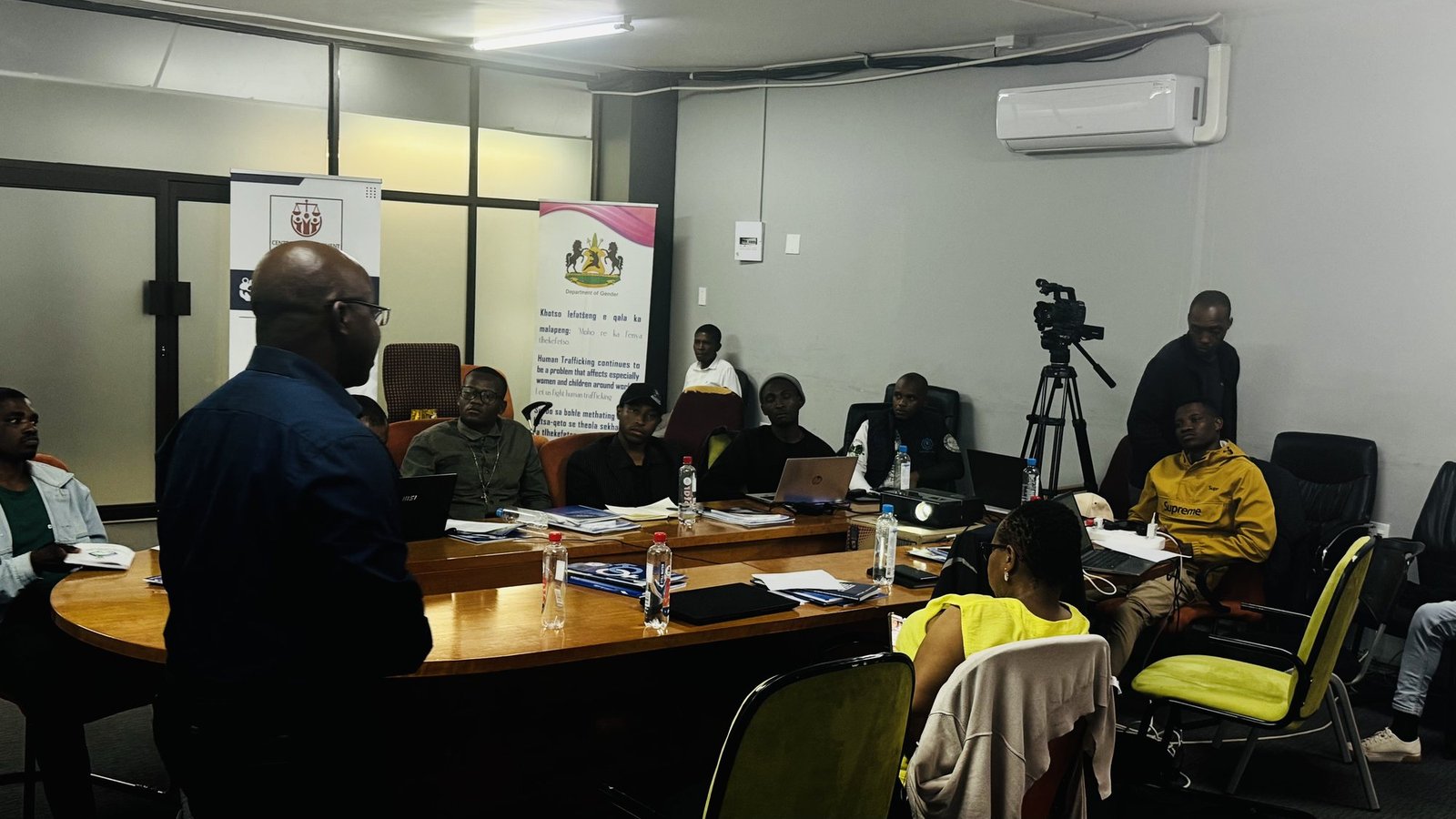
    CDSJ engaging journalists on public budgets, gender equality and social inclusion
    The practical discussion showed how a reporter can connect a community experience to public records, responsible institutions and measurable results.

    What gender-responsive reporting requires

    The training connected budget analysis with newsroom practice. Responsible reporting requires journalists to protect the dignity and privacy of survivors, avoid sensational language and images, seek informed consent, use gender-disaggregated evidence where it exists, and state clearly when important information remains unavailable.

    For budget stories, this also means going beyond the national announcement. A complete investigation compares the stated need with the approved amount, tracks releases and spending, examines geographic distribution and procurement, tests whether a service is safe and functional, and asks which groups gained most or least from the final result.

    Ten checks before publishing a GRB story

    1. Cite the correct year, document and amount.
    2. Separate what was approved, released, spent and delivered.
    3. Name the public problem and the responsible institution.
    4. Identify the intended groups and intersecting barriers.
    5. Apply the six GESI domains.
    6. Request disaggregated and geographic data.
    7. Compare selection criteria with actual beneficiaries.
    8. Include diverse affected voices safely and with consent.
    9. Measure functionality, quality, maintenance and outcomes.
    10. State evidence gaps and avoid assumptions or stereotypes.

    Building continued collaboration between the gender sector and the media

    The value of the workshop lies in continued application. Participants can take the concepts into routine reporting on violence, health, education, local government, water, agriculture, justice, public finance and other sectors. Gender-responsive journalism should not appear only during commemorative campaigns. It belongs in daily decisions about whose voice is heard, which evidence is tested and whether public commitments produce fair results.

    Continued collaboration between the Ministry, MISA Lesotho, CDSJ and media professionals can support future learning, responsible referral practices, better access to subject expertise and stronger public-interest reporting. Follow-up also creates an opportunity to see how participants apply the training in stories and how editorial practice changes over time.

    CDSJ’s perspective: accountable journalism strengthens gender justice

    CDSJ appreciates the Ministry of Gender’s leadership in convening the workshop and MISA Lesotho’s partnership in connecting gender knowledge with newsroom practice. Media professionals shape how people understand violence, public institutions and the choices Government makes with public resources.

    For CDSJ, gender-responsive reporting combines accuracy with dignity and accountability. It protects people from further harm, questions stereotypes instead of repeating them, and follows public promises until citizens can see who benefited, who remained excluded and what must change.

    This work strengthens both gender justice and democratic accountability in Lesotho. When journalists follow the money, find the people affected and test the result, they help communities and institutions move from announcements to evidence and from stated commitments to fair outcomes.

    Follow CDSJ’s work on gender equality, accountable governance and public-interest communication.
    More News & EventsSubscribe for Updates
  • CDSJ Condemns the Abduction and Torture of Kananelo Boloetse and Calls for a United National Response to Protect Democratic Space

    CDSJ Condemns the Abduction and Torture of Kananelo Boloetse and Calls for a United National Response to Protect Democratic Space

    For immediate release · 8 September 2026 · Maseru, Lesotho

    A national call to protect democratic space

    CDSJ calls for an impartial investigation, accountability and a united response that protects journalists, activists, human-rights defenders and every citizen’s right to participate safely in Lesotho’s democracy.

    Press releaseHuman rightsGovernanceLesotho

    The Centre for Development in Social Justice (CDSJ) strongly condemns the reported abduction, assault and torture of journalist, activist and human-rights defender Mr Kananelo Boloetse on Saturday, 5 September 2026.

    According to information presently in the public domain, Mr Boloetse was reportedly taken from his residence in Maseru by unidentified armed men, subjected to serious physical assault and later abandoned in the Thaba-Bosiu area before receiving medical treatment and reporting the matter to the Lesotho Mounted Police Service.

    CDSJ’s immediate calls

    • A prompt, thorough, credible and impartial investigation.
    • Appropriate measures to ensure Mr Boloetse’s continued safety where necessary.
    • Accountability for every person ultimately found to have planned, facilitated, financed or carried out the attack.
    • Regular, responsible public communication that does not compromise the investigation.
    • Sustained national mechanisms to protect journalists, activists and human-rights defenders before threats escalate into violence.

    Solidarity and a wider democratic concern

    CDSJ extends its solidarity to Mr Boloetse, his family, colleagues in the media, fellow human-rights defenders and the broader community of people and organisations working to advance democracy, accountability and social justice in Lesotho.

    An attack of this nature cannot be viewed simply as a private act of violence against one individual. Where a journalist, activist or public-interest advocate is abducted and tortured, the consequences extend beyond the immediate victim. Such incidents can create fear among journalists, civil-society organisations, researchers, lawyers, activists, whistleblowers and ordinary citizens who rely on democratic freedoms to participate meaningfully in the life of the country.

    Mr Boloetse has been publicly engaged in journalism, advocacy, constitutional litigation and wider debates on governance and accountability. Regardless of whether one agrees or disagrees with his views, protecting his right to express himself, investigate matters of public interest, organise, litigate and participate in national debate ultimately protects the democratic rights enjoyed by every Mosotho.

    A democratic society cannot function effectively where citizens begin to believe that public criticism, journalism, activism or advocacy may expose them to violence, intimidation or retaliation.Centre for Development in Social Justice

    Civic and media space is democratic infrastructure

    CDSJ is deeply concerned about the broader condition of Lesotho’s civic and media space and believes this incident should prompt national reflection on how democratic actors are protected.

    Lesotho has long benefited from an active civil society, an engaged media, an independent legal profession, community organisations, human-rights defenders and citizens willing to question decisions affecting their lives. These actors do not exist outside the democratic system, nor should they be understood as opponents of the State. They form part of the democratic infrastructure of the Kingdom of Lesotho and contribute to transparency, accountability, public participation, development and stronger public institutions.

    The present moment should not deepen divisions between Government, civil society, the media and other democratic actors. It should become an opportunity to strengthen the partnership necessary to protect Lesotho’s democracy. The defence of constitutional democracy requires cooperation among State institutions, Parliament, the judiciary, law-enforcement agencies, political leaders, civil-society organisations, media institutions, professional bodies, communities and citizens.

    Government’s responsibility and an investigation led by evidence

    Government carries an important constitutional responsibility to ensure that every person in Lesotho can exercise fundamental freedoms in safety. This becomes especially important where journalists, activists and human-rights defenders face threats, intimidation or violence connected, or perceived to be connected, with their democratic work.

    The strongest response would be a transparent, credible and professional investigation that establishes what happened, identifies those responsible and demonstrates that violence against people exercising legitimate democratic freedoms will not be tolerated, regardless of who the perpetrators may ultimately prove to be.

    CDSJ deliberately refrains from drawing conclusions that properly belong to a competent investigation. At the same time, the seriousness of the circumstances requires all credible allegations, possible motives and relevant lines of inquiry to be examined thoroughly and independently. Democratic confidence is strengthened when institutions follow the evidence wherever it leads, without political favour, institutional protection or predetermined conclusions.

    We place our confidence in the ability of the Government of Lesotho, the Lesotho Mounted Police Service and other responsible institutions to exercise the diligence, independence and professionalism this matter requires. We encourage Government to treat this moment not only as a criminal investigation, but also as an opportunity to reaffirm its commitment to an open democratic society in which journalists, activists, human-rights defenders and civil-society organisations can carry out their work without fear.

    From response to lasting protection

    CDSJ respectfully calls for a prompt, thorough and impartial investigation into the abduction and torture of Mr Boloetse, appropriate measures to ensure his continued safety where necessary, and accountability for every person who may ultimately be found to have planned, facilitated, financed or carried out the attack.

    We further encourage regular and responsible communication with the public on the progress of the investigation, to the extent possible without compromising its integrity. Public confidence will depend not only on the outcome, but also on confidence in the process through which that outcome is reached.

    Beyond the immediate investigation, Lesotho should strengthen practical mechanisms for protecting journalists, activists and human-rights defenders. This should include sustained dialogue among Government, civil society, media organisations, security institutions and other relevant stakeholders on how threats can be reported, assessed and addressed before they escalate. Such engagement should form part of an ongoing national commitment to protect the democratic space within which citizens participate in public life.

    Protecting disagreement protects democracy

    Government and civil society will not always agree, nor should they be expected to. Journalists will sometimes publish uncomfortable information, activists will challenge public decisions, civil-society organisations will criticise policy, and citizens will approach the courts to contest the actions of public institutions. These are not signs of democratic failure. They are signs that democratic institutions are being used.

    Government has both the right and responsibility to govern, maintain public order, protect national interests and respond to criticism through lawful democratic processes. The strength of a democracy lies in the ability of these different actors to disagree while continuing to recognise one another as legitimate partners in the constitutional life of the country.

    The response to Mr Boloetse’s case must therefore rise above political camps and institutional defensiveness. The question before Lesotho should not be which side of a political argument he belongs to, but whether our democratic system is strong enough to ensure that no one is abducted, assaulted or tortured because of journalism, advocacy, political opinion, public criticism or lawful civic participation.

    Protecting that principle protects Government as much as it protects civil society, because stable democratic institutions ultimately strengthen the legitimacy of the State itself.

    CDSJ encourages the Government of Lesotho to use this moment to renew its partnership with the media, civil-society organisations and human-rights defenders, and to reaffirm publicly that those who scrutinise Government, challenge decisions or demand accountability remain entitled to the protection of the State.

    A confident democratic government does not require silence from its citizens. It protects their right to disagree while ensuring that disagreements remain within the rule of law.CDSJ statement · 8 September 2026

    Our solidarity

    To Ntate Kananelo Boloetse, CDSJ expresses its solidarity and wishes him strength and recovery. His experience should concern every person who values Lesotho’s democratic future.

    No journalist should have to choose between personal safety and reporting the truth as they understand it. No activist should have to choose between safety and advocacy. No civil-society organisation should have to calculate whether speaking about injustice may expose its members to violence, and no citizen should be deprived of security because of legitimate participation in public affairs.

    The most powerful response Lesotho can give to those who use violence to create fear, whoever they may ultimately be, is to demonstrate that our institutions remain stronger than intimidation and that our democracy remains capable of protecting disagreement.

    CDSJ remains committed to working with the Government of Lesotho, law-enforcement institutions, the media, civil-society organisations, communities, development partners and all democratic stakeholders to protect and strengthen the civic space upon which Lesotho’s constitutional democracy depends.

    Read the official press release

    Download the signed, print-ready PDF issued by CDSJ on 8 September 2026.

    Download the full statement (PDF)

  • CDSJ Engages Mapoteng Youth on GBV Prevention and Gender Equality

    CDSJ Engages Mapoteng Youth on GBV Prevention and Gender Equality

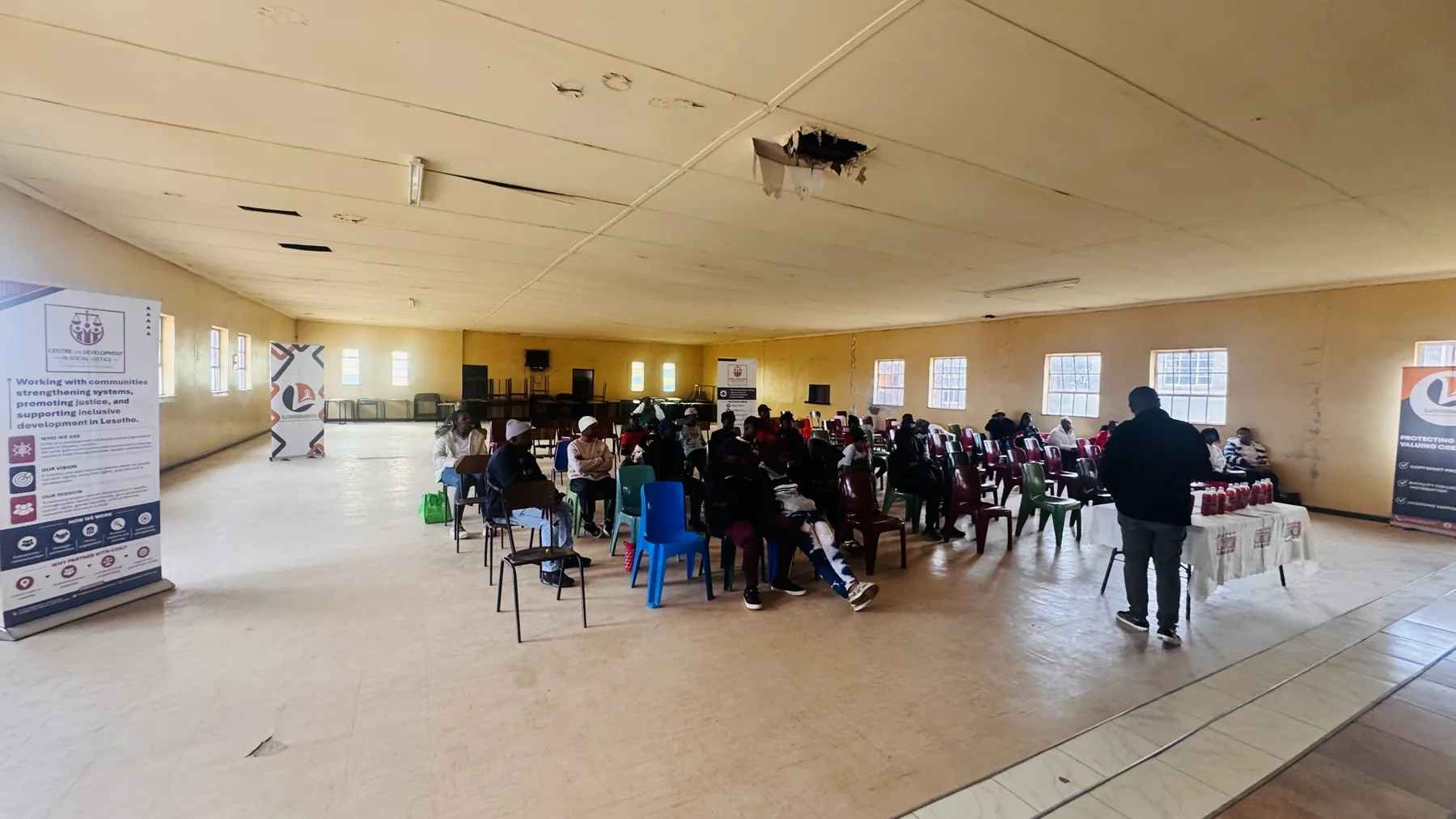
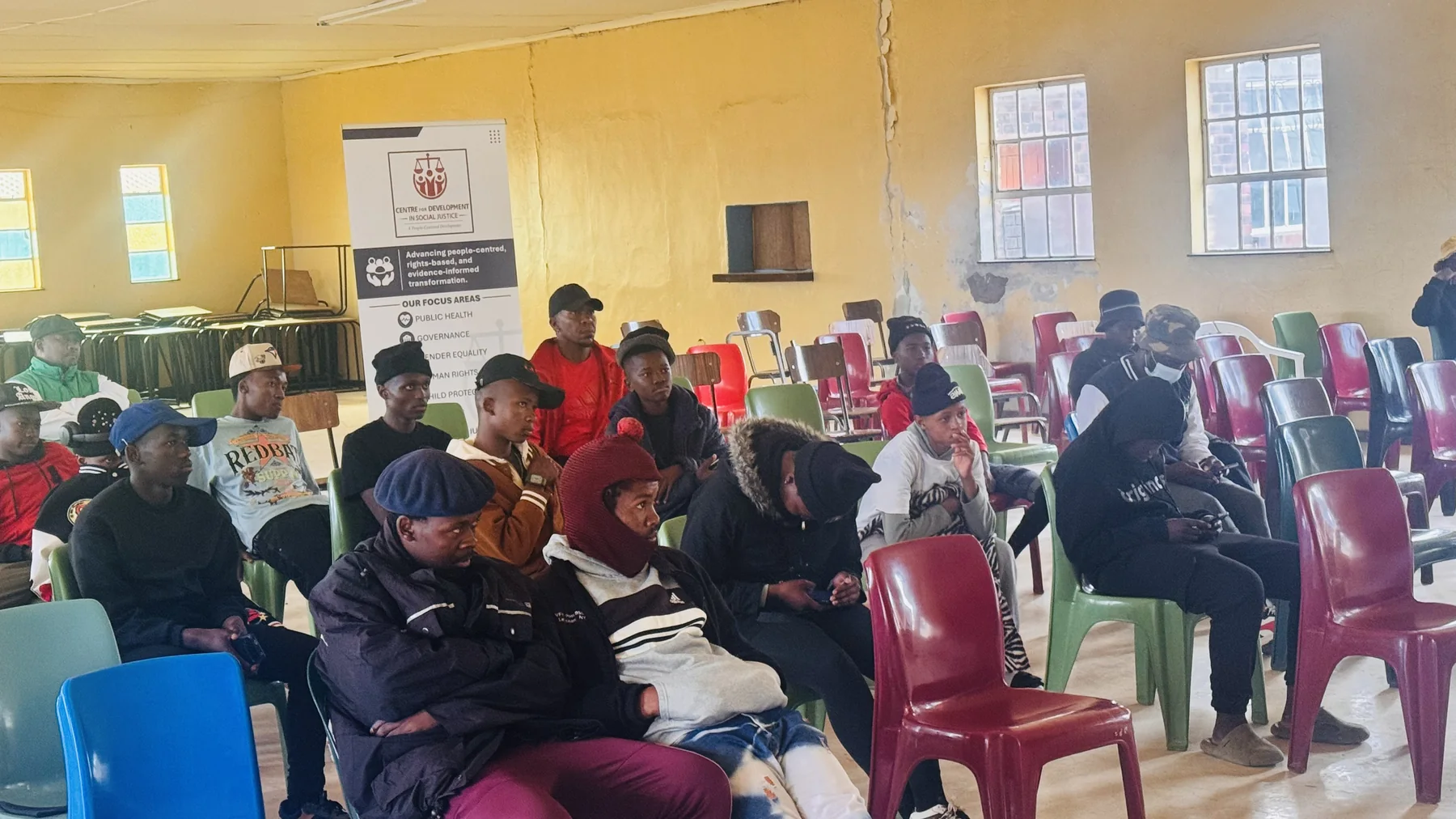
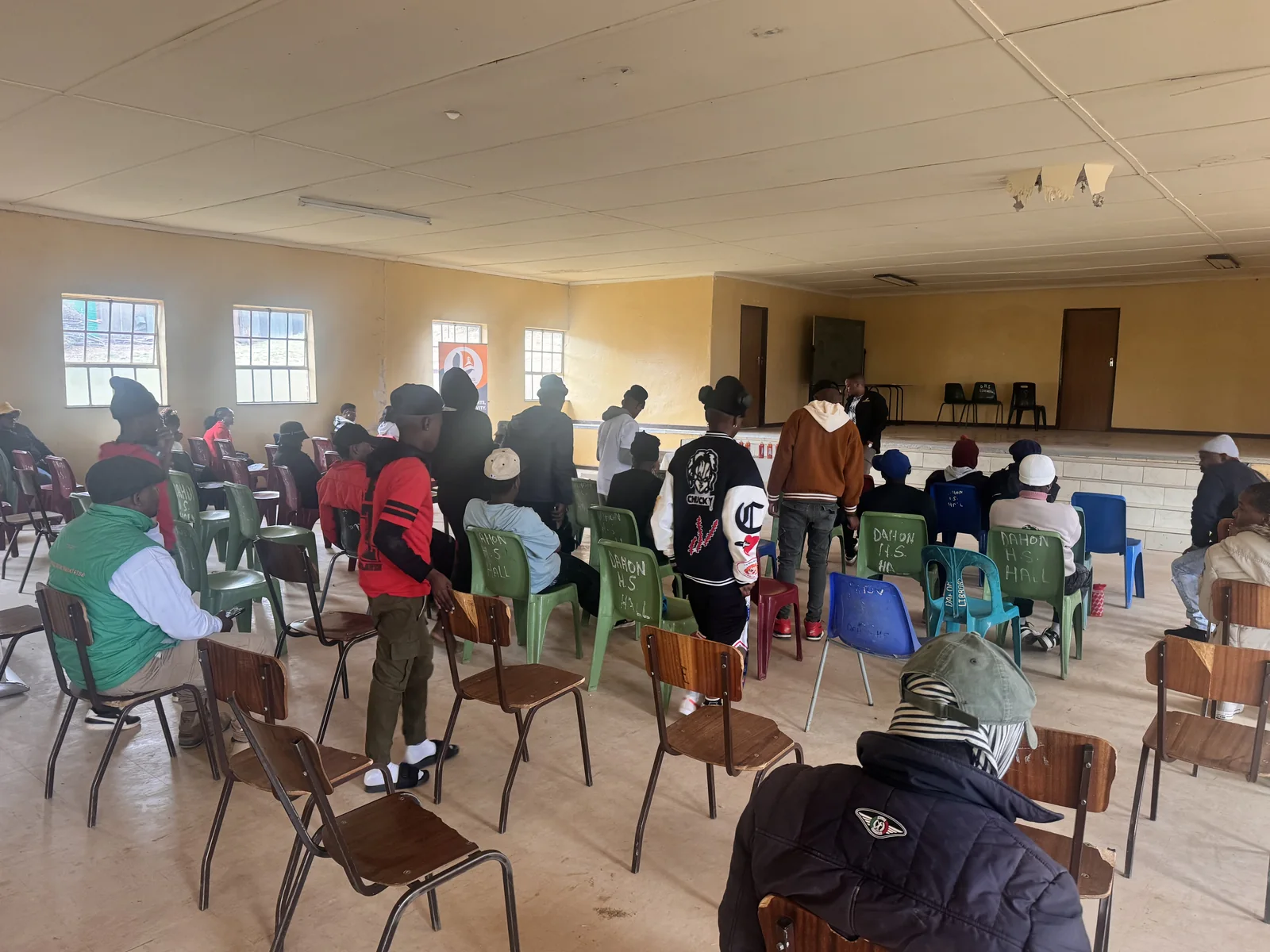
    CDSJ supported a Ministry of Gender youth engagement initiative at Dahon High School in Mapoteng, delivering an interactive session on gender-based violence prevention, the role of men and boys, gender equality and meaningful youth participation.

    Date5 September 2026
    LocationDahon High School, Mapoteng
    PartnerMinistry of Gender

    On 5 September 2026, the Centre for Development in Social Justice (CDSJ) joined the Ministry of Gender in a youth engagement initiative held at Dahon High School in Mapoteng. The gathering created a space for young people to examine how gender norms, unequal power and silence around violence affect their lives, their relationships and the communities in which they are growing up.

    CDSJ’s contribution, delivered by Adv. Motlatsi J. Mofolo, connected two issues that are often discussed separately. The first was how men and boys can become accountable partners in preventing gender-based violence (GBV). The second was how young people can participate meaningfully in gender-equality decisions rather than being invited only after programmes and priorities have already been decided.

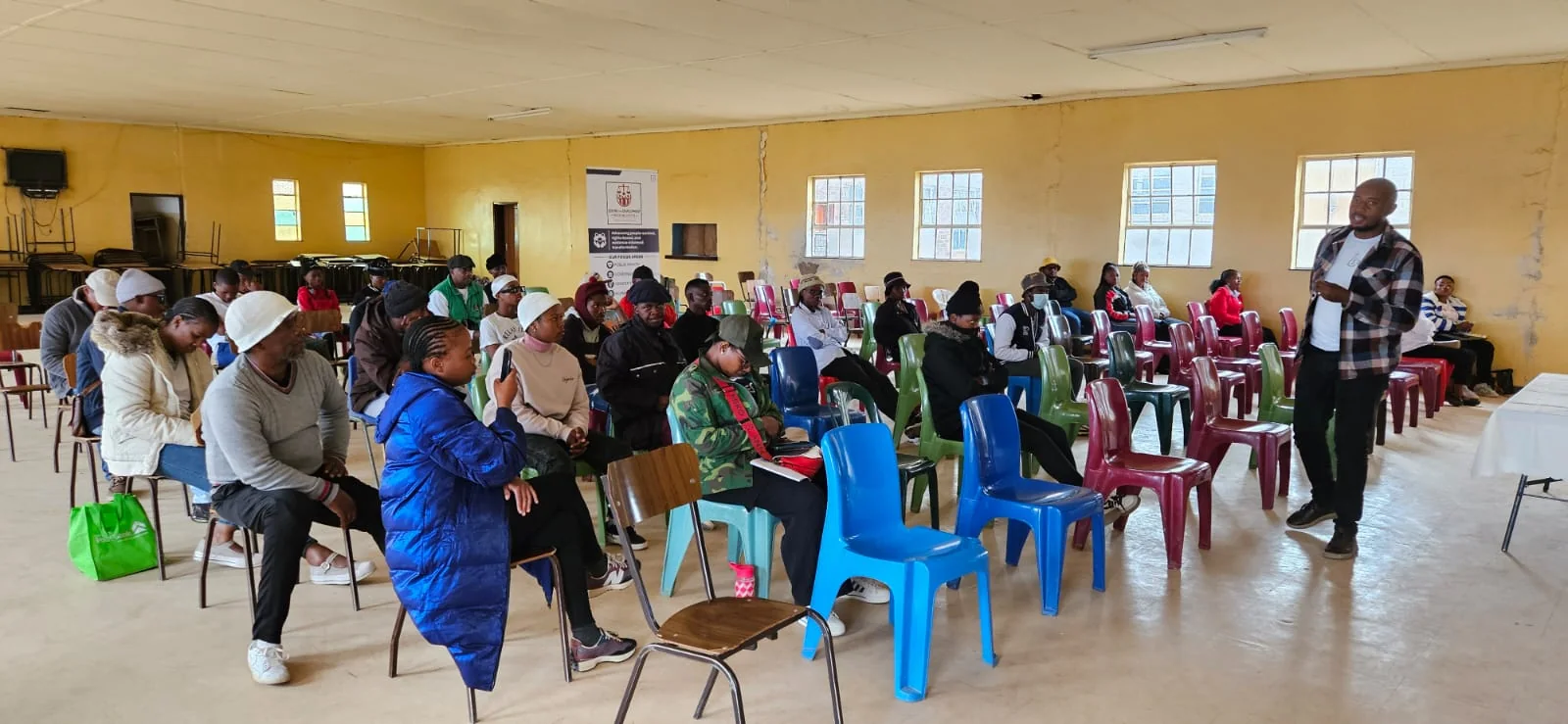
    Youth participants and facilitators at the Ministry of Gender engagement supported by CDSJ in Mapoteng
    The Ministry of Gender youth engagement at Dahon High School brought young people together for discussion, reflection and participatory learning.

    Why prevention must begin before harm occurs

    The presentation placed the discussion within Lesotho’s wider gender and demographic context. It emphasised that GBV cannot be treated only as an individual act or as a private matter that institutions address after violence has already occurred. Violence is also shaped by everyday expectations within families, peer groups, schools, community structures, workplaces and digital spaces.

    44.1%Women aged 15–49 reported as having experienced physical or sexual violence since age 15.
    36%Women reported as having experienced violence by a husband or intimate partner.
    29%Basotho are aged 10–24, illustrating why youth voice belongs at the centre of prevention.

    These figures, presented from UNFPA and UNICEF materials referenced in the session, reinforce the need for prevention that changes the conditions in which violence becomes normalised or concealed. In a country where more than 60 per cent of the population is under 35, youth participation must form part of the prevention system rather than remain a small supporting activity.

    “Ho thibela tlhekefetso ke mosebetsi oa sechaba sohle, empa o qala ka boikarabello ba motho ka mong.”
    Preventing violence is a responsibility shared by the whole community, and it begins with individual accountability.

    Men and boys as accountable prevention partners

    The session challenged the idea that work with men and boys simply means adding male participants to a meeting. Meaningful engagement must produce changes in attitudes, behaviour, power relations and accountability. Men and boys should participate as people with their own duty to reject violence, coercion, entitlement and harmful peer pressure.

    Accountability without displacing women’s leadership

    Engaging men and boys should never excuse perpetrators, dilute women’s leadership or make men the centre of GBV work. It should create honest spaces in which boys and men can question harmful ideas about masculinity, practise respectful relationships and challenge one another when silence protects abuse.

    Participants considered some of the conditions that men and boys can help change: social expectations that equate masculinity with control or aggression; the protection of offenders in the name of family or community reputation; economic and relationship power used to limit another person’s choices; online harassment and image-based abuse; sexist jokes and coercive behaviour that are dismissed until harm escalates; and peer pressure that rewards dominance.

    The presentation proposed a practical pathway that can be adapted to schools and other community spaces:

    1. ReachWork in the spaces where men and boys already gather.
    2. ReflectDiscuss masculinity, power, consent and peer pressure honestly.
    3. CommitAgree on clear conduct, including no violence, coercion or cover-up.
    4. ActSupport respectful relationships, referrals and community action.
    5. AccountTrack behaviour, challenge repeat harm and report back.

    Young people listening during the CDSJ-supported gender equality session in Mapoteng
    Youth participants following the discussion on GBV prevention, gender equality and personal accountability.
    Young people taking part in a participatory session at Dahon High School
    Participation during the engagement helped move the session beyond a one-way presentation.

    From youth attendance to youth influence

    The second part of CDSJ’s intervention asked a direct question: how much influence do young people actually have over decisions that affect their safety, dignity and future? A room may contain many young people while still leaving all important decisions in adult hands.

    The presentation described a participation ladder that begins with decoration, where youth are invited for numbers, entertainment or photographs but have no influence. Consultation allows young people to express views, although adults may still make decisions without reporting back. Collaboration gives youth a role in shaping activities, messages and monitoring. Co-leadership shares authority and implementation responsibility. Youth-led change enables young people to identify concerns, organise action, engage duty-bearers and remain accountable to their own constituencies.

    What meaningful participation requires

    Young people need safe and continuous ways to contribute. Programmes should involve them when problems are defined, when solutions are designed and when results are reviewed. Participation also requires practical support such as safe venues, accessible information, transport or data where needed, clear safeguarding arrangements and feedback on what decision-makers accepted, rejected or funded.

    The discussion also recognised barriers that can exclude young people even when an invitation exists. Adults may dismiss youth as inexperienced. Girls and young women may face stigma, care responsibilities or safety risks when they speak. Costs, disability access, timing and language can quietly keep some voices out. Young participants may also fear retaliation at home, at school or online if they speak openly about violence or discrimination.

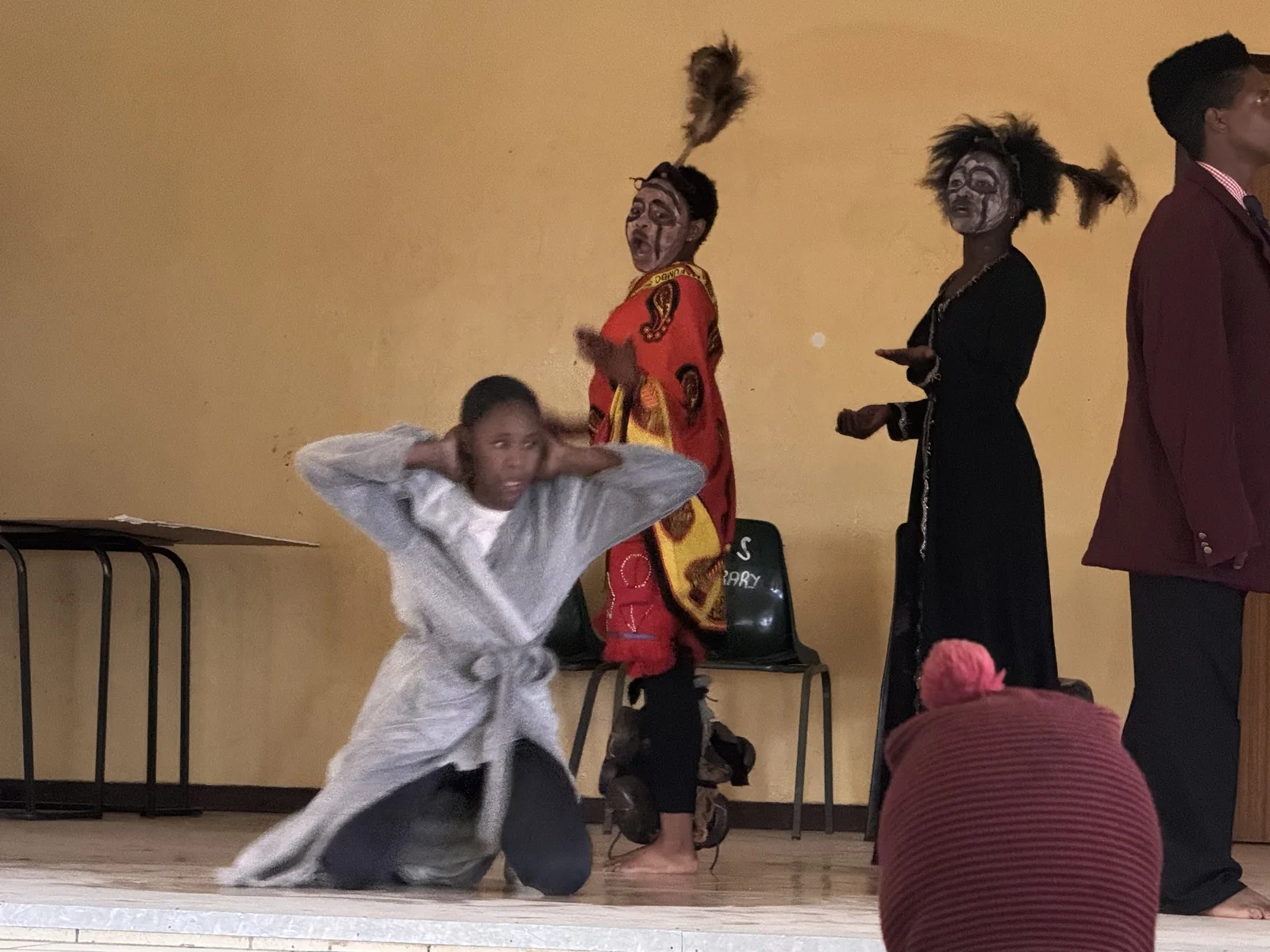
    Young performers contributing to the youth engagement programme at Dahon High School
    Creative performance formed part of the wider youth engagement programme at Dahon High School.

    Turning discussion into practical commitments

    The session concluded with a simple framework for moving from discussion to action over a 90-day period. During the first 30 days, participants and institutions can identify the spaces where men, boys and youth should be engaged, the people who can open those spaces, and the safeguarding and referral arrangements that must be in place.

    During days 31–60, structured dialogues can be held and young people can help shape prevention messages, school or community outreach, digital-safety content and reporting pathways. During days 61–90, participants can review whether the quality of youth participation improved, whether harmful norms were challenged, whether referral pathways were used appropriately and whether public commitments were honoured.

    This framework does not assume that a single engagement can transform behaviour. A first dialogue can open the door, but prevention requires repeated practice, visible accountability and institutions that continue listening after an event has ended.

    CDSJ’s perspective: youth voice belongs inside the prevention system

    CDSJ appreciates the Ministry of Gender’s initiative and the opportunity to contribute to youth engagement in Mapoteng. Work to prevent GBV gains strength when it reaches young people before harmful expectations about gender, power and relationships become deeply established.

    Engaging men and boys carries a clear purpose: to build accountability among those who can interrupt harmful peer norms, reject silence and support respectful relationships without displacing the leadership of women and girls. Meaningful youth participation carries an equally clear purpose: to ensure that young people help shape the decisions, services and community responses that affect their lives.

    For CDSJ, the measure of a successful youth engagement is not attendance alone. The deeper test is whether young people leave with clearer knowledge, whether institutions create safe routes for their continued participation, and whether commitments lead to changes that can be seen in homes, schools, community spaces and public decision-making.

    Follow CDSJ’s work on gender equality, human rights and youth participation.
    More News & Events
    Subscribe for Updates
  • Strengthening Lesotho’s Coordinated Response to GBV: CDSJ Participates in Anti-GBV Coordination Forum Reconstitution Meeting

    Strengthening Lesotho’s Coordinated Response to GBV: CDSJ Participates in Anti-GBV Coordination Forum Reconstitution Meeting

    CDSJ joined government, justice-sector institutions and civil-society partners at a Ministry of Gender-convened meeting to reconstitute Lesotho’s Anti-GBV Coordination Forum and strengthen a coordinated, survivor-centred national response.

    Date3 September 2026
    Convened byMinistry of Gender
    FocusNational GBV coordination

    On 3 September 2026, the Centre for Development in Social Justice (CDSJ) joined government institutions, justice-sector actors and civil-society organisations for the reconstitution of Lesotho’s Anti-Gender-Based Violence Coordination Forum. The meeting was called and convened by the Ministry of Gender as part of efforts to create a stronger, more coherent national mechanism for preventing and responding to gender-based violence (GBV).

    Mr. Ntheka Matobo of the Ministry of Gender delivered the welcome remarks. Dr. Mosiuoa Ramakoele led the presentation on the Coordination Forum, guiding participants through its history, intended purpose, proposed structure and the responsibilities required to make it operational and sustainable.

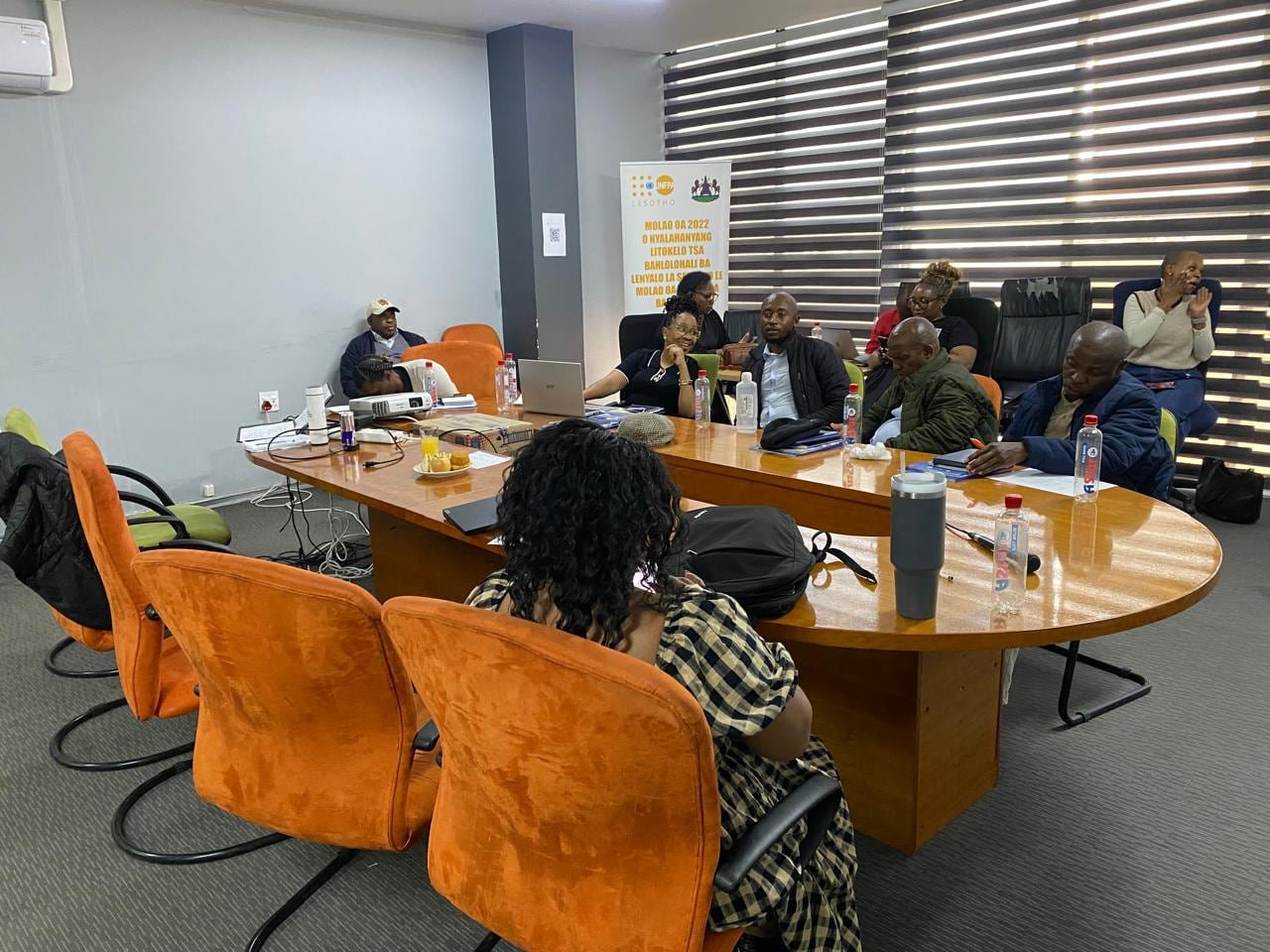
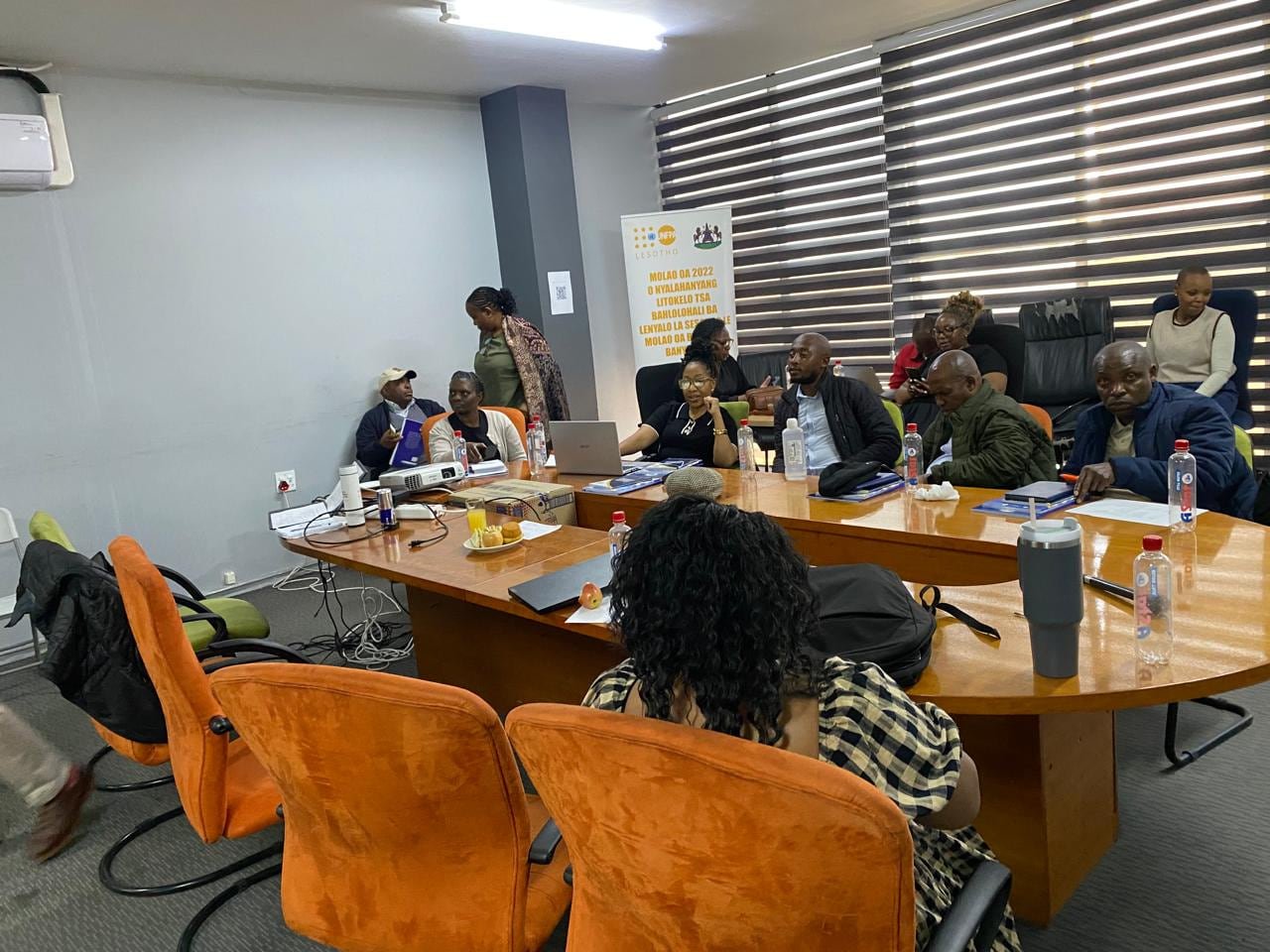
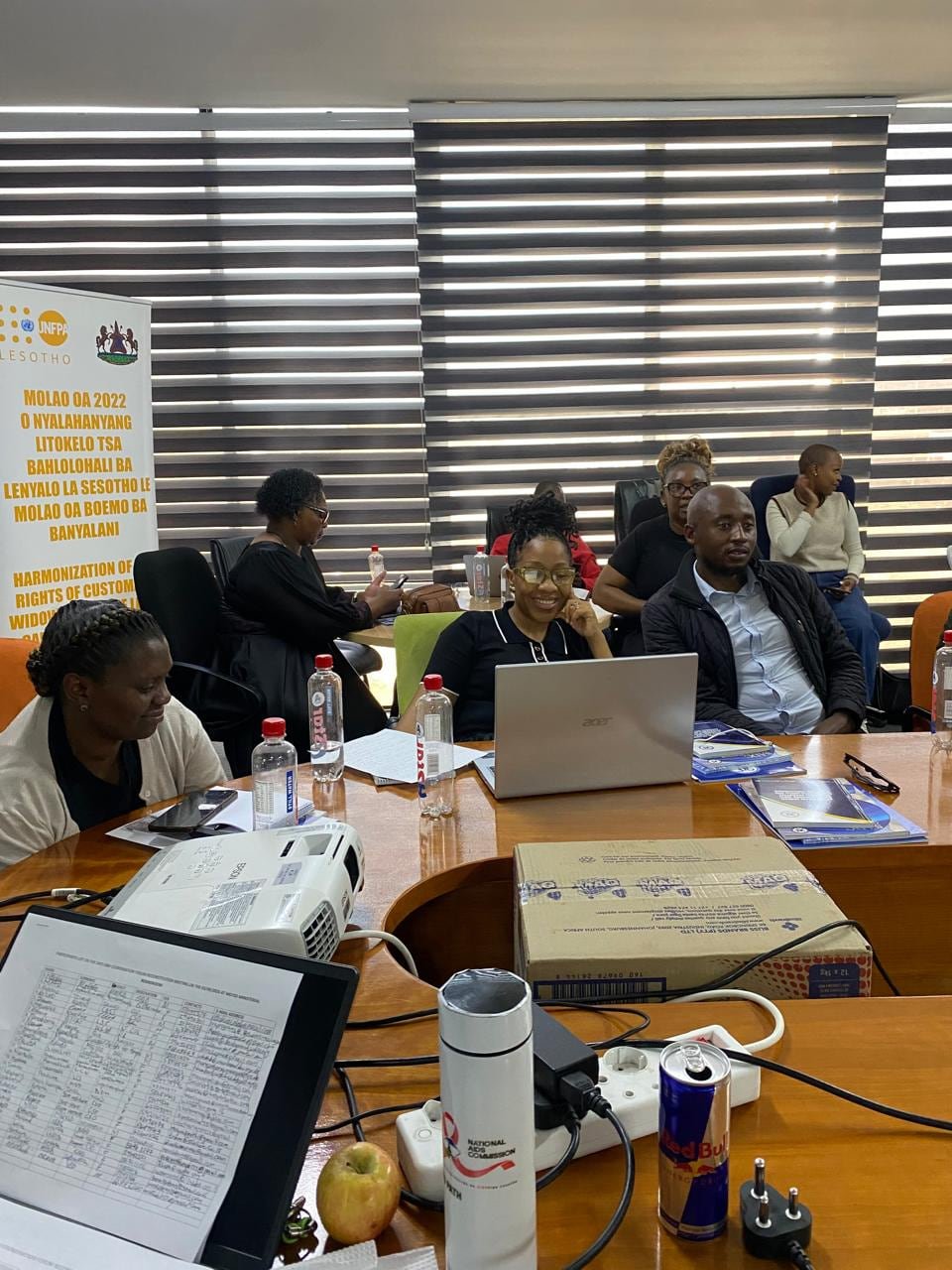
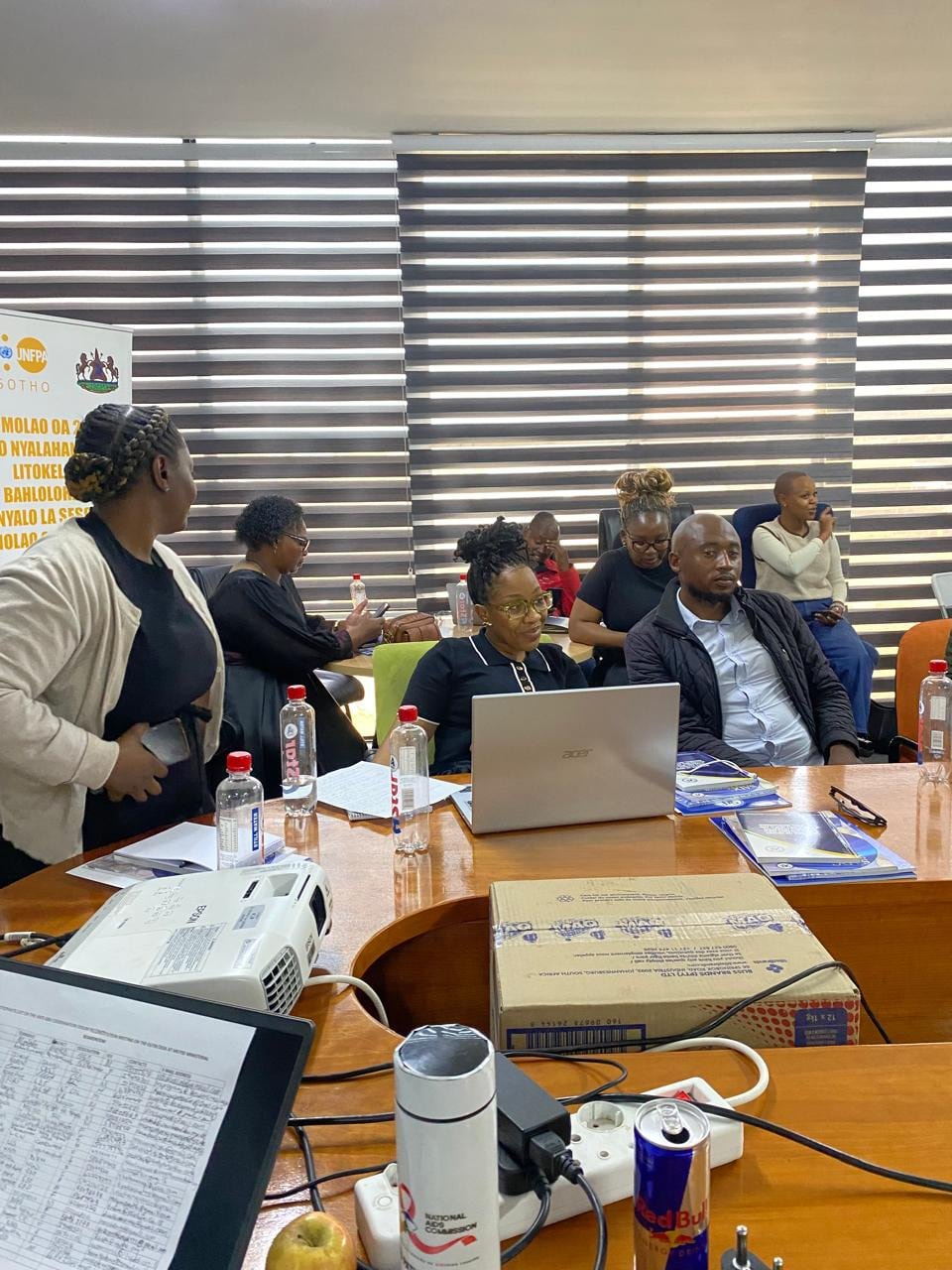
    Government and civil-society participants at the Anti-GBV Coordination Forum meeting
    Government, justice-sector and civil-society representatives participating in the Anti-GBV Coordination Forum Reconstitution Meeting.

    Rebuilding a national coordination mechanism

    The presentation situated the Forum within a longer national process. It traced the call for an Anti-GBV coordination mechanism to the 2013 GBV Indicator Study, followed by the establishment of the Forum in 2019. The Forum was described as having entered a period of dormancy between 2021 and 2024, before reactivation efforts began in 2025 and the current reconstitution process was undertaken in 2026.

    Why coordination matters

    Survivors often encounter several systems—including health services, the police, courts, correctional services, social-development structures and community organisations. When these systems work in isolation, referrals can break down, responsibilities can become unclear and important cases can fall through institutional gaps.

    The meeting therefore focused on rebuilding a Forum capable of providing a common framework for GBV prevention and response, reducing duplication among stakeholders, strengthening cooperation, supporting evidence-informed action and improving coordination at both national and district levels.

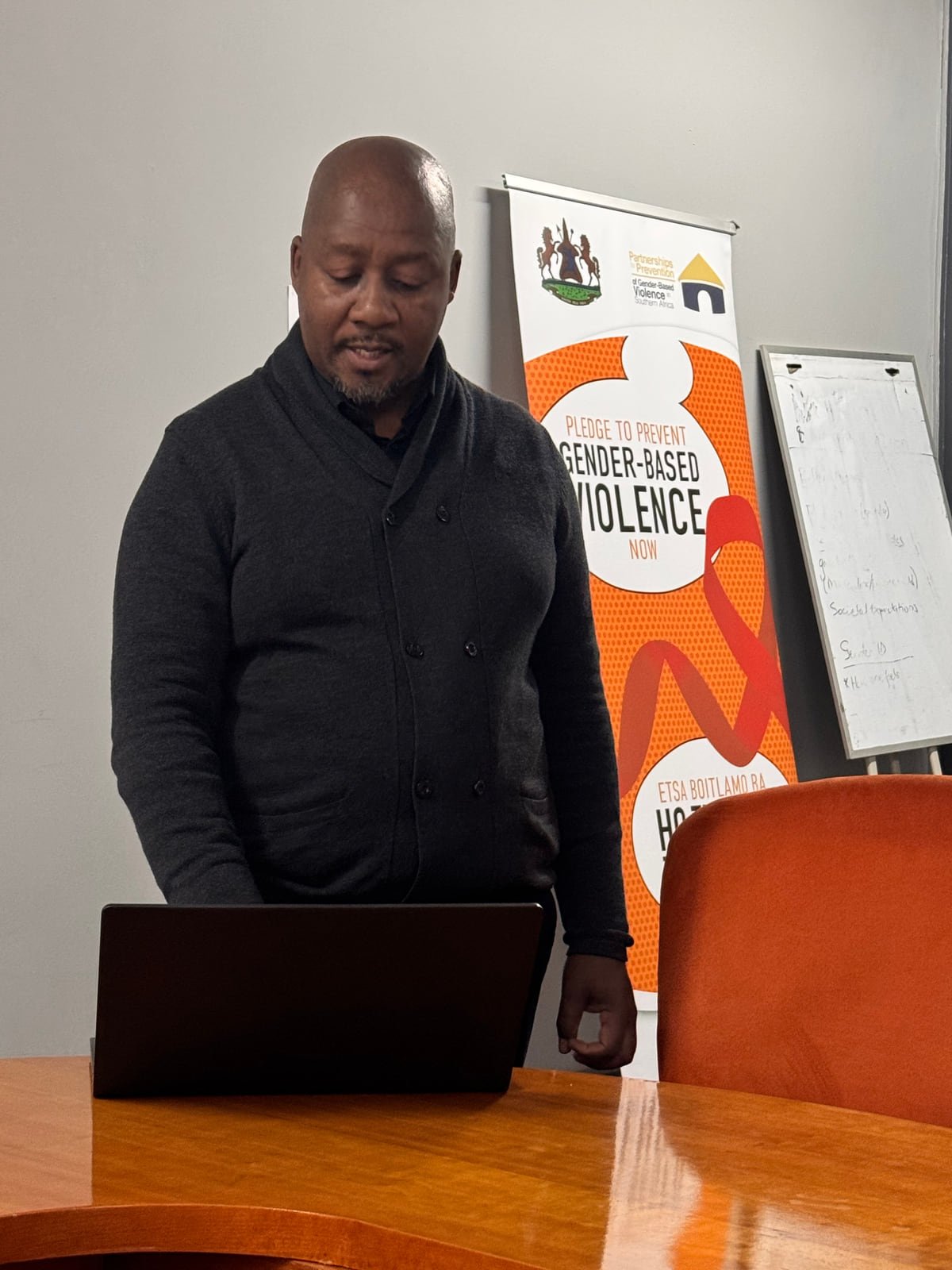
    Presentation during the Anti-GBV Coordination Forum Reconstitution Meeting
    A presentation during the Anti-GBV Coordination Forum Reconstitution Meeting.
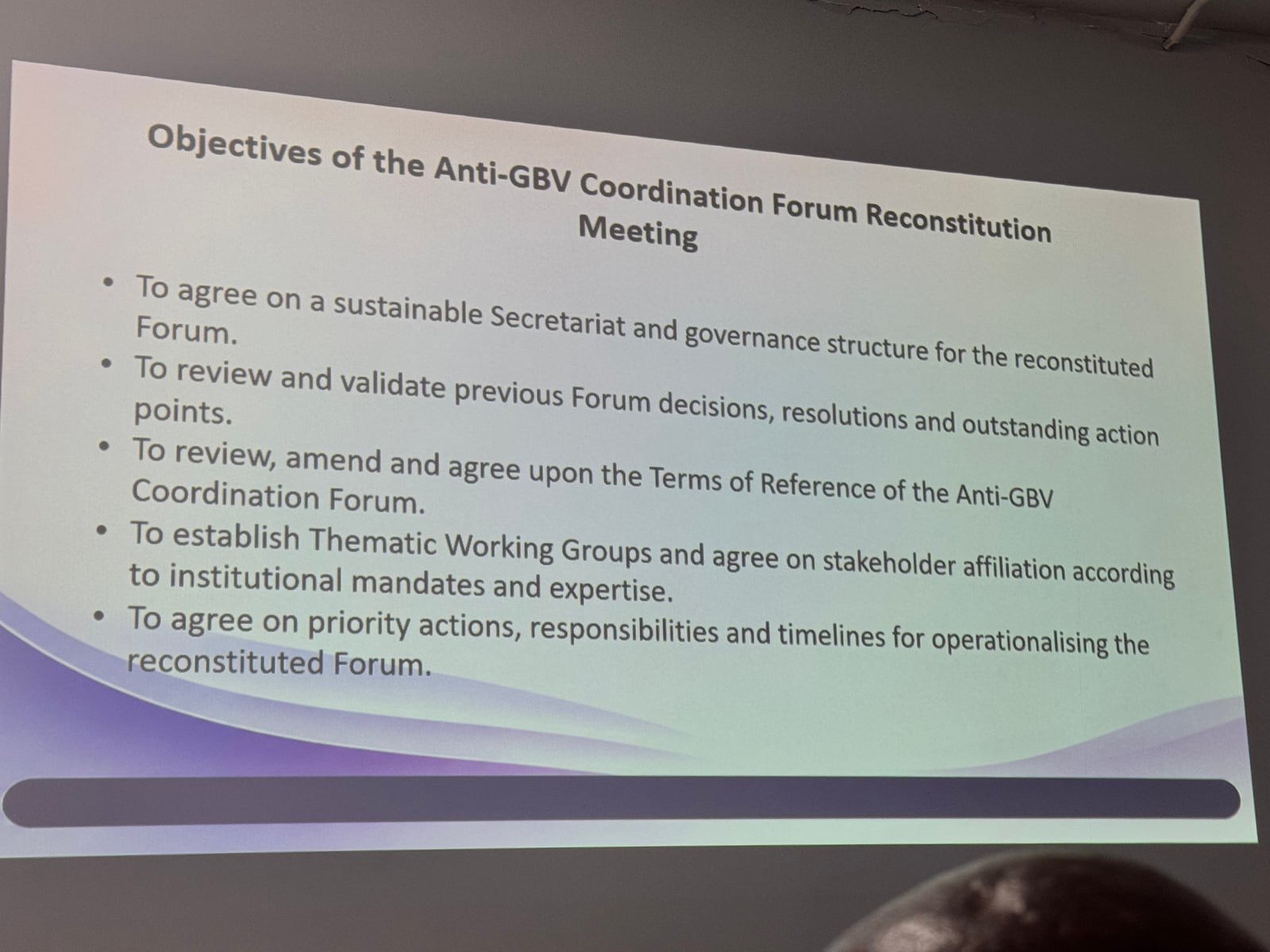
    Slide outlining objectives of the Anti-GBV Coordination Forum Reconstitution Meeting
    Meeting objectives included strengthening governance, reviewing earlier resolutions, refining the Terms of Reference and organising thematic working groups.

    From a Forum on paper to a working system

    The meeting’s objectives included agreeing on a sustainable secretariat and governance structure; reviewing decisions, resolutions and outstanding actions from earlier Forum meetings; reviewing and refining the Forum’s Terms of Reference; establishing thematic working groups; and identifying priority actions, responsibilities and timelines for implementation.

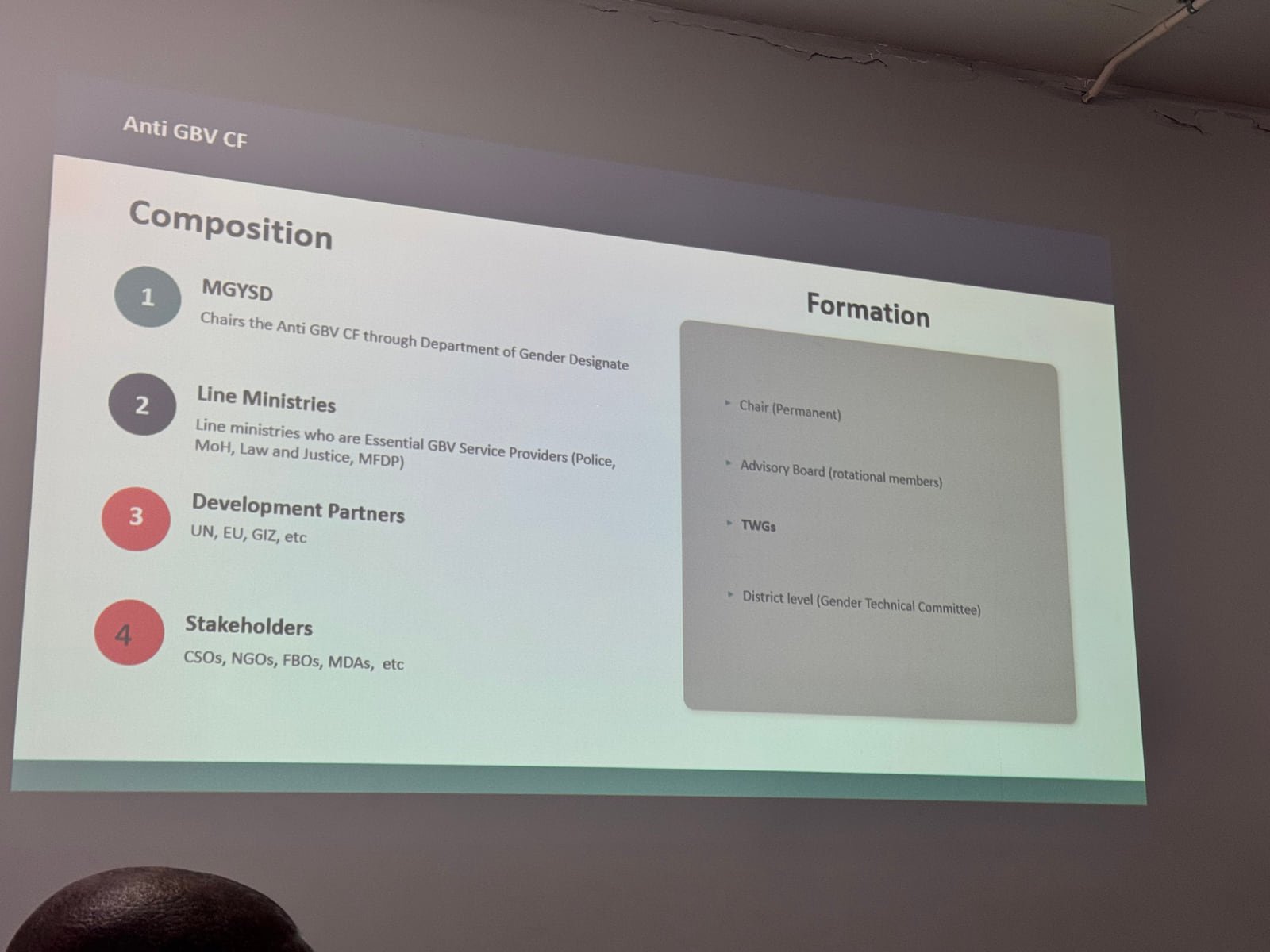
    Participants considered the Forum’s purpose, membership, representation, leadership arrangements and institutional responsibilities. The proposed composition brings together the Ministry responsible for Gender, relevant line ministries, development partners and civil-society stakeholders. The structure presented for discussion included a permanent chair, a rotating advisory board, thematic working groups and district-level Gender Technical Committees.

    Slide showing the proposed composition and structure of the Anti-GBV Coordination Forum
    The proposed Forum structure brings together government, relevant line ministries, development partners and civil-society stakeholders.

    The presentation also emphasised that leadership of the Forum should involve more than convening meetings. Its responsibilities should include aligning Forum activities with national GBV policies and strategies, following up on decisions, facilitating information sharing and joint planning, promoting survivor-centred and rights-based advocacy, strengthening referral systems and maintaining regular reporting.

    Turning discussion into accountable follow-through

    The agenda was deliberately organised around continuity and implementation rather than beginning the process afresh. Participants received rapporteur reports from the previous two Anti-GBV Coordination Forum meetings, with attention to issues already discussed, decisions and resolutions taken, progress made and actions that remain outstanding. This provided a basis for testing the proposed Terms of Reference against earlier commitments and institutional experience.

    The second part of the meeting created space for questions, clarification and reflection on the draft Terms of Reference before participants considered which institutions could contribute to the proposed thematic working groups. The closing session focused on agreed actions, the institutions or people responsible, implementation timelines and arrangements for the next Forum meeting.

    This sequence is important because effective coordination depends on a visible chain from discussion to decision, from decision to assigned responsibility, and from responsibility to monitored action. Regular reporting and follow-up can help the Forum maintain momentum and ensure that commitments translate into practical improvements for survivors and communities.

    Gendered justice concerns must form part of the response

    A concern raised in the opening remarks

    The opening remarks drew attention to the gendered operation of the criminal justice system in pregnancy- and child-related cases involving women and girls. This intersects directly with CDSJ’s growing work on situations in which criminal responsibility can be applied in a one-sided manner, leaving women and girls to carry disproportionate legal and social consequences.

    For CDSJ, this discussion is significant because GBV coordination must address not only individual acts of violence but also institutional practices that may reproduce gender inequality. A survivor-centred and rights-based response requires careful attention to how laws are interpreted, how cases are investigated and prosecuted, whose conduct is scrutinised and whether women and girls can access justice without discrimination.

    Bringing this concern into a national coordination forum creates an important opportunity for justice institutions, government departments and civil-society organisations to examine gaps collectively and pursue responses that are both legally accountable and gender-responsive.

    Broad participation across sectors

    The meeting brought together representatives from CDSJ, Women and Law in Southern Africa (WLSA), Seinoli, Lesotho Correctional Services, the Ministry of Gender, the Lesotho Council of NGOs, Gender Links Lesotho, Help Lesotho, the Magistracy, Sesotho Media, the International Human Rights Lab and the Lesotho National Federation of Organisations of the Disabled (LNFOD).

    The breadth of participation reflected the cross-sectoral nature of GBV prevention and response. Government institutions bring statutory mandates and public-service responsibilities; justice actors influence protection, investigation and accountability; and civil-society organisations contribute community knowledge, specialised services, advocacy, monitoring and direct engagement with people affected by violence and discrimination.

    The participation of disability-rights and media organisations also gives the Forum an opportunity to strengthen accessibility and public communication. Effective coordination should make information, referral pathways and services understandable and reachable for people with different needs, while supporting responsible reporting that protects dignity and does not reinforce stigma.

    CDSJ’s perspective: an important opportunity for the sector

    CDSJ welcomes the Ministry of Gender’s initiative. The reconstitution of the Forum represents an important opportunity for Lesotho’s GBV sector to move from fragmented interventions towards shared direction, clearer responsibilities and stronger accountability.

    The value of the Forum will ultimately be measured by whether coordination produces real improvements: functioning referral pathways, timely institutional follow-up, effective thematic working groups, stronger district-level action and services that survivors can access with dignity and confidence.

    CDSJ also believes the Forum should create space to confront difficult structural concerns, including the gendered treatment of women and girls in criminal cases connected to pregnancy and child-related matters. Addressing these gaps requires government, justice institutions and civil society to examine how laws and institutional practices operate in people’s lives and to pursue reforms that are accountable, gender-responsive and grounded in human rights.

    CDSJ is ready to contribute community experience, evidence and rights-based analysis to this collective effort. A functional Forum can strengthen not only Lesotho’s response to GBV, but also the sector’s capacity to prevent violence and challenge the inequalities that sustain it.

    Follow CDSJ’s work on gender equality, human rights and access to justice.
    More News & Events
    Subscribe for Updates
  • Mohale FM Interview: TFGBV Prosecution and One-Sided Criminal Liability

    Mohale FM Interview: TFGBV Prosecution and One-Sided Criminal Liability

    In a Mohale FM interview following CDSJ’s project planning meeting, Motlatsi Mofolo unpacked two connected justice concerns: stronger responses to technology-facilitated GBV and the unequal criminalisation of women and girls in pregnancy- and child-related cases.

    Date26 August 2026
    Media platformMohale FM
    Recording8 minutes 44 seconds

    Public understanding is an important part of justice reform. Following CDSJ’s gender-just criminal justice project implementation planning meeting on 26 August 2026, Mohale FM interviewed CDSJ’s Motlatsi Mofolo about two issues that require both technical institutional action and informed public discussion.

    The interview connected the project’s legal and policy objectives to the everyday realities of people who may experience harm online, seek assistance from the police, or encounter a criminal justice process that does not examine responsibility equally. It also created an opportunity to explain why CDSJ is bringing justice institutions, civil society, women’s rights actors and communities into the same reform conversation.

    Why take these issues to the public?

    Legal reform cannot remain confined to technical meetings. People need to recognise emerging forms of abuse, understand that digital harm can have serious consequences, know where to seek assistance and see how unequal social expectations can influence the treatment of women and girls in criminal cases.

    Two issues, one gender-justice question

    Both topics ask whether the justice system has the rules, evidence practices and institutional awareness needed to respond fairly. In one area, technology changes how abuse is committed and recorded. In the other, gendered assumptions can influence whose conduct is investigated and who carries the legal and social burden.

    Supporting CGPU responses to technology-facilitated GBV

    The first issue concerned strengthening the capacity of the Lesotho Mounted Police Service’s Child and Gender Protection Unit (CGPU) to investigate technology-facilitated gender-based violence (TFGBV) and support effective prosecution.

    TFGBV can involve threats, harassment, non-consensual sharing of intimate material, impersonation, coercive control, stalking and other abuse carried out or amplified through mobile phones, social media and digital platforms. The consequences are not “only online”: digital abuse can damage safety, dignity, livelihoods, education, relationships and participation in public life.

    A credible justice response needs more than a general prohibition against abuse. Frontline officers require clear steps for receiving complaints, preserving digital material, recording evidence, protecting privacy, conducting survivor-centred interviews and coordinating with prosecutors and other service providers. Unclear procedures can weaken a case before it reaches court, while poor handling of sensitive material can expose a survivor to further harm.

    CDSJ’s project therefore envisages focused consultations and case review to identify where current practice is failing, followed by the preparation of clearer legal rules and practical police guidance. The intention is to support tools that can be understood, adopted and used in real cases.

    The gendered impact of one-sided criminal liability

    The second issue concerned pregnancy- and child-related cases in which a woman or girl may face criminal responsibility while the conduct of men or other people involved is not adequately examined. This concern can arise in matters involving abortion, infant abandonment, child neglect and related allegations.

    Gender-just justice requires an investigation of the full circumstances. Relevant questions include whether another person shared legal or practical responsibility, whether there was coercion or abandonment, what social and economic pressures were present, and whether the woman or girl had access to support, health care, protection and reliable information.

    This does not mean removing accountability. It means applying accountability consistently and refusing to allow gendered assumptions to determine whose conduct is scrutinised. Where responsibility is shared, the justice process should not place the entire burden on the person who is already more visible, vulnerable or socially condemned.

    Evidence before assumption

    Cases should be investigated on their full facts, with attention to every person’s conduct and responsibility.

    Context without discrimination

    Justice institutions should understand coercion, dependency, stigma and unequal power without using them to excuse harm or blame women and girls.

    Safeguarding and dignity

    Privacy, informed consent and protection from further harm must guide case review, legal support and public communication.

    Lessons for wider reform

    A carefully supported case can reveal systemic gaps and help institutions improve law, policy and practice beyond one person’s experience.

    From public discussion to institutional action

    The interview followed a CDSJ planning meeting that examined the evidence, technical roles, consultation pathways, institutional responsibilities and safeguards needed for the wider project. The planned work includes drafting guidance on TFGBV, developing a position paper on one-sided criminal liability, engaging justice leaders and Parliament, assessing possible cases and supporting one deserving case where appropriate.

    Radio engagement complements that technical work. It helps communities understand why these issues matter, encourages informed discussion and keeps attention on the responsibility of institutions to respond. It can also make specialist legal questions more accessible to listeners who may never encounter a policy document or formal consultation.

    Watch and listen to the interview

    The recording below was published by Mohale FM on Facebook and remains hosted by Mohale FM. Duration: 8 minutes 44 seconds.

    If the embedded player is unavailable in your browser, watch the full recording directly on Mohale FM’s Facebook page.

    CDSJ’s perspective: justice reform needs public ownership

    CDSJ believes that a fair justice system must be able to respond to new forms of violence while also examining older patterns of gender inequality within law and practice. Clear police guidance, sound evidence handling and survivor-centred procedures are essential, but sustainable reform also depends on public understanding and institutional accountability.

    By connecting technical planning with radio engagement, CDSJ is working to ensure that the reform conversation reaches beyond meeting rooms. Communities should be able to understand the issues, question unequal practices and participate in shaping a justice system that treats women and girls with dignity and fairness.

    Read the activity that shaped the interview discussion.
    Project Planning Meeting
    More News & Events
  • CDSJ Convenes Project Implementation Planning Meeting on Gender-Just Criminal Justice Reform

    CDSJ Convenes Project Implementation Planning Meeting on Gender-Just Criminal Justice Reform

    CDSJ convened government, policing, civil-society and United Nations stakeholders to turn three connected gender-justice priorities into a practical implementation pathway for Lesotho’s criminal justice system.

    Date26 August 2026
    VenueLancers Inn, Maseru
    Convened byCDSJ

    On 26 August 2026, the Centre for Development in Social Justice (CDSJ) convened a full-day project implementation planning meeting at Lancers Inn in Maseru. The meeting moved beyond a broad statement that criminal justice should be gender-responsive and examined the concrete legal, operational and institutional work required to make that principle meaningful for women and girls in Lesotho.

    The process engaged stakeholders from government, policing, civil society and the United Nations system. Invited institutions included the Ministry of Gender, the Lesotho Mounted Police Service’s Child and Gender Protection Unit (LMPS/CGPU), Women and Law in Southern Africa–Lesotho, UNFPA and UN Women. Their different mandates were important because the issues under discussion cannot be resolved by one organisation or one part of the justice system acting alone.

    Stakeholders participating in CDSJ's gender-just criminal justice project planning meeting in Maseru
    Stakeholders participating in CDSJ’s implementation planning meeting in Maseru.

    Turning a reform idea into an implementation plan

    The meeting opened by confirming the project purpose, its three planned deliverables and the key questions that needed collective attention. Participants were invited to consider relevance, feasibility, institutional linkages, risks and opportunities for collaboration before working through each reform area in detail.

    The shared challenge

    Women and girls can experience serious harm through phones, social media and other digital platforms while police and prosecutors lack sufficiently clear, practical guidance for recording, investigating and taking these cases forward. Girls and young women may also face criminal responsibility alone in pregnancy- and child-related cases even where men or other people share responsibility.

    CDSJ’s project connects legal research, institutional practice, public engagement and case-based learning. The aim is not only to describe unfairness, but to help produce clear tools, credible evidence and coordinated advocacy that institutions can act upon.

    Three connected reform workstreams

    Clearer responses to technology-facilitated GBV

    The first workstream focuses on abuse carried out through mobile phones, social media and other digital platforms. Planning covered the scope of the legal and operational issues, evidence needs, a drafting process for clearer regulations, practical police guidance, consultation and validation, technical roles, approvals and milestones. The intended pathway includes focused discussions, review of real cases, preparation of draft legal rules and step-by-step guidance, followed by formal engagement with justice leaders.

    Fairer treatment of girls and young women

    The second workstream examines one-sided criminal liability in pregnancy- and child-related matters, including abortion, infant abandonment and child neglect allegations. It asks whether the full circumstances are examined, whether shared responsibility is investigated and whether law and practice place a disproportionate burden on women and girls. The planned work combines consultation and case review with a clear reform paper and engagement with Parliament’s committee responsible for law and public safety.

    Using a deserving case to inform wider change

    The third workstream will identify and carefully assess possible prison or court cases, select one deserving case for potential review or appeal, and use the lessons to support broader legal and policy reform. Planning addressed selection criteria, legal strategy, institutional roles, decision points and the safeguards required before any case-related step is taken.

    Planned learning4focused discussions
    Evidence review6case reviews across two themes
    Direct support1deserving case prepared for legal action
    A participant contributing during the CDSJ gender-just criminal justice planning meeting
    A participant contributes to the implementation discussion.
    A facilitator presenting a project workstream during the CDSJ planning meeting
    A project workstream is presented for stakeholder review.

    What stakeholders planned together

    For the technology-facilitated GBV workstream, the agenda required agreement on legal and operational scope, the evidence base, drafting responsibilities, technical input, consultation and validation pathways, required approvals and key milestones. For the position paper on one-sided criminal liability, participants considered priority legal and policy questions, the gender-justice framing, consultation, parliamentary engagement, responsibilities and timing.

    The case-review workstream required additional care. Participants considered referral and selection criteria, assessment of possible cases, legal strategy, informed consent, confidentiality, safeguarding, institutional roles and the points at which decisions must be made. Cross-cutting discussions then addressed sequencing, coordination, information sharing, communications, documentation, learning, risk management and progress review.

    The day concluded by consolidating an implementation action plan: identifying immediate actions, the institutions or people responsible, key milestones and dependencies, and the purpose of the next coordination meeting. This emphasis on named responsibilities and follow-through is essential if collaboration is to move from agreement in the room to measurable institutional action.

    Safeguarding must shape every step

    Protecting people who share their stories

    CDSJ emphasised that case-related work must be grounded in informed consent, privacy, secure handling of information and the prevention of further harm. No legal or public-interest objective should override the wishes, safety or legal interests of the affected person.

    Safeguarding is equally important when evidence is gathered through consultations or case review. Identities should be protected, disclosure should never be forced, and engagement with institutions or the media must be carefully planned. A survivor-centred approach is not a separate project activity; it is the standard by which every activity should be designed and assessed.

    From planning to wider public engagement

    The planned pathway combines technical outputs with public action: clearer legal rules, a practical police guide, a reform position paper, formal submissions to justice institutions, engagement with Parliament, support in one deserving case, a shared civil-society action plan and radio discussions that help communities understand the issues and sustain public attention.

    This combination matters because legal reform is strongest when it connects lived experience, frontline practice, institutional responsibility and public understanding. Technical guidance must be usable by police and prosecutors; advocacy must be grounded in credible evidence; and communities need accessible information about rights, responsibilities and available remedies.

    CDSJ’s perspective: reform must be practical and accountable

    For CDSJ, gender-just criminal justice means asking how laws and procedures operate in people’s lives. It requires institutions to respond effectively to emerging forms of abuse, investigate responsibility fairly and avoid practices that reproduce discrimination against women and girls.

    The planning meeting created a shared foundation for moving from evidence to clear rules, from individual cases to wider reform and from public concern to coordinated institutional responsibility. CDSJ will continue working with justice institutions, civil society, women’s rights organisations, affected communities, Parliament and the media to advance this agenda.

    Read the planning briefs

    Two public CDSJ briefs supported the meeting’s technical discussion and provide a clearer account of the legal and implementation questions behind the initiative. They are published here to support informed engagement by justice institutions, civil society, researchers and the wider public.

    TFGBV legal brief

    Technology-Facilitated Gender-Based Violence in Lesotho

    This brief maps relevant Lesotho laws and proposes a practical framework for identifying offences, preserving digital evidence, protecting complainants and preparing technology-facilitated GBV cases for prosecution.

    Read or download the brief →

    Case-assessment brief

    Challenging One-Sided Criminal Prosecution in Pregnancy-Related Cases

    This planning brief examines fair, evidence-based investigation of abortion, infant-abandonment and child-neglect cases, including paternity, possible sexual offences, participation, maintenance and care duties, and relevant social circumstances.

    Read or download the brief →

    Continue following this gender-just criminal justice initiative.
    Watch the Mohale FM Interview
    More News & Events
  • Second National Male Engagement Forum Meeting and Training of Trainers

    Second National Male Engagement Forum Meeting and Training of Trainers

    CDSJ joined the Second National Male Engagement Forum Meeting and Training of Trainers to strengthen coordinated, accountable work with men and boys in preventing gender-based violence and advancing gender equality in Lesotho.

    Dates22–24 June 2026
    VenueKick for Life, Maseru
    Convened byMinistry of Gender with UNFPA

    The Centre for Development in Social Justice (CDSJ) participated in the Second National Male Engagement Forum Meeting and Male Engagement Training of Trainers, held from 22 to 24 June 2026 at Kick for Life in Maseru. The activity was convened by the Ministry of Gender, Youth and Social Development, Recreation and Sports in partnership with UNFPA.

    The three-day engagement brought together stakeholders from government, civil society, community structures and development partners. It provided a national space for coordination, exchange of practical experience and capacity strengthening around the role of men and boys in preventing and responding to gender-based violence (GBV).

    Participants at the Second National Male Engagement Forum Meeting and Training of Trainers in Maseru
    Participants during the national forum and Training of Trainers programme.

    Why meaningful male engagement matters

    Ending GBV requires strong services, protection and justice for survivors. It also requires prevention: sustained work with the people, relationships and institutions through which ideas about gender, power, authority and masculinity are learned and reinforced.

    Men and boys are not a single or uniform group, and male engagement should not treat them as such. Effective programmes create space to examine how social expectations around manhood can encourage control, silence, emotional isolation, unequal decision-making and the normalisation of violence. They also help participants identify positive alternatives grounded in respect, non-violence, care, shared responsibility and equality.

    Accountability must remain central

    Male engagement is not about moving attention or resources away from women and girls, excusing harmful behaviour or presenting men as the “solution” to women’s rights. It should support men and boys to recognise unequal power, take responsibility for their conduct and act as accountable partners within a wider gender-justice and survivor-centred agenda.

    Building facilitators who can support change

    The Training of Trainers strengthened participants’ understanding of male-engagement approaches, facilitation methods, community mobilisation and practical strategies for working with men and boys. This kind of training is important because sensitive conversations about violence, relationships, sexuality, fatherhood and power require more than a prepared presentation. Facilitators must be able to build trust, encourage reflection, challenge harmful statements without closing down dialogue and recognise when a participant needs specialised support or referral.

    Well-prepared facilitators can help groups move beyond abstract agreement that violence is wrong. They can guide discussion towards the everyday choices through which equality is practised: how decisions are made in households, how conflict is handled, how care work is shared, how peers respond to harmful behaviour and how men use their influence in families, workplaces, community structures and institutions.

    Positive masculinities

    Support healthier ways of expressing identity, strength and leadership that do not depend on dominance or violence.

    Shared responsibility

    Promote equal participation in caregiving, household decisions, sexual and reproductive health and community wellbeing.

    Violence prevention

    Help men and boys recognise harmful behaviour early, challenge peer norms and contribute to safer relationships and communities.

    Community accountability

    Connect personal reflection to responsibility within families, traditional structures, institutions and public life.

    Facilitated session during the National Male Engagement Forum Training of Trainers
    The Training of Trainers focused on practical approaches to facilitating work with men and boys.

    From a national forum to community practice

    A national coordination platform helps organisations compare approaches, identify gaps and avoid isolated interventions. It can also strengthen common standards so that community programmes are rights-based, culturally grounded and connected to appropriate services.

    For CDSJ, the value of the Forum lies in how national coordination informs practical work at community level. Dialogue with men and boys should be linked to broader efforts involving women’s rights organisations, survivor-support services, justice institutions, health services, community leadership and child-protection structures. Facilitators should know the limits of their role and understand available referral pathways when conversations reveal violence, risk or an immediate need for support.

    Community engagement also needs continuity. A single workshop may introduce ideas, but transformation requires repeated reflection, visible role models, organisational support and opportunities for men to practise accountability over time. Monitoring should assess not only how many people attend, but whether attitudes, relationships and institutional practices begin to change.

    CDSJ’s contribution to the male-engagement agenda

    CDSJ’s participation reflects its commitment to integrating male engagement into work on gender equality, human rights, child protection and community accountability. The organisation’s approach recognises that harmful norms are sustained across generations and therefore require engagement with families, peers, community leaders and the institutions that influence social expectations.

    CDSJ will continue supporting approaches that encourage non-violent relationships, responsible fatherhood, positive communication, shared decision-making and respect for the rights and dignity of women, girls and other vulnerable groups. This work also strengthens the organisation’s ability to design community initiatives that are informed by evidence and responsive to the lived realities of Basotho communities.

    CDSJ’s perspective: men and boys must become accountable partners

    Lesotho’s response to GBV needs coordinated action before, during and after violence occurs. Survivor-centred services and accountability for perpetrators remain essential; prevention must work alongside them by challenging the inequalities and social norms that allow violence to continue.

    The National Male Engagement Forum provides an important opportunity to align institutions, strengthen facilitators and build a shared movement in which men and boys are supported to question harmful norms and take practical responsibility for advancing equality. The measure of success will be safer relationships, stronger community accountability and sustained respect for the rights of women and girls.

    Follow CDSJ’s work on gender equality and violence prevention.
    More News & Events
    Subscribe for Updates
  • CDSJ Launches Digital Presence to Advance Development Justice Across Africa

    CDSJ Launches Digital Presence to Advance Development Justice Across Africa

    The launch of developmentjustice.org established a public home for CDSJ’s programmes, people, research, activities and partnership opportunities—and an important channel for organisational transparency and engagement.

    Launch date15 May 2026
    Platformdevelopmentjustice.org
    PurposeInformation, accountability and engagement

    The Centre for Development in Social Justice (CDSJ) officially launched its digital presence at developmentjustice.org, marking an important milestone in the organisation’s institutional development. The website provides a central, publicly accessible platform through which communities, civil-society organisations, government institutions, development partners, researchers and other stakeholders can learn about CDSJ’s work and connect with the organisation.

    For a growing public-interest organisation, a website is more than an online brochure. It is part of the organisation’s public infrastructure: a place to explain its mandate, document activities, share evidence, publish institutional information and make opportunities easier to find.

    A public home for CDSJ’s work

    CDSJ works across connected social-justice concerns. The website brings those areas together so that visitors can understand how programmes on governance, gender equality, human rights, public health, child protection, environmental justice and access to justice contribute to a broader people-centred development agenda.

    Why a connected platform matters

    Social-justice challenges rarely fit within a single programme label. A story about gender-based violence may also concern access to justice, child protection, public health and governance. The website allows CDSJ to show these connections while keeping programme areas clear and navigable.

    The platform also creates continuity. Project meetings, field activities, public consultations, media appearances and research outputs can be documented over time rather than disappearing after an event. This helps CDSJ tell the fuller story of how ideas develop, partnerships are formed, evidence is gathered and programmes grow.

    What visitors can find

    Programmes and projects

    Information about CDSJ’s thematic priorities, current initiatives, implementation approaches and the issues the organisation is working to address.

    News, events and activity stories

    Substantive updates from workshops, consultations, field activities, radio programmes, institutional engagements and other significant moments in CDSJ’s work.

    Publications and resources

    Research reports, policy briefs, practical tools, institutional documents and other materials intended to support learning and public engagement.

    People and institutional information

    Profiles of CDSJ’s leadership, board, staff, advisers and volunteers, alongside information about the organisation’s identity, values and governance.

    Opportunities

    A public channel for vacancies, internships, consultancies, calls for applications, volunteer roles and partnership opportunities as these become available.

    Ways to connect

    Contact pathways, newsletter subscription, social-media links, partnership information and calls to support CDSJ’s work.

    Supporting transparency and organisational memory

    Public-interest organisations build trust by showing what they do, why they do it and what they are learning. A well-maintained website supports this by creating an accessible record of activities, programme development and institutional growth.

    Regular publication also strengthens organisational memory. Staff, partners and future collaborators can return to earlier stories and resources to understand how an initiative began, which stakeholders were involved, what questions were raised and how later work connects to previous activities. This is especially important where projects involve long-term policy reform, community engagement or coordination across several institutions.

    The platform will continue to develop as CDSJ grows. New activities, publications, opportunities and profiles can be added through an organised content system, allowing the website to remain current without rebuilding pages for every routine update.

    Designed for public engagement

    The website was created to make CDSJ’s work easier to discover and understand. Programme information provides context, while individual stories offer deeper accounts of activities and their significance. Publications make evidence available for wider use, and contact and partnership pathways help visitors move from reading about the organisation to engaging with it.

    This approach reflects CDSJ’s belief that development work should be open to participation and public scrutiny. Clear information can support collaboration, reduce duplication, connect people with resources and create opportunities for institutions and communities to work together around shared justice priorities.

    Organisational reach1central public platform
    Current programme areas7connected justice themes
    Public access24/7information and contact pathways

    An invitation to connect and collaborate

    CDSJ invites civil-society organisations, government institutions, development partners, community actors, researchers, media organisations and individuals committed to social justice to explore the platform and identify areas of shared interest.

    Visitors can follow current activities through News & Events, learn about the organisation’s programmes and people, access publications as they are released, subscribe for updates or contact CDSJ about partnerships and collaboration. As the organisation’s work expands, the website will remain a key channel for documenting progress and keeping the public informed.

    CDSJ’s perspective: a website should serve the organisation’s mission

    CDSJ’s digital presence is intended to make information, evidence and opportunities more accessible. Its value will be measured not only by how it looks, but by whether communities and partners can find what they need, understand the organisation’s work and engage through clear pathways.

    The launch was therefore the beginning of an ongoing commitment: to keep the platform current, professional and useful; to document CDSJ’s work with substance; and to use digital communication as part of accountable, people-centred development.

    Explore CDSJ and stay connected.
    Explore Our Programmes
    Subscribe for Updates
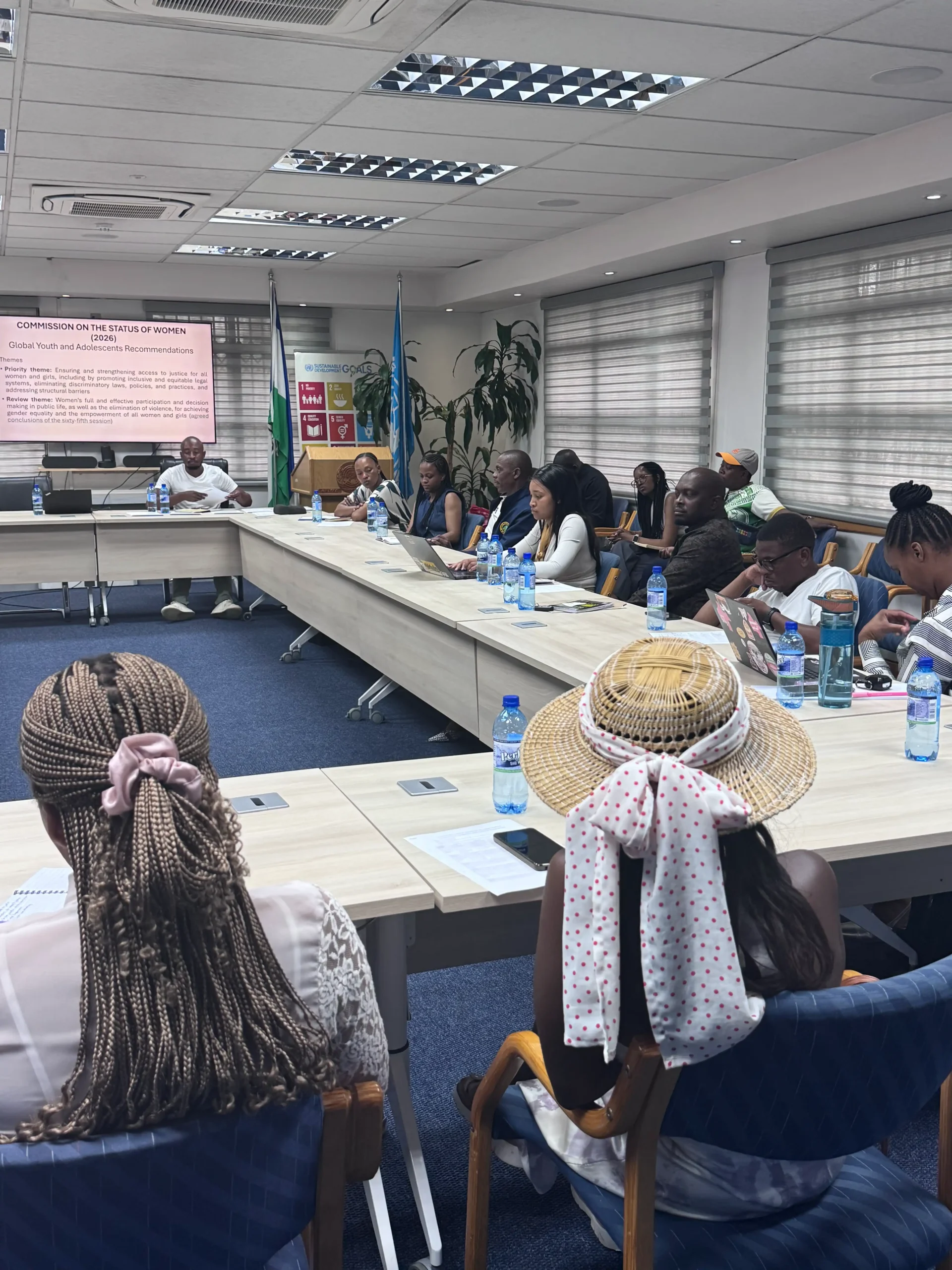
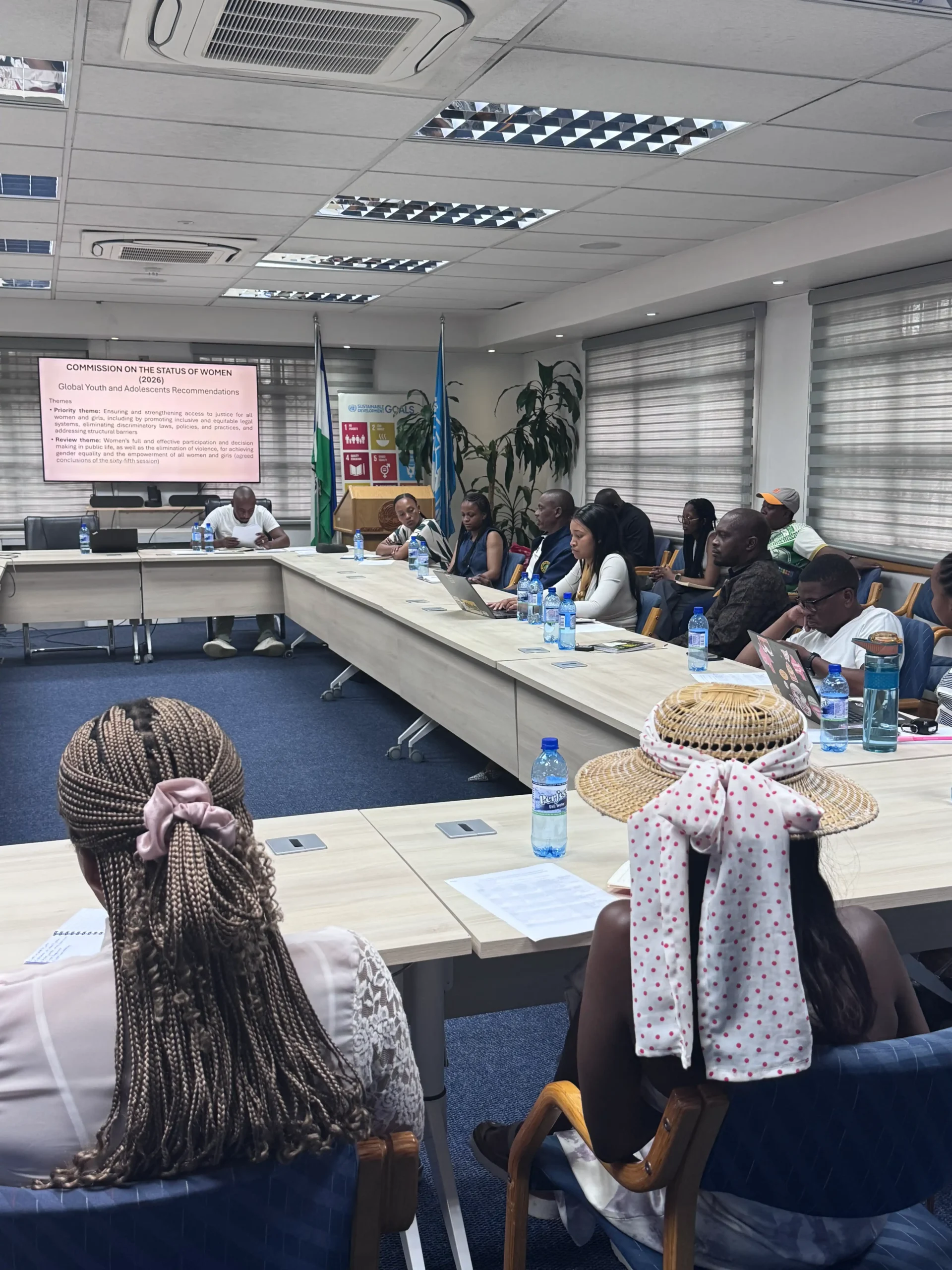
  • CSW70 National Youth Consultation on Access to Justice for Women and Girls in Lesotho

    CSW70 National Youth Consultation on Access to Justice for Women and Girls in Lesotho

    A CDSJ-led national consultation brought together 30 participants from urban, peri-urban and rural communities to ensure that Lesotho’s youth perspectives inform the CSW70 global conversation on access to justice for women and girls.

    Date16 December 2025
    VenueUN House, Maseru
    FormatSelf-funded national consultation

    On 16 December 2025, the Centre for Development in Social Justice (CDSJ) held a one-day, in-person national youth consultation on access to justice for women and girls. Conducted in Sesotho and English, the consultation linked local experience in Lesotho to the global youth and adolescent engagement process associated with the seventieth session of the Commission on the Status of Women (CSW70).

    The consultation created space for adolescent girls, young women, youth representatives and women’s rights allies to examine the barriers people encounter when seeking protection, accountability and remedies. Rather than discussing access to justice only as a legal principle, participants considered how cost, distance, age, gender norms, disability, institutional practice, limited services and digital exclusion shape whether rights can be exercised in practice.

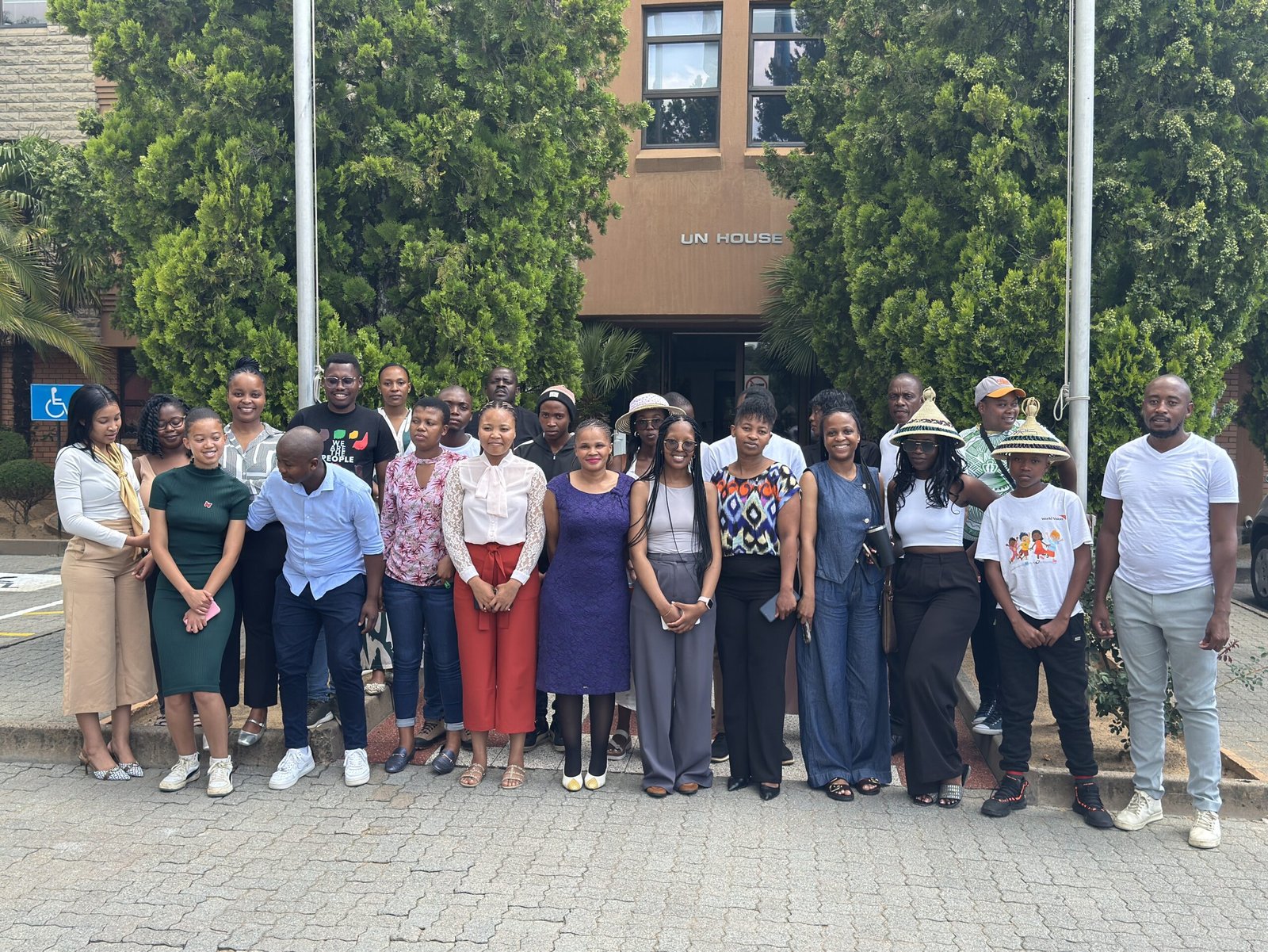
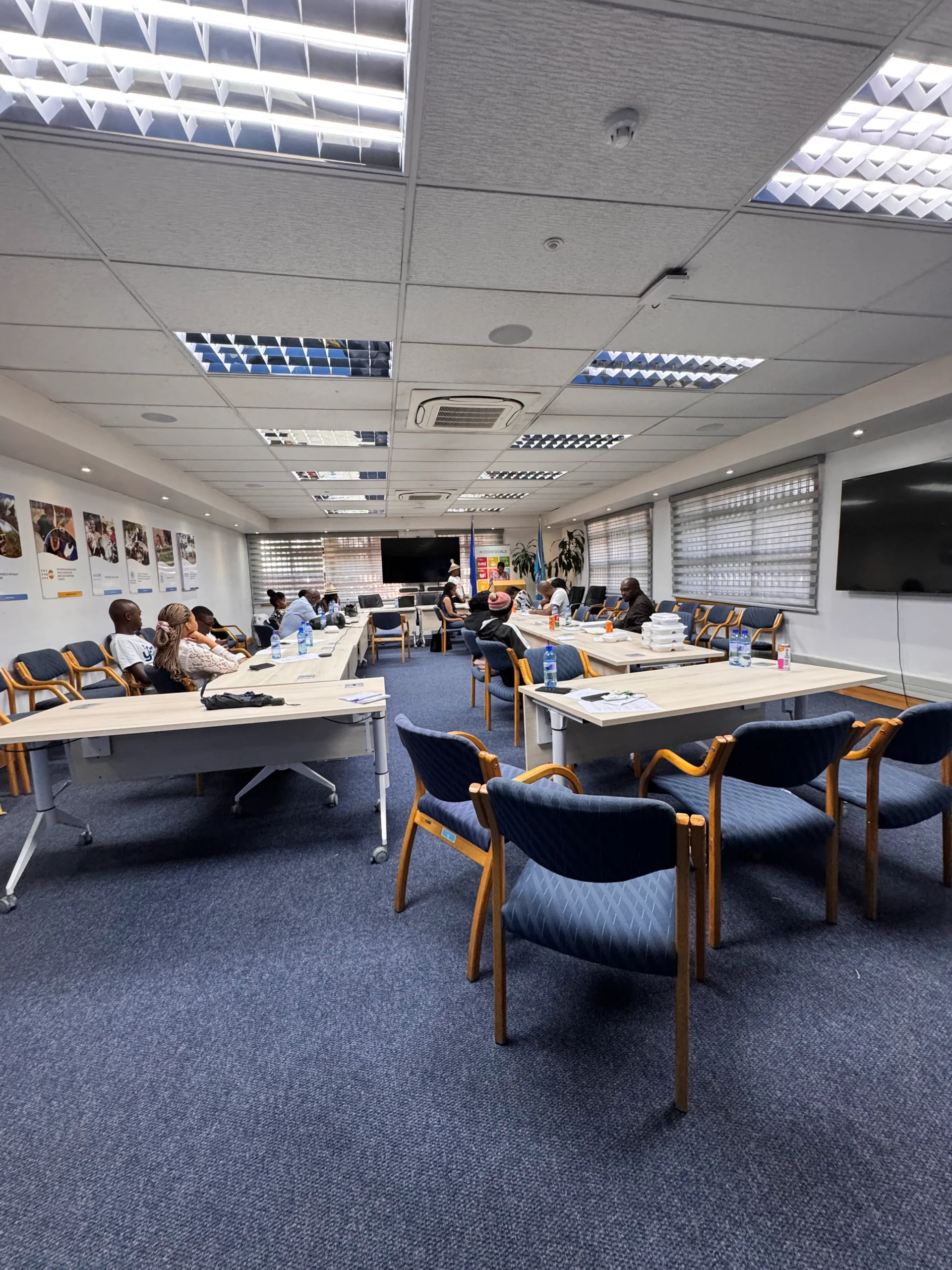
    Participants at the CSW70 National Youth Consultation in Maseru
    Participants at the national youth consultation on access to justice for women and girls.

    Who participated

    The consultation brought together 30 people: 18 women and 12 men. One participant was under the age of 18, 14 were young women or youth aged 18–35, and 15 were women’s rights allies above the youth age bracket. Half of the participants were from urban Maseru, with others representing peri-urban communities in Berea and Leribe and rural communities in Mafeteng.

    Participants30voices in the consultation
    Thematic groups5areas of justice examined
    Top priorities3recommendations for action

    This mix was important because access to justice is experienced differently across age groups and locations. A service that is technically available in Maseru may remain inaccessible to someone who must travel from a rural community, cannot afford transport, lacks documentation or requires communication support. The consultation therefore treated inclusion as a practical question rather than a general aspiration.

    Why the consultation was needed

    Lesotho has laws and institutions intended to protect women and children, but participants identified a persistent gap between formal protection and lived experience. Justice processes can be slow, intimidating, expensive or geographically inaccessible. In GBV and sexual-abuse matters, stigma, victim-blaming, poor evidence handling and weak confidentiality can discourage reporting or expose survivors to secondary harm.

    Access to justice is more than entering a courtroom

    Meaningful access includes knowing one’s rights, being able to report safely, receiving respectful and timely assistance, accessing health and psychosocial support, obtaining legal advice, participating in a process without discrimination and receiving a remedy that responds to the harm experienced.

    Adolescent girls may face additional restrictions when guardian consent is required before they can seek assistance, particularly where the alleged abuse occurred within the family. Women and girls in rural areas can face long distances to police stations, courts, shelters and legal-aid services. Poverty and economic dependence can further narrow the choices available to a person deciding whether to pursue a case.

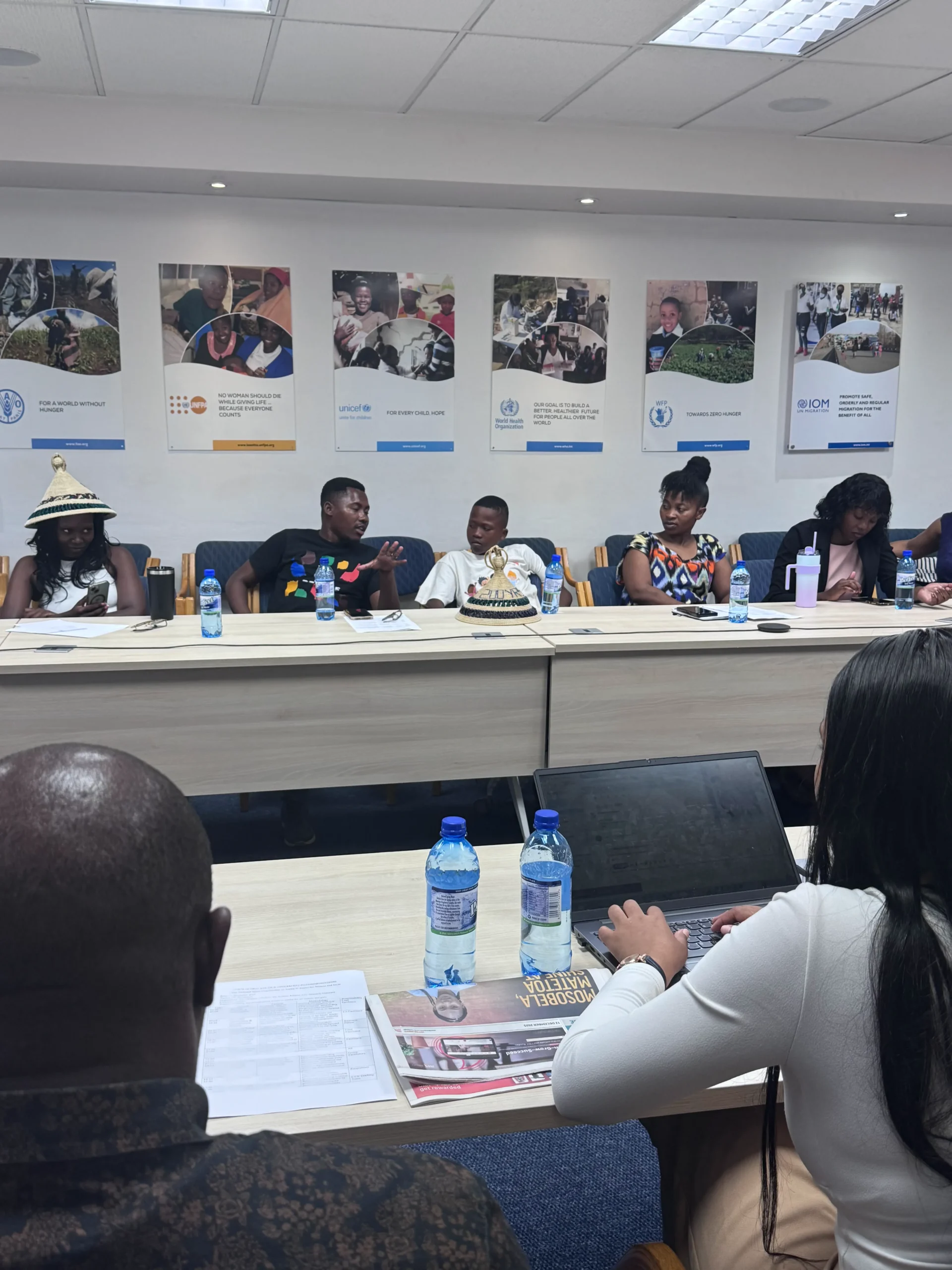
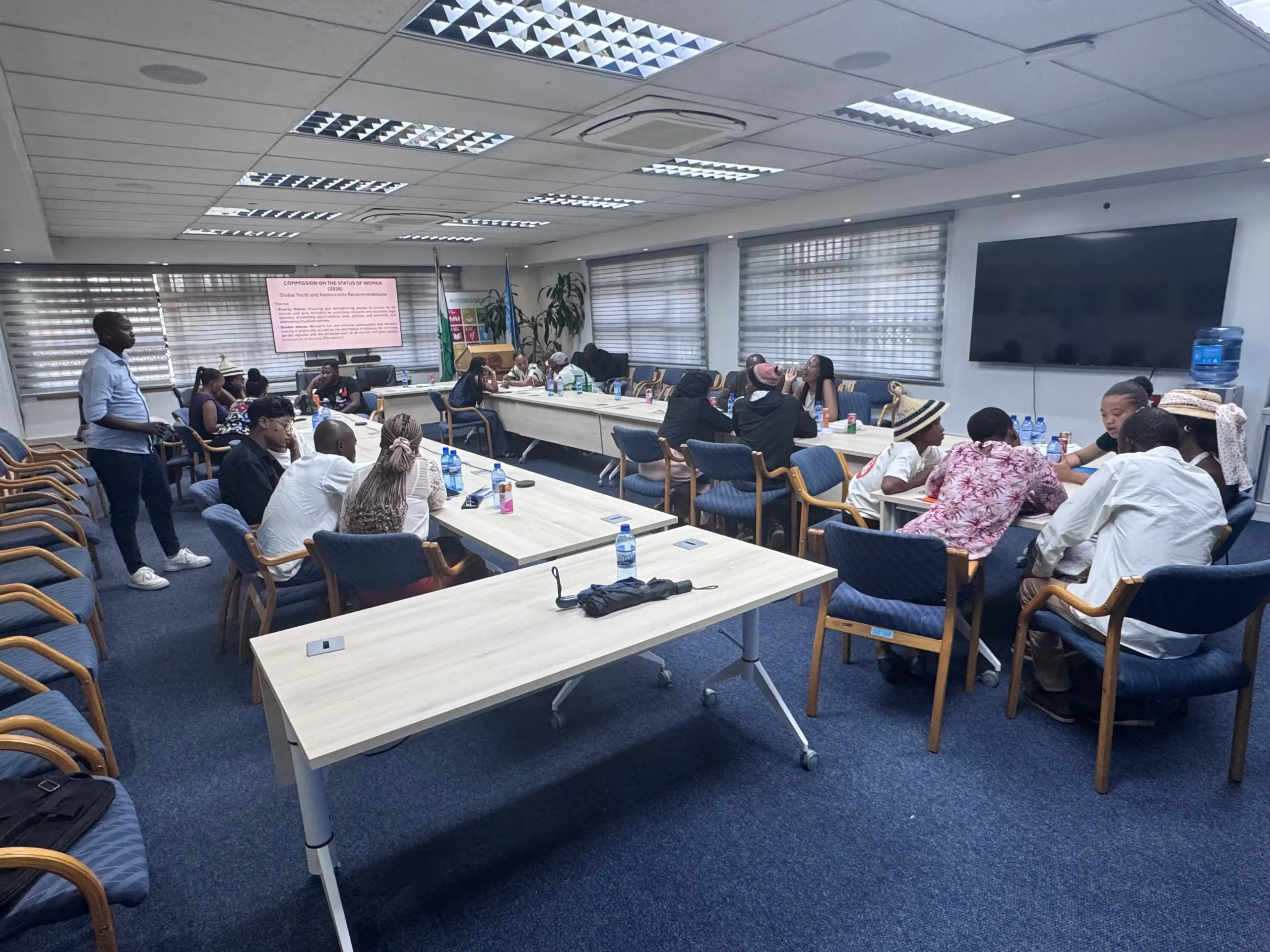
    Youth participants discussing access to justice for women and girls
    Youth participants discuss barriers that affect women and girls.
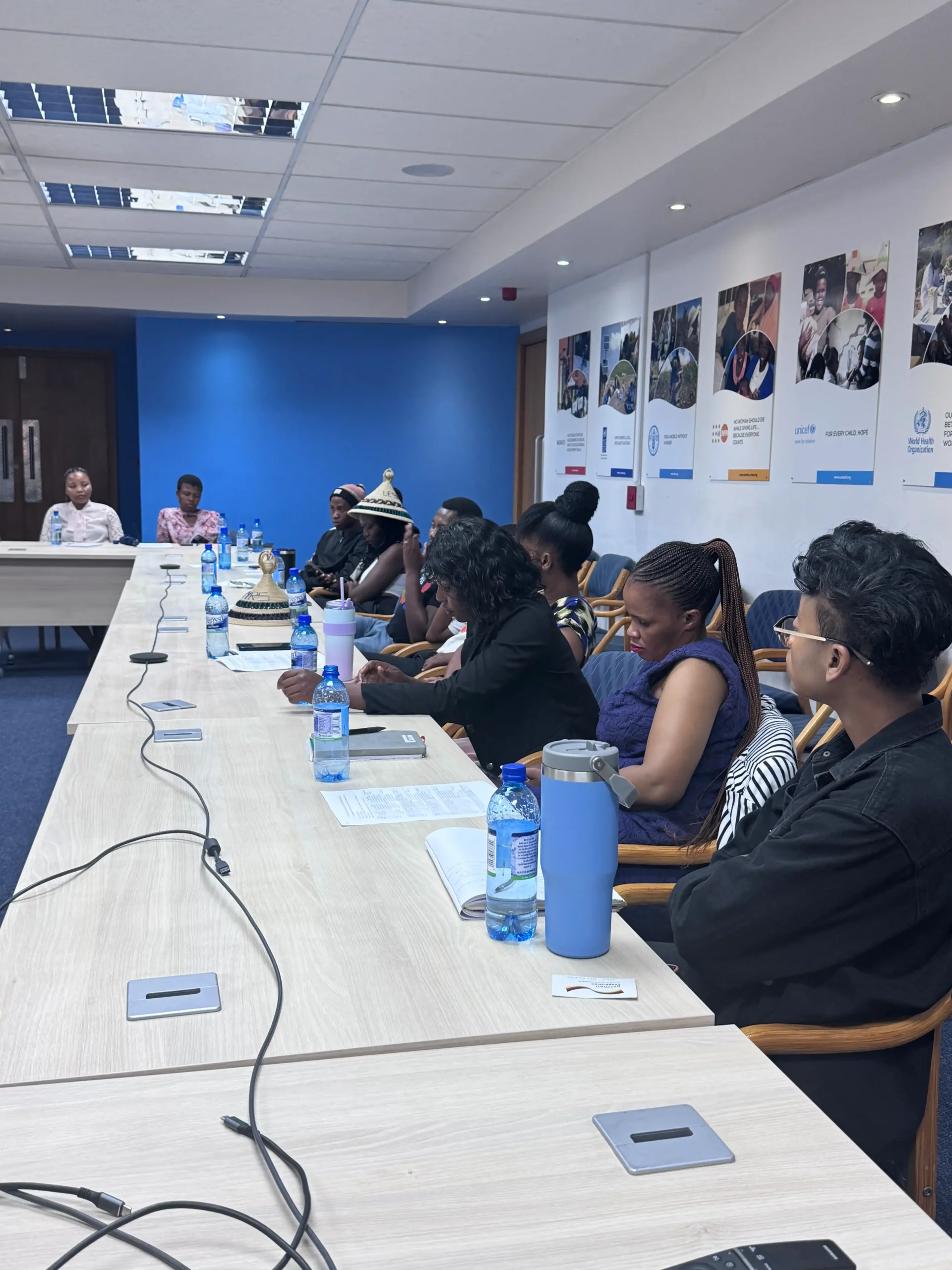
    Small-group discussion during the CSW70 consultation
    Small-group work enabled focused discussion of justice issues.

    Five areas examined by participants

    Laws and policies

    Participants discussed guardian-consent requirements, inconsistencies between child-protection and age-based consent rules, discriminatory school practices related to pregnancy, weak enforcement of women’s marital and property rights and harmful conduct for which survivors may carry the burden of seeking redress.

    Justice institutions and practices

    Discussion covered limited resources, intimidating procedures, inadequate training on GBV and adolescent-sensitive justice, weak evidence handling, lack of privacy and unclear accountability when police, prosecution or court processes fail survivors.

    Services and remedies

    Participants considered the concentration of shelters, psychosocial support and legal aid in urban areas, alongside the cost, travel, documentation and stigma barriers that make services difficult to reach. They emphasised health care, legal representation, education and livelihood support as connected elements of an effective remedy.

    Legal empowerment

    Limited knowledge of rights and referral pathways was identified as a major barrier. Community legal clinics, youth or peer paralegals, school-based rights education, better helplines and accessible legal information were discussed as practical ways to strengthen confidence and early access to support.

    Digital and disability-inclusive justice

    High data costs, limited devices, poor network coverage, low digital literacy and weak privacy safeguards can exclude women and girls from digital services. Physical barriers, inaccessible information and the absence of assistive technologies can similarly prevent persons with disabilities from participating equally in justice processes.

    What participants identified as barriers

    One concern was the way pregnancy can be treated within education systems. Participants raised practices that frame rape or sexual exploitation simply as “teenage pregnancy,” punish girls through exclusion or humiliation and fail to investigate the conduct of perpetrators. This can undermine both access to justice and the right to education.

    Participants also drew attention to the capacity of justice institutions. Poorly resourced police stations, courts and prosecution services may struggle to provide private consultation space, timely follow-up, specialist officers or consistent case management. In sexual-violence cases, weaknesses in evidence handling can directly affect whether a matter proceeds and whether a survivor has confidence in the process.

    Services and remedies were another central concern. Shelters, safe accommodation, psychosocial support and legal aid remain limited outside urban centres. Even where a service exists, transport costs, fear of stigma, language, documentation requirements and economic dependence can make it unreachable. Participants stressed that justice should connect legal outcomes with the health, safety, education and livelihood support needed for recovery.

    Three recommendations for action

    Reform and enforce laws and policies

    Remove barriers that prevent women and adolescents from seeking justice independently; harmonise child-protection, consent and legal-capacity rules; prohibit discriminatory school responses to pregnancy; and enforce women’s marital, property and economic rights. Reform must include clear implementation measures so that protection exists in practice as well as on paper.

    Strengthen survivor-centred institutions and services

    Resource and train police, prosecutors, magistrates, judges and service providers to deliver adolescent-sensitive, disability-inclusive and confidential justice. Expand shelters, psychosocial support and legal aid, particularly in rural areas, and establish clear standards, referral pathways and responsibility for survivor follow-up.

    Invest in legal empowerment and inclusive access

    Support youth-friendly legal information, community legal clinics, peer and youth paralegals and school-based rights education. Expand digital access alongside cyber-security and data-protection safeguards, and ensure that justice buildings, services and information are accessible to persons with disabilities.

    Participants presenting recommendations during the CSW70 consultation
    Participants present and validate recommendations emerging from thematic discussions.

    A participatory and safeguarded methodology

    The workshop ran from 08:00 to 18:00 and combined plenary discussion with five thematic working groups. Plenary sessions introduced the CSW70 priority theme, established the national context and allowed the full group to validate emerging findings. Small-group discussions created time for deeper examination of specific legal, institutional, service, empowerment and inclusion issues.

    Facilitators used guiding questions that asked what prevents women and girls from accessing justice; which laws or policies create exclusion; which institutional practices cause delay or secondary harm; what remedies matter to survivors; and how legal information, digital tools, disability inclusion, data and accountability can be improved.

    Safeguarding participation

    Participation was voluntary and discussion focused on systemic and structural issues rather than requiring personal case disclosure. Participants were reminded about confidentiality, and rapporteur notes did not record identifying information. No individual was required to share a personal experience.

    From Lesotho’s experience to global advocacy

    The consultation generated locally grounded evidence for the CSW70 youth process while also producing a practical national agenda. Its recommendations speak to legal reform, the capacity of justice institutions, the quality and reach of survivor services, legal empowerment, digital safety and disability inclusion.

    The process also demonstrated the value of connecting global policy spaces to national and community realities. International commitments are stronger when the people most affected can shape the evidence and priorities carried into those spaces. At the same time, a global process can create momentum for national action when recommendations are brought back to institutions, civil society and communities.

    CDSJ’s perspective: youth voices must influence justice reform

    CDSJ believes women and girls should not be treated only as beneficiaries of justice policy. Adolescents and young people have knowledge about the barriers operating in their schools, families, communities, digital spaces and public institutions, and that knowledge should shape reform.

    This self-funded consultation reflected CDSJ’s commitment to evidence-driven, people-centred programming. The next challenge is to ensure that the recommendations remain visible: strengthening laws, resourcing institutions and services, expanding legal empowerment and building justice systems that are accessible across age, location, income and disability.

    By documenting and sharing these priorities, CDSJ will continue connecting community experience with national advocacy and international policy processes so that access to justice becomes a lived reality rather than a formal promise.

    Follow CDSJ’s work on access to justice for women and girls.
    More News & Events
    Subscribe for Updates