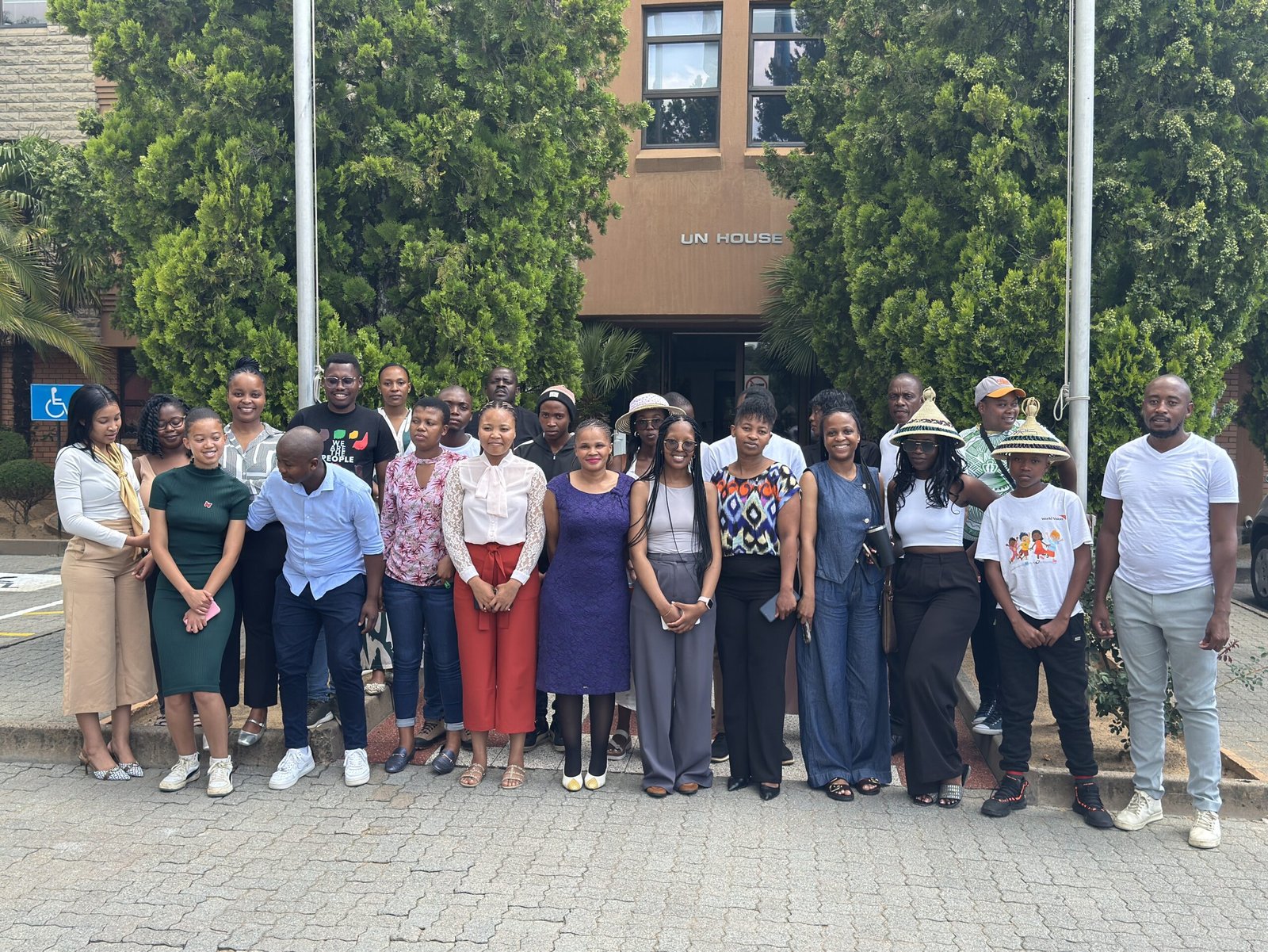
A CDSJ-led national consultation brought together 30 participants from urban, peri-urban and rural communities to ensure that Lesotho’s youth perspectives inform the CSW70 global conversation on access to justice for women and girls.
On 16 December 2025, the Centre for Development in Social Justice (CDSJ) held a one-day, in-person national youth consultation on access to justice for women and girls. Conducted in Sesotho and English, the consultation linked local experience in Lesotho to the global youth and adolescent engagement process associated with the seventieth session of the Commission on the Status of Women (CSW70).
The consultation created space for adolescent girls, young women, youth representatives and women’s rights allies to examine the barriers people encounter when seeking protection, accountability and remedies. Rather than discussing access to justice only as a legal principle, participants considered how cost, distance, age, gender norms, disability, institutional practice, limited services and digital exclusion shape whether rights can be exercised in practice.
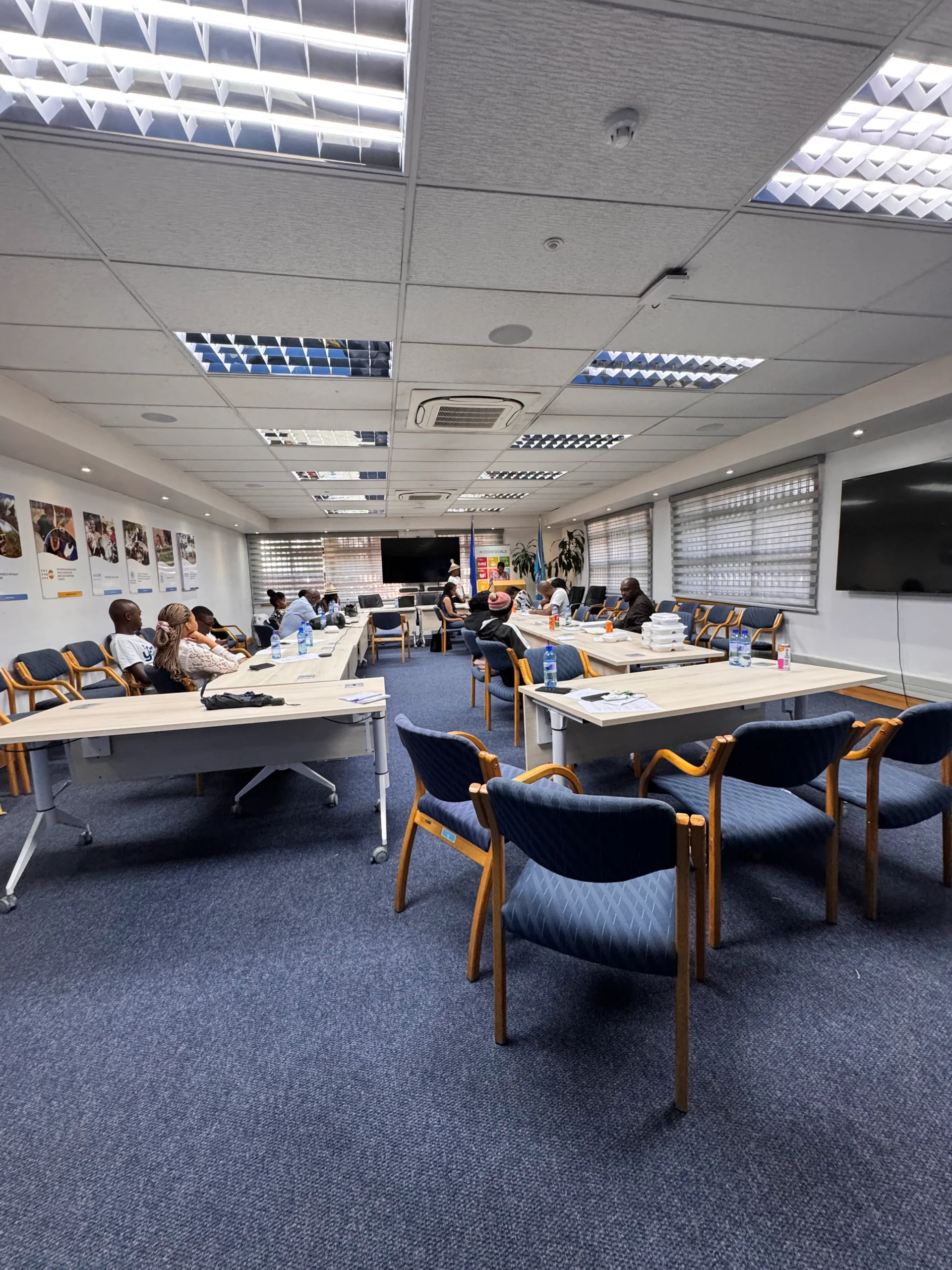
Who participated
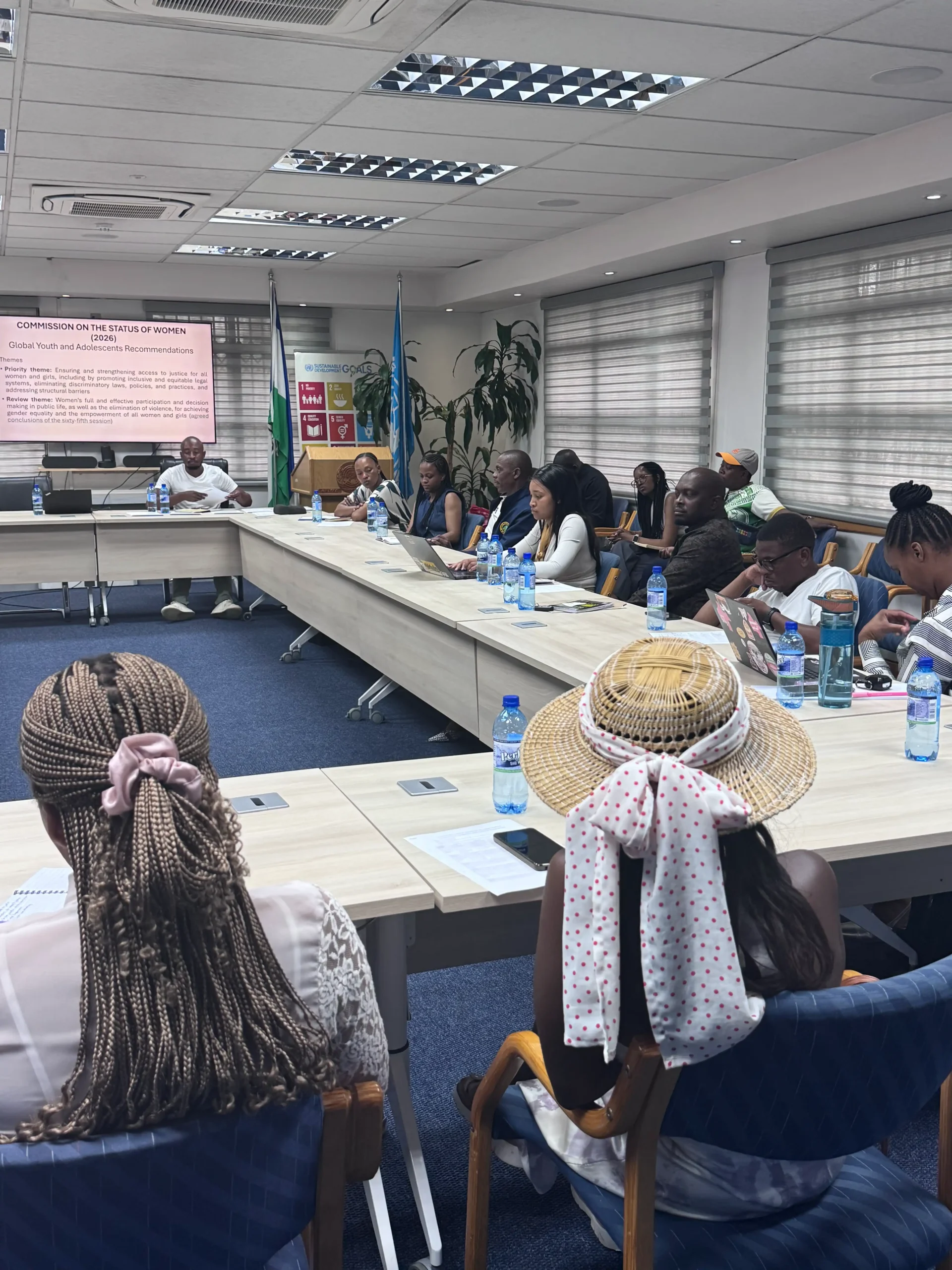
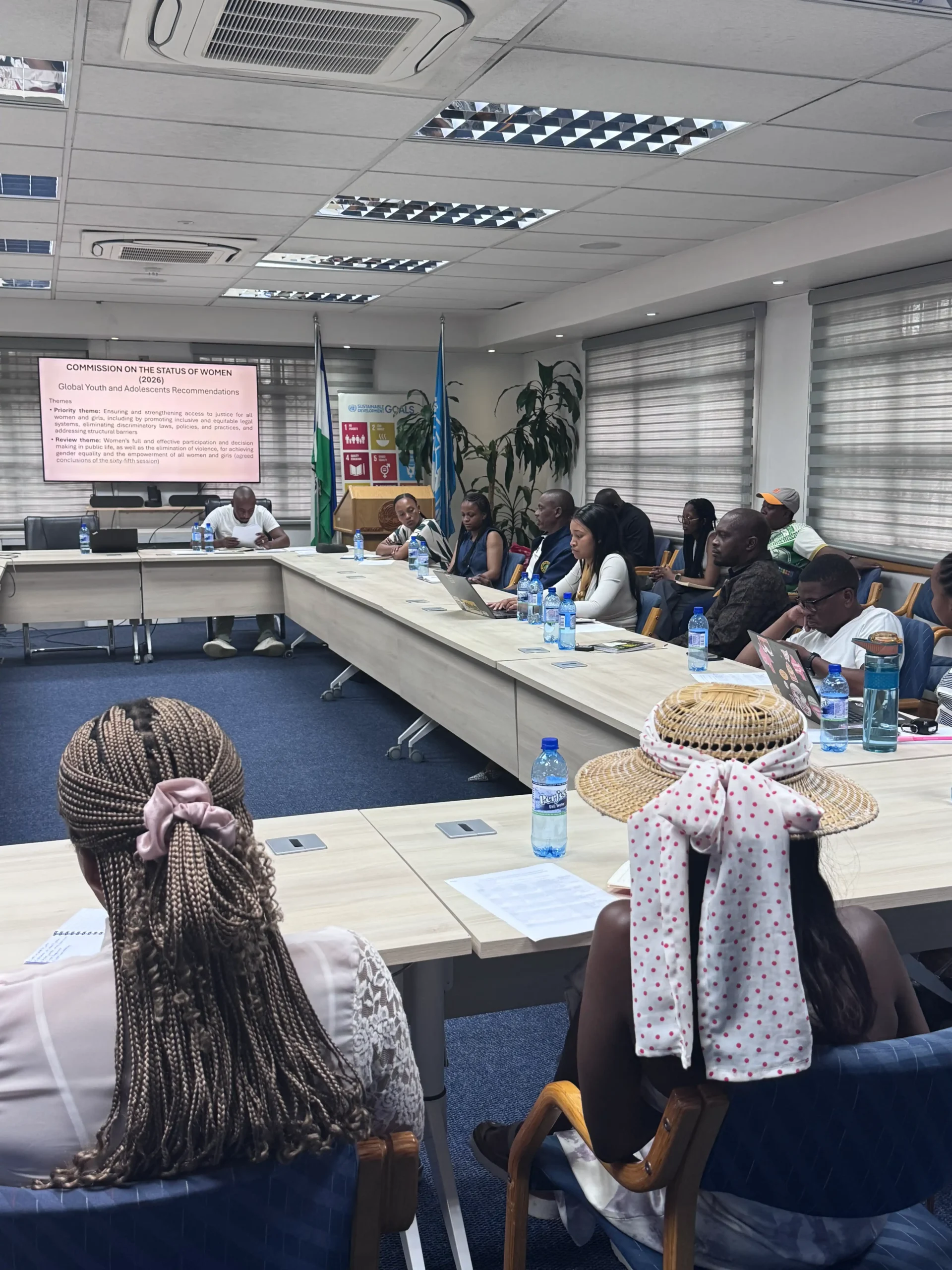
The consultation brought together 30 people: 18 women and 12 men. One participant was under the age of 18, 14 were young women or youth aged 18–35, and 15 were women’s rights allies above the youth age bracket. Half of the participants were from urban Maseru, with others representing peri-urban communities in Berea and Leribe and rural communities in Mafeteng.
This mix was important because access to justice is experienced differently across age groups and locations. A service that is technically available in Maseru may remain inaccessible to someone who must travel from a rural community, cannot afford transport, lacks documentation or requires communication support. The consultation therefore treated inclusion as a practical question rather than a general aspiration.
Why the consultation was needed
Lesotho has laws and institutions intended to protect women and children, but participants identified a persistent gap between formal protection and lived experience. Justice processes can be slow, intimidating, expensive or geographically inaccessible. In GBV and sexual-abuse matters, stigma, victim-blaming, poor evidence handling and weak confidentiality can discourage reporting or expose survivors to secondary harm.
Access to justice is more than entering a courtroom
Meaningful access includes knowing one’s rights, being able to report safely, receiving respectful and timely assistance, accessing health and psychosocial support, obtaining legal advice, participating in a process without discrimination and receiving a remedy that responds to the harm experienced.
Adolescent girls may face additional restrictions when guardian consent is required before they can seek assistance, particularly where the alleged abuse occurred within the family. Women and girls in rural areas can face long distances to police stations, courts, shelters and legal-aid services. Poverty and economic dependence can further narrow the choices available to a person deciding whether to pursue a case.
Five areas examined by participants
Laws and policies
Participants discussed guardian-consent requirements, inconsistencies between child-protection and age-based consent rules, discriminatory school practices related to pregnancy, weak enforcement of women’s marital and property rights and harmful conduct for which survivors may carry the burden of seeking redress.
Justice institutions and practices
Discussion covered limited resources, intimidating procedures, inadequate training on GBV and adolescent-sensitive justice, weak evidence handling, lack of privacy and unclear accountability when police, prosecution or court processes fail survivors.
Services and remedies
Participants considered the concentration of shelters, psychosocial support and legal aid in urban areas, alongside the cost, travel, documentation and stigma barriers that make services difficult to reach. They emphasised health care, legal representation, education and livelihood support as connected elements of an effective remedy.
Legal empowerment
Limited knowledge of rights and referral pathways was identified as a major barrier. Community legal clinics, youth or peer paralegals, school-based rights education, better helplines and accessible legal information were discussed as practical ways to strengthen confidence and early access to support.
Digital and disability-inclusive justice
High data costs, limited devices, poor network coverage, low digital literacy and weak privacy safeguards can exclude women and girls from digital services. Physical barriers, inaccessible information and the absence of assistive technologies can similarly prevent persons with disabilities from participating equally in justice processes.
What participants identified as barriers
One concern was the way pregnancy can be treated within education systems. Participants raised practices that frame rape or sexual exploitation simply as “teenage pregnancy,” punish girls through exclusion or humiliation and fail to investigate the conduct of perpetrators. This can undermine both access to justice and the right to education.
Participants also drew attention to the capacity of justice institutions. Poorly resourced police stations, courts and prosecution services may struggle to provide private consultation space, timely follow-up, specialist officers or consistent case management. In sexual-violence cases, weaknesses in evidence handling can directly affect whether a matter proceeds and whether a survivor has confidence in the process.
Services and remedies were another central concern. Shelters, safe accommodation, psychosocial support and legal aid remain limited outside urban centres. Even where a service exists, transport costs, fear of stigma, language, documentation requirements and economic dependence can make it unreachable. Participants stressed that justice should connect legal outcomes with the health, safety, education and livelihood support needed for recovery.
Three recommendations for action
Reform and enforce laws and policies
Remove barriers that prevent women and adolescents from seeking justice independently; harmonise child-protection, consent and legal-capacity rules; prohibit discriminatory school responses to pregnancy; and enforce women’s marital, property and economic rights. Reform must include clear implementation measures so that protection exists in practice as well as on paper.
Strengthen survivor-centred institutions and services
Resource and train police, prosecutors, magistrates, judges and service providers to deliver adolescent-sensitive, disability-inclusive and confidential justice. Expand shelters, psychosocial support and legal aid, particularly in rural areas, and establish clear standards, referral pathways and responsibility for survivor follow-up.
Invest in legal empowerment and inclusive access
Support youth-friendly legal information, community legal clinics, peer and youth paralegals and school-based rights education. Expand digital access alongside cyber-security and data-protection safeguards, and ensure that justice buildings, services and information are accessible to persons with disabilities.
A participatory and safeguarded methodology
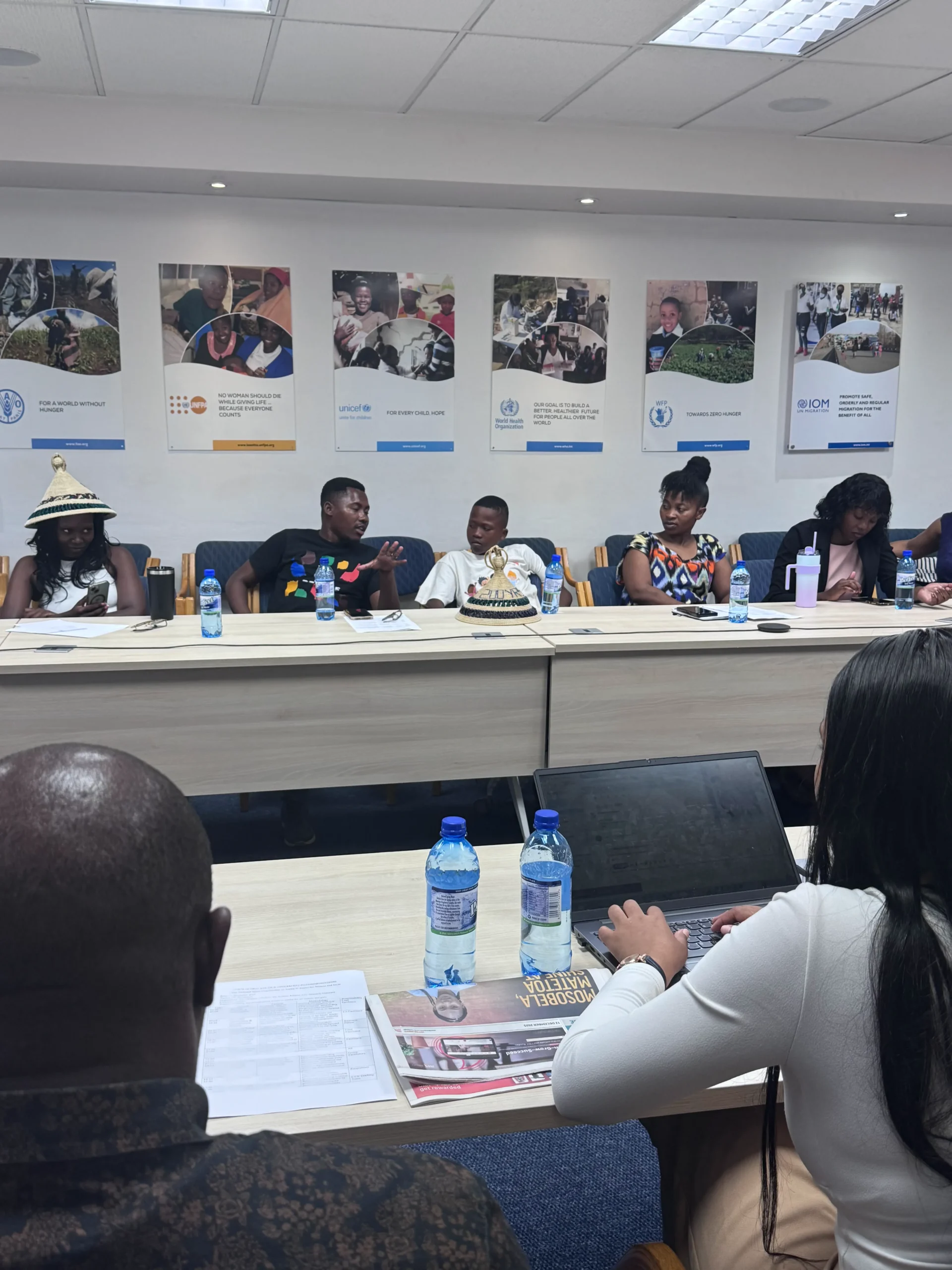
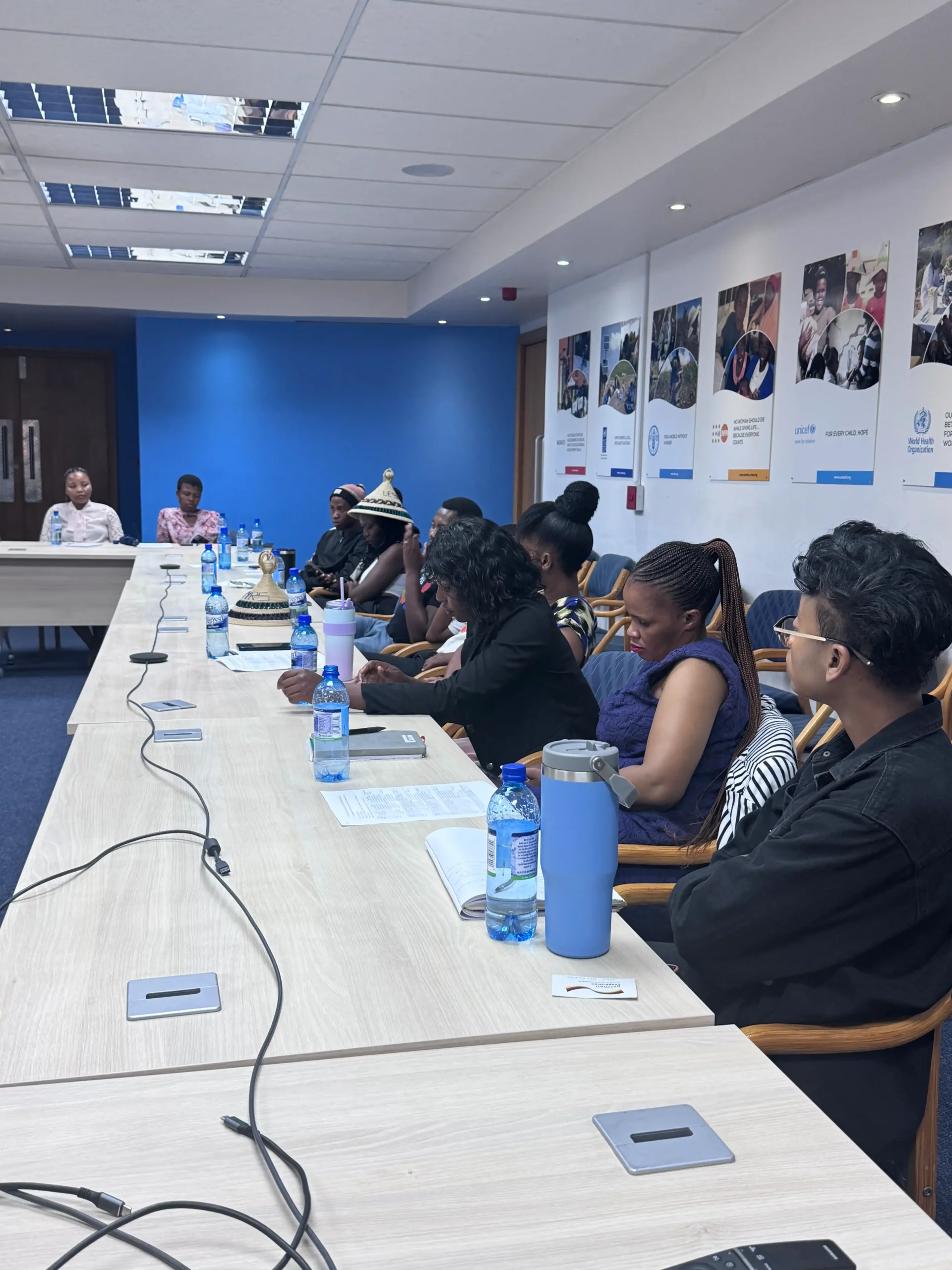
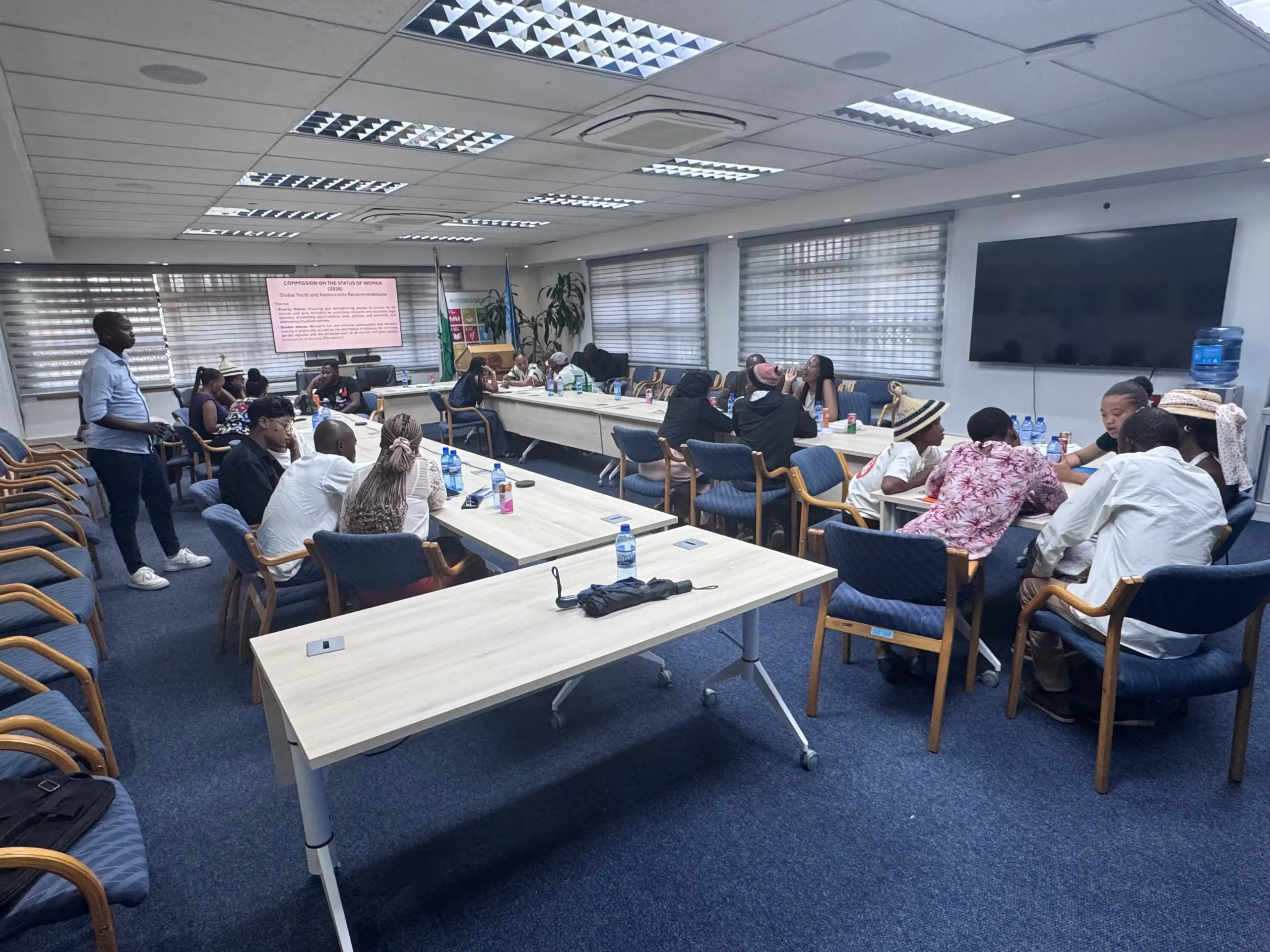
The workshop ran from 08:00 to 18:00 and combined plenary discussion with five thematic working groups. Plenary sessions introduced the CSW70 priority theme, established the national context and allowed the full group to validate emerging findings. Small-group discussions created time for deeper examination of specific legal, institutional, service, empowerment and inclusion issues.
Facilitators used guiding questions that asked what prevents women and girls from accessing justice; which laws or policies create exclusion; which institutional practices cause delay or secondary harm; what remedies matter to survivors; and how legal information, digital tools, disability inclusion, data and accountability can be improved.
Safeguarding participation
Participation was voluntary and discussion focused on systemic and structural issues rather than requiring personal case disclosure. Participants were reminded about confidentiality, and rapporteur notes did not record identifying information. No individual was required to share a personal experience.
From Lesotho’s experience to global advocacy
The consultation generated locally grounded evidence for the CSW70 youth process while also producing a practical national agenda. Its recommendations speak to legal reform, the capacity of justice institutions, the quality and reach of survivor services, legal empowerment, digital safety and disability inclusion.
The process also demonstrated the value of connecting global policy spaces to national and community realities. International commitments are stronger when the people most affected can shape the evidence and priorities carried into those spaces. At the same time, a global process can create momentum for national action when recommendations are brought back to institutions, civil society and communities.
CDSJ’s perspective: youth voices must influence justice reform
CDSJ believes women and girls should not be treated only as beneficiaries of justice policy. Adolescents and young people have knowledge about the barriers operating in their schools, families, communities, digital spaces and public institutions, and that knowledge should shape reform.
This self-funded consultation reflected CDSJ’s commitment to evidence-driven, people-centred programming. The next challenge is to ensure that the recommendations remain visible: strengthening laws, resourcing institutions and services, expanding legal empowerment and building justice systems that are accessible across age, location, income and disability.
By documenting and sharing these priorities, CDSJ will continue connecting community experience with national advocacy and international policy processes so that access to justice becomes a lived reality rather than a formal promise.
Leave a Reply