Tag: Access to Justice

  • Strengthening Lesotho’s Coordinated Response to GBV: CDSJ Participates in Anti-GBV Coordination Forum Reconstitution Meeting

    Strengthening Lesotho’s Coordinated Response to GBV: CDSJ Participates in Anti-GBV Coordination Forum Reconstitution Meeting

    CDSJ joined government, justice-sector institutions and civil-society partners at a Ministry of Gender-convened meeting to reconstitute Lesotho’s Anti-GBV Coordination Forum and strengthen a coordinated, survivor-centred national response.

    Date3 September 2026
    Convened byMinistry of Gender
    FocusNational GBV coordination

    On 3 September 2026, the Centre for Development in Social Justice (CDSJ) joined government institutions, justice-sector actors and civil-society organisations for the reconstitution of Lesotho’s Anti-Gender-Based Violence Coordination Forum. The meeting was called and convened by the Ministry of Gender as part of efforts to create a stronger, more coherent national mechanism for preventing and responding to gender-based violence (GBV).

    Mr. Ntheka Matobo of the Ministry of Gender delivered the welcome remarks. Dr. Mosiuoa Ramakoele led the presentation on the Coordination Forum, guiding participants through its history, intended purpose, proposed structure and the responsibilities required to make it operational and sustainable.
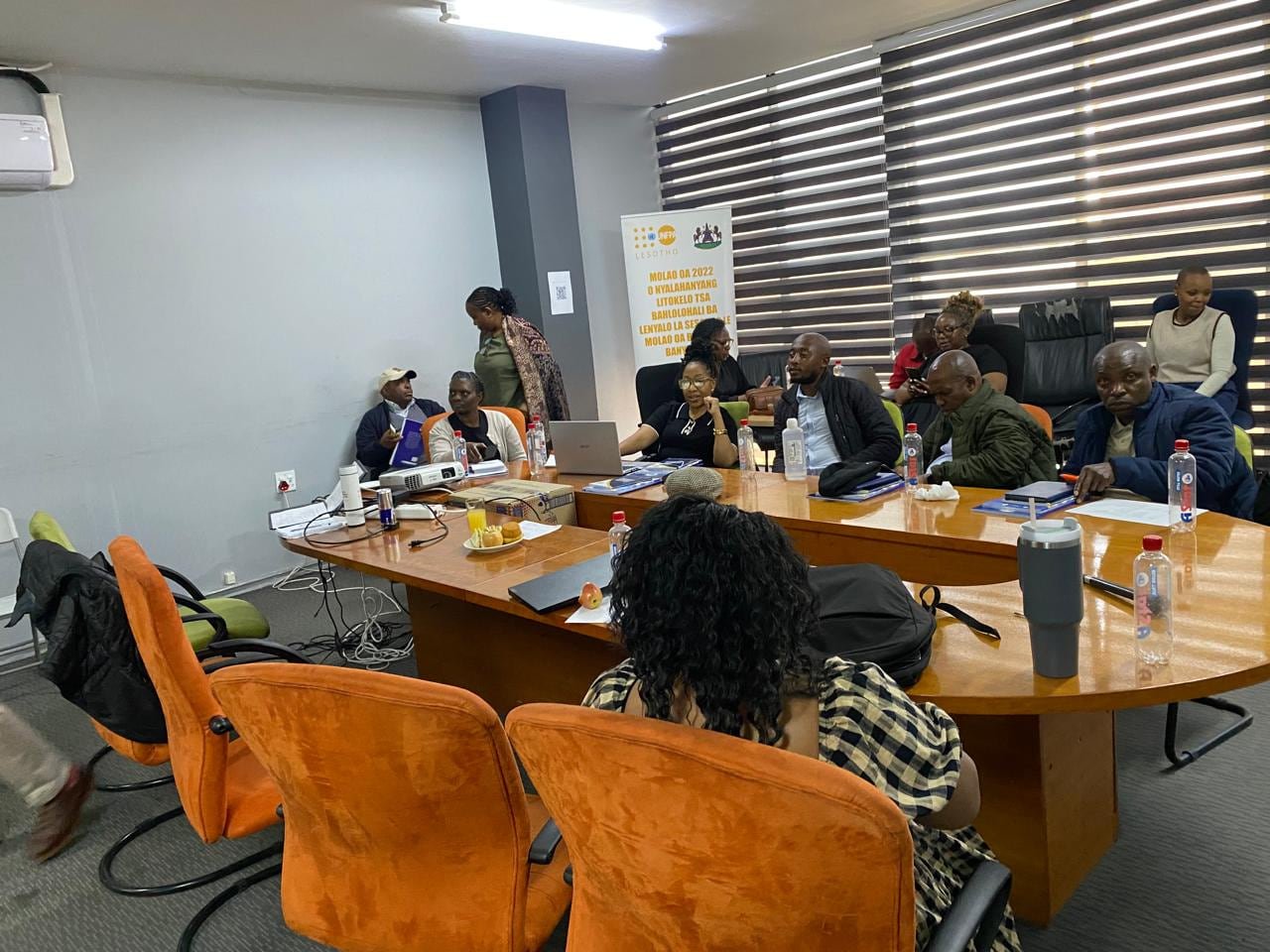
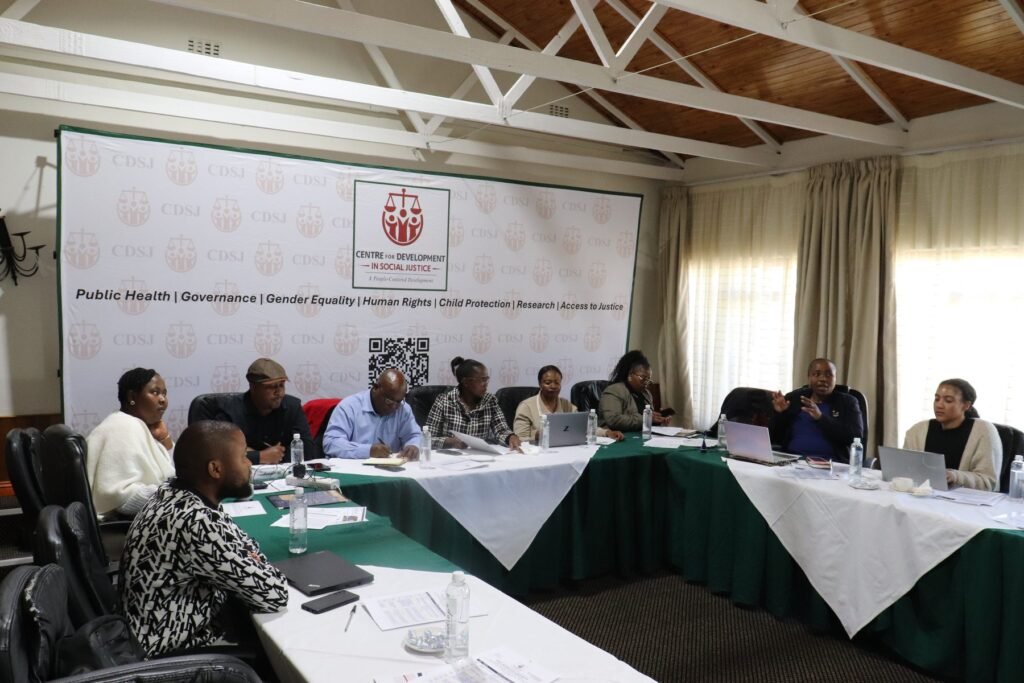
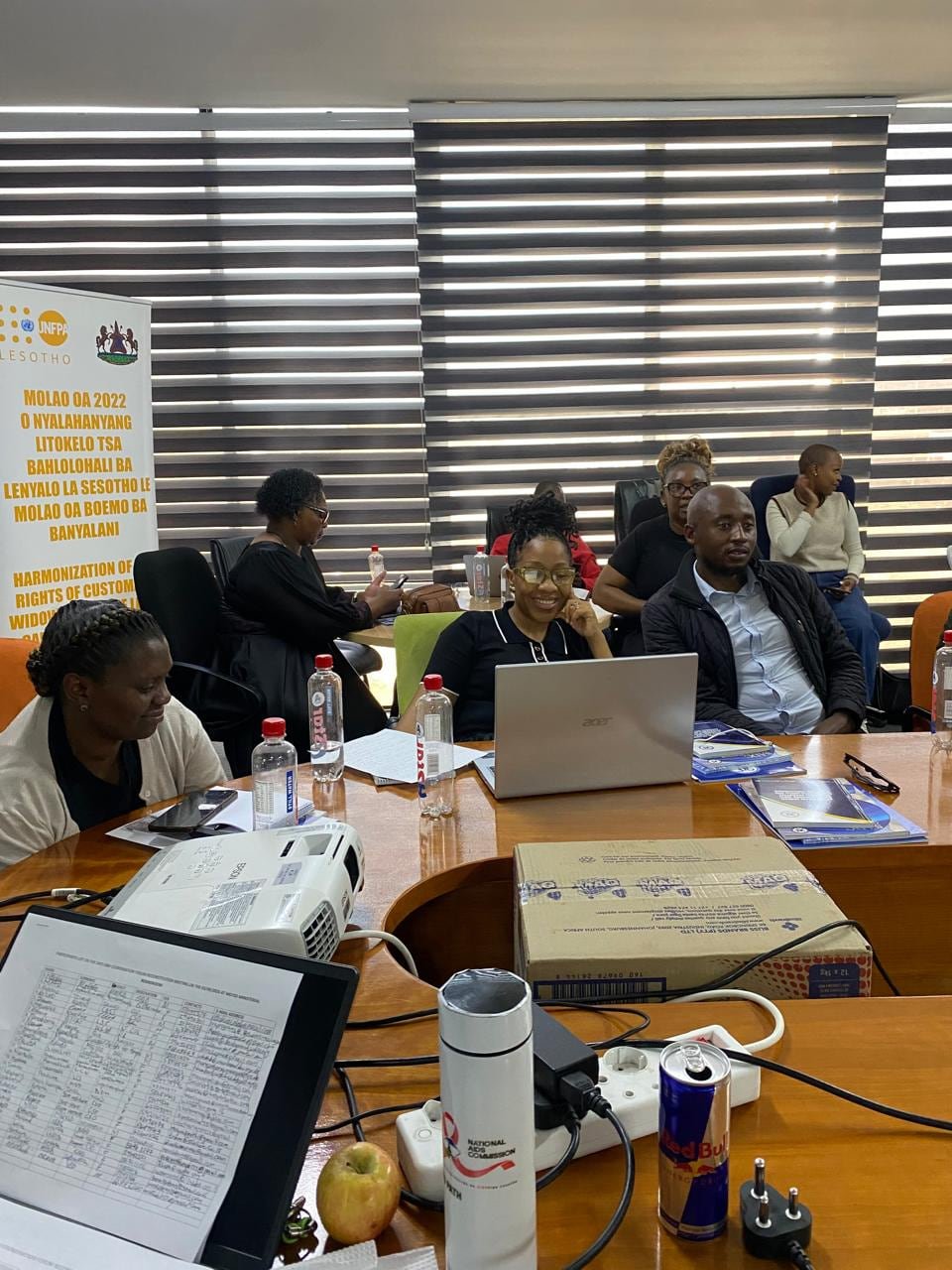
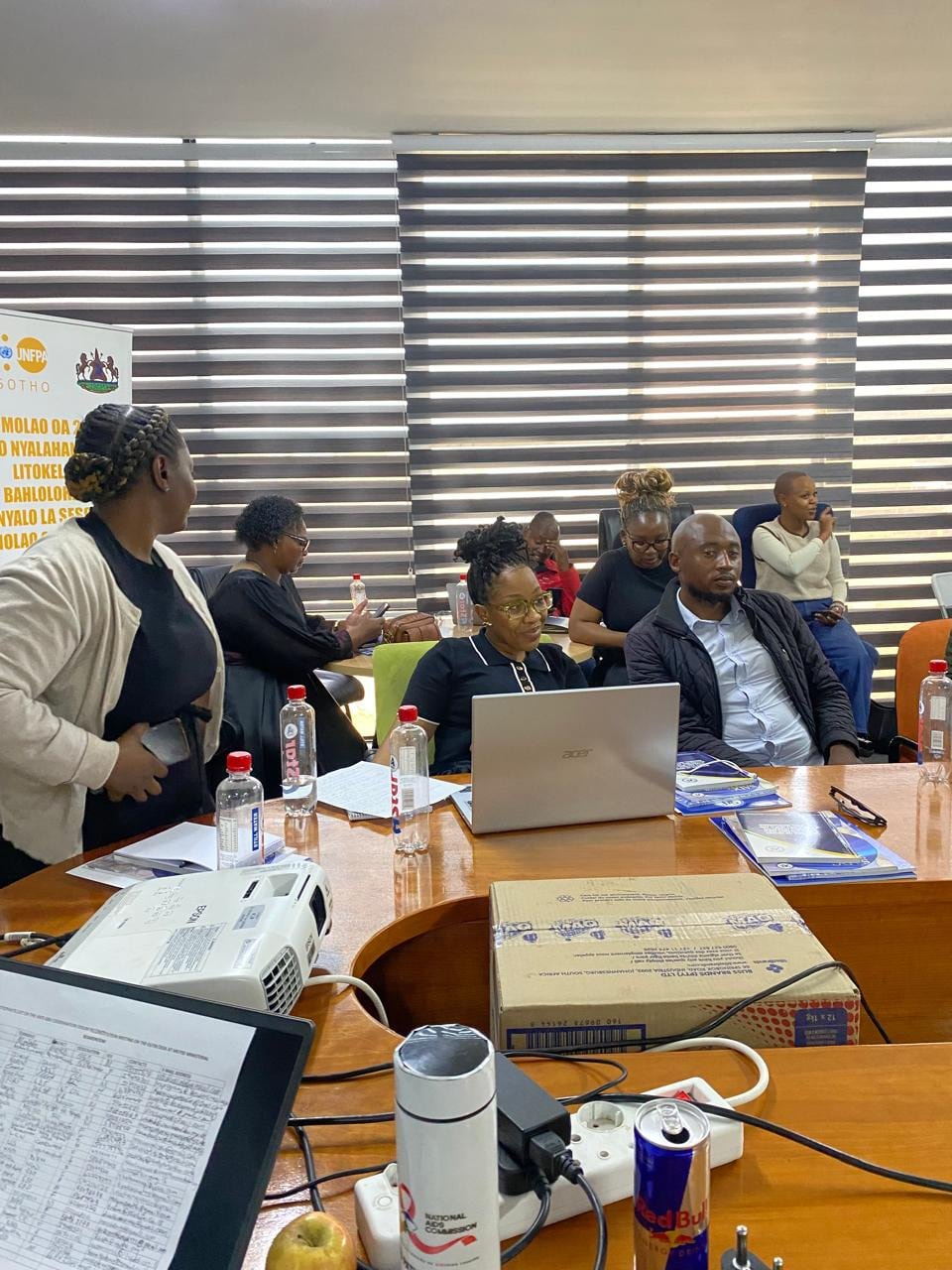
    Government and civil-society participants at the Anti-GBV Coordination Forum meeting
    Government, justice-sector and civil-society representatives participating in the Anti-GBV Coordination Forum Reconstitution Meeting.

    Rebuilding a national coordination mechanism

    The presentation situated the Forum within a longer national process. It traced the call for an Anti-GBV coordination mechanism to the 2013 GBV Indicator Study, followed by the establishment of the Forum in 2019. The Forum was described as having entered a period of dormancy between 2021 and 2024, before reactivation efforts began in 2025 and the current reconstitution process was undertaken in 2026.

    Why coordination matters

    Survivors often encounter several systems—including health services, the police, courts, correctional services, social-development structures and community organisations. When these systems work in isolation, referrals can break down, responsibilities can become unclear and important cases can fall through institutional gaps.

    The meeting therefore focused on rebuilding a Forum capable of providing a common framework for GBV prevention and response, reducing duplication among stakeholders, strengthening cooperation, supporting evidence-informed action and improving coordination at both national and district levels.
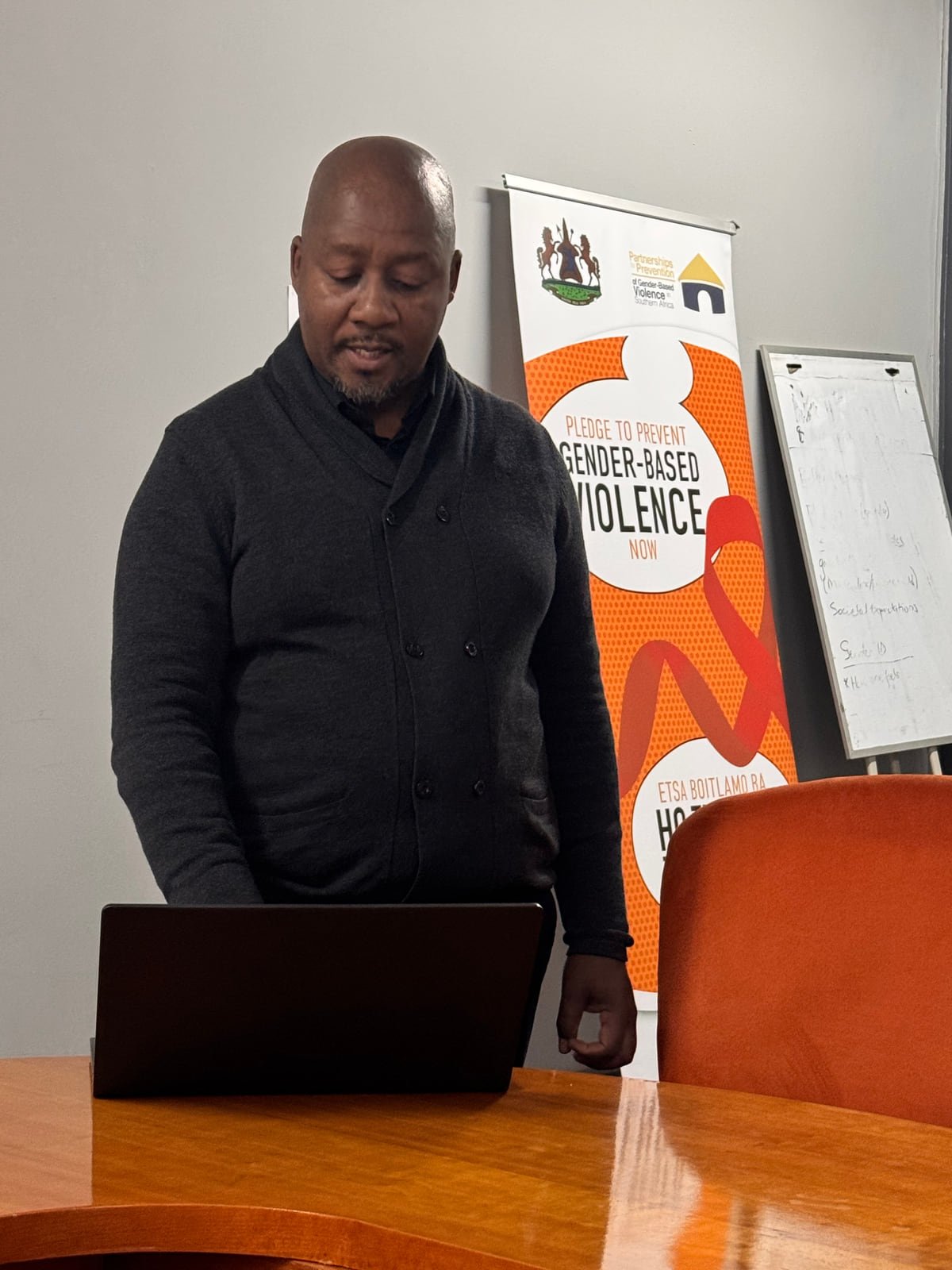
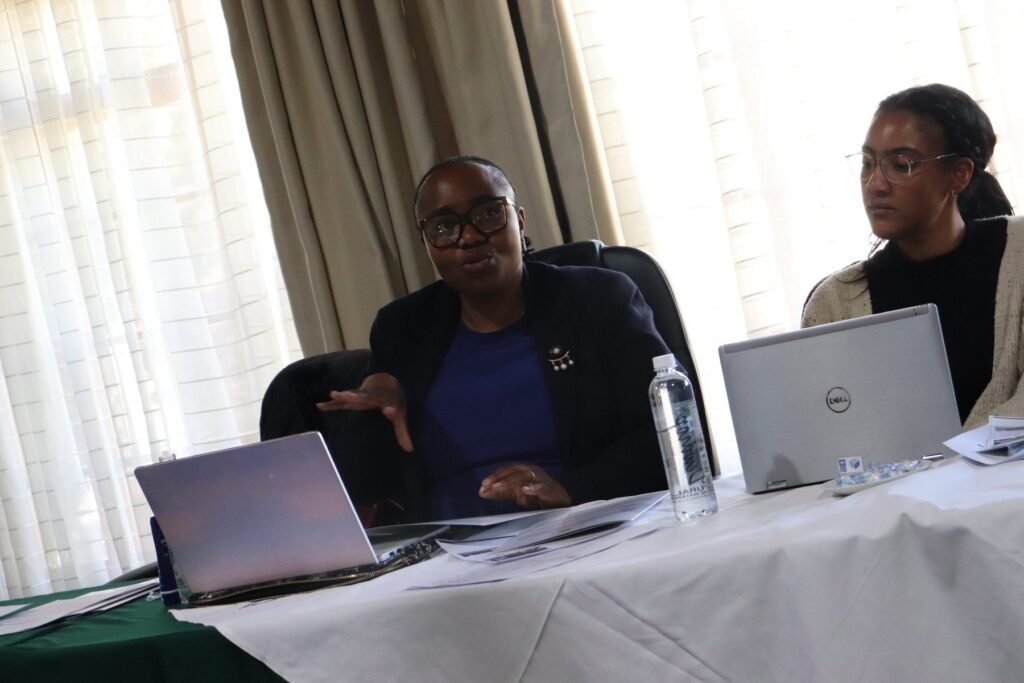
    Presentation during the Anti-GBV Coordination Forum Reconstitution Meeting
    A presentation during the Anti-GBV Coordination Forum Reconstitution Meeting.
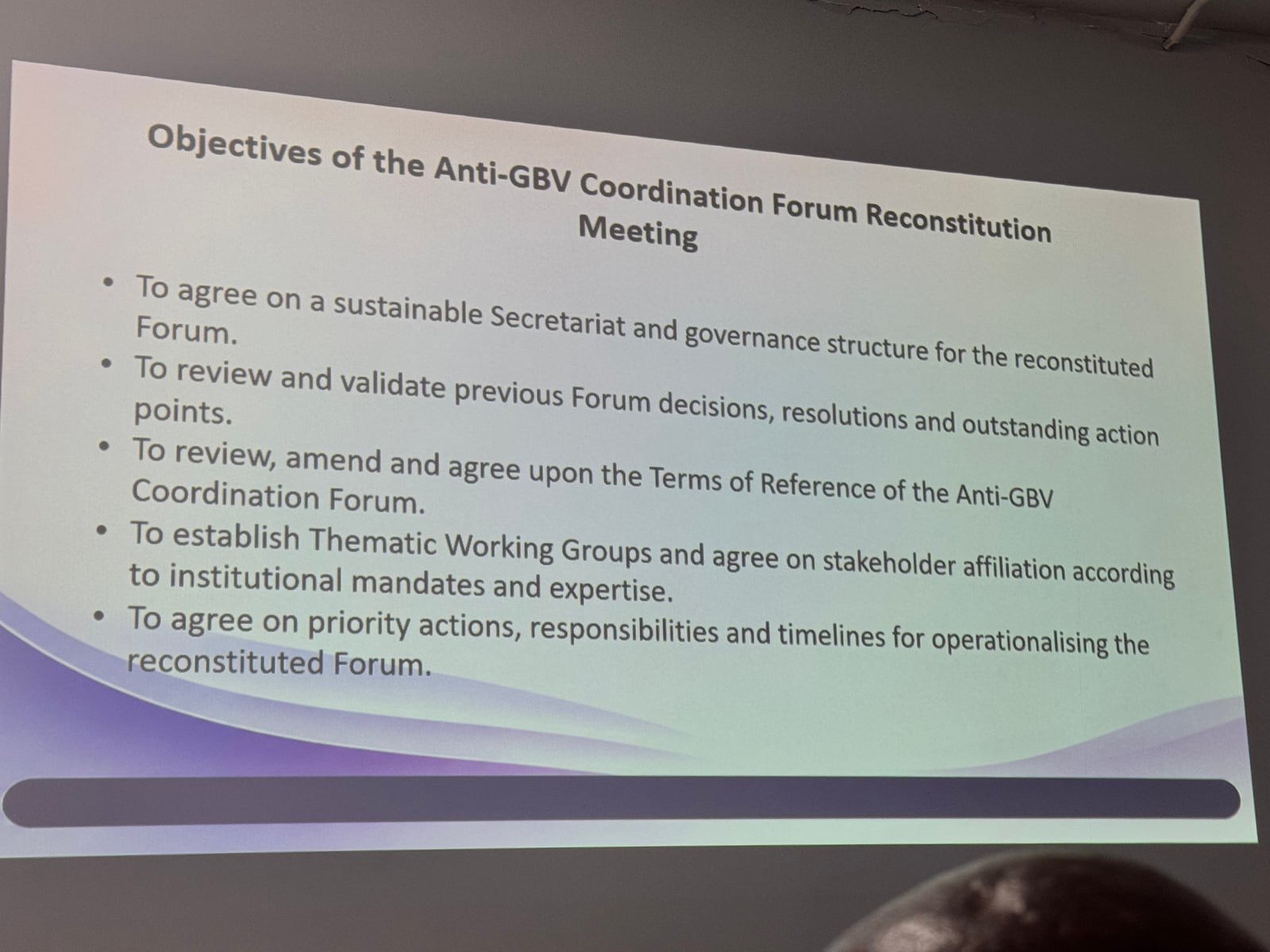
    Slide outlining objectives of the Anti-GBV Coordination Forum Reconstitution Meeting
    Meeting objectives included strengthening governance, reviewing earlier resolutions, refining the Terms of Reference and organising thematic working groups.

    From a Forum on paper to a working system

    The meeting’s objectives included agreeing on a sustainable secretariat and governance structure; reviewing decisions, resolutions and outstanding actions from earlier Forum meetings; reviewing and refining the Forum’s Terms of Reference; establishing thematic working groups; and identifying priority actions, responsibilities and timelines for implementation.

    Participants considered the Forum’s purpose, membership, representation, leadership arrangements and institutional responsibilities. The proposed composition brings together the Ministry responsible for Gender, relevant line ministries, development partners and civil-society stakeholders. The structure presented for discussion included a permanent chair, a rotating advisory board, thematic working groups and district-level Gender Technical Committees.
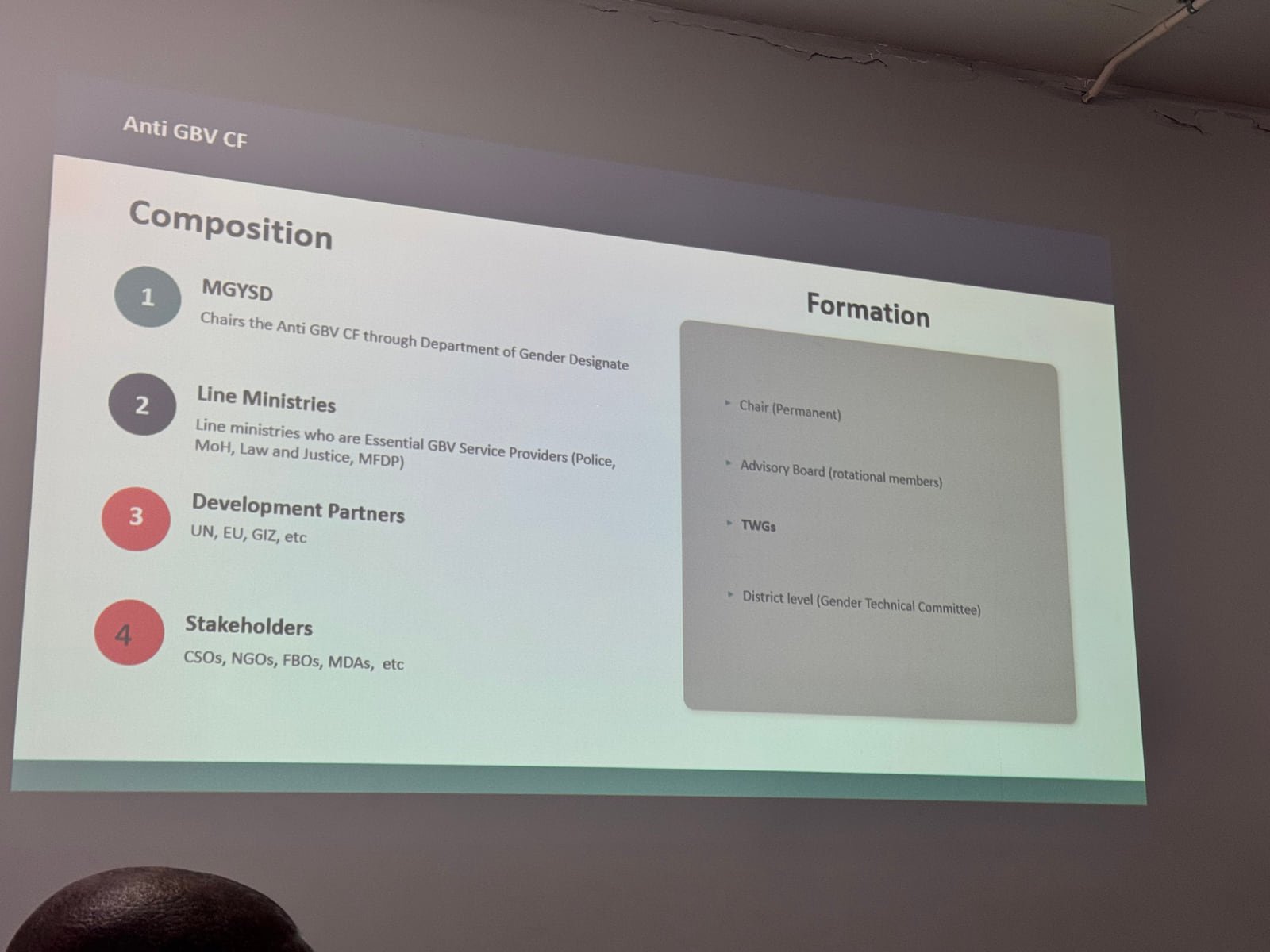
    Slide showing the proposed composition and structure of the Anti-GBV Coordination Forum
    The proposed Forum structure brings together government, relevant line ministries, development partners and civil-society stakeholders.

    The presentation also emphasised that leadership of the Forum should involve more than convening meetings. Its responsibilities should include aligning Forum activities with national GBV policies and strategies, following up on decisions, facilitating information sharing and joint planning, promoting survivor-centred and rights-based advocacy, strengthening referral systems and maintaining regular reporting.

    Turning discussion into accountable follow-through

    The agenda was deliberately organised around continuity and implementation rather than beginning the process afresh. Participants received rapporteur reports from the previous two Anti-GBV Coordination Forum meetings, with attention to issues already discussed, decisions and resolutions taken, progress made and actions that remain outstanding. This provided a basis for testing the proposed Terms of Reference against earlier commitments and institutional experience.

    The second part of the meeting created space for questions, clarification and reflection on the draft Terms of Reference before participants considered which institutions could contribute to the proposed thematic working groups. The closing session focused on agreed actions, the institutions or people responsible, implementation timelines and arrangements for the next Forum meeting.

    This sequence is important because effective coordination depends on a visible chain from discussion to decision, from decision to assigned responsibility, and from responsibility to monitored action. Regular reporting and follow-up can help the Forum maintain momentum and ensure that commitments translate into practical improvements for survivors and communities.

    Gendered justice concerns must form part of the response

    A concern raised in the opening remarks

    The opening remarks drew attention to the gendered operation of the criminal justice system in pregnancy- and child-related cases involving women and girls. This intersects directly with CDSJ’s growing work on situations in which criminal responsibility can be applied in a one-sided manner, leaving women and girls to carry disproportionate legal and social consequences.

    For CDSJ, this discussion is significant because GBV coordination must address not only individual acts of violence but also institutional practices that may reproduce gender inequality. A survivor-centred and rights-based response requires careful attention to how laws are interpreted, how cases are investigated and prosecuted, whose conduct is scrutinised and whether women and girls can access justice without discrimination.

    Bringing this concern into a national coordination forum creates an important opportunity for justice institutions, government departments and civil-society organisations to examine gaps collectively and pursue responses that are both legally accountable and gender-responsive.

    Broad participation across sectors

    The meeting brought together representatives from CDSJ, Women and Law in Southern Africa (WLSA), Seinoli, Lesotho Correctional Services, the Ministry of Gender, the Lesotho Council of NGOs, Gender Links Lesotho, Help Lesotho, the Magistracy, Sesotho Media, the International Human Rights Lab and the Lesotho National Federation of Organisations of the Disabled (LNFOD).

    The breadth of participation reflected the cross-sectoral nature of GBV prevention and response. Government institutions bring statutory mandates and public-service responsibilities; justice actors influence protection, investigation and accountability; and civil-society organisations contribute community knowledge, specialised services, advocacy, monitoring and direct engagement with people affected by violence and discrimination.

    The participation of disability-rights and media organisations also gives the Forum an opportunity to strengthen accessibility and public communication. Effective coordination should make information, referral pathways and services understandable and reachable for people with different needs, while supporting responsible reporting that protects dignity and does not reinforce stigma.
    CDSJ’s perspective: an important opportunity for the sector

    CDSJ welcomes the Ministry of Gender’s initiative. The reconstitution of the Forum represents an important opportunity for Lesotho’s GBV sector to move from fragmented interventions towards shared direction, clearer responsibilities and stronger accountability.

    The value of the Forum will ultimately be measured by whether coordination produces real improvements: functioning referral pathways, timely institutional follow-up, effective thematic working groups, stronger district-level action and services that survivors can access with dignity and confidence.

    CDSJ also believes the Forum should create space to confront difficult structural concerns, including the gendered treatment of women and girls in criminal cases connected to pregnancy and child-related matters. Addressing these gaps requires government, justice institutions and civil society to examine how laws and institutional practices operate in people’s lives and to pursue reforms that are accountable, gender-responsive and grounded in human rights.

    CDSJ is ready to contribute community experience, evidence and rights-based analysis to this collective effort. A functional Forum can strengthen not only Lesotho’s response to GBV, but also the sector’s capacity to prevent violence and challenge the inequalities that sustain it.
    Follow CDSJ’s work on gender equality, human rights and access to justice.
    More News & Events
    Subscribe for Updates
  • Mohale FM Interview: TFGBV Prosecution and One-Sided Criminal Liability

    Mohale FM Interview: TFGBV Prosecution and One-Sided Criminal Liability

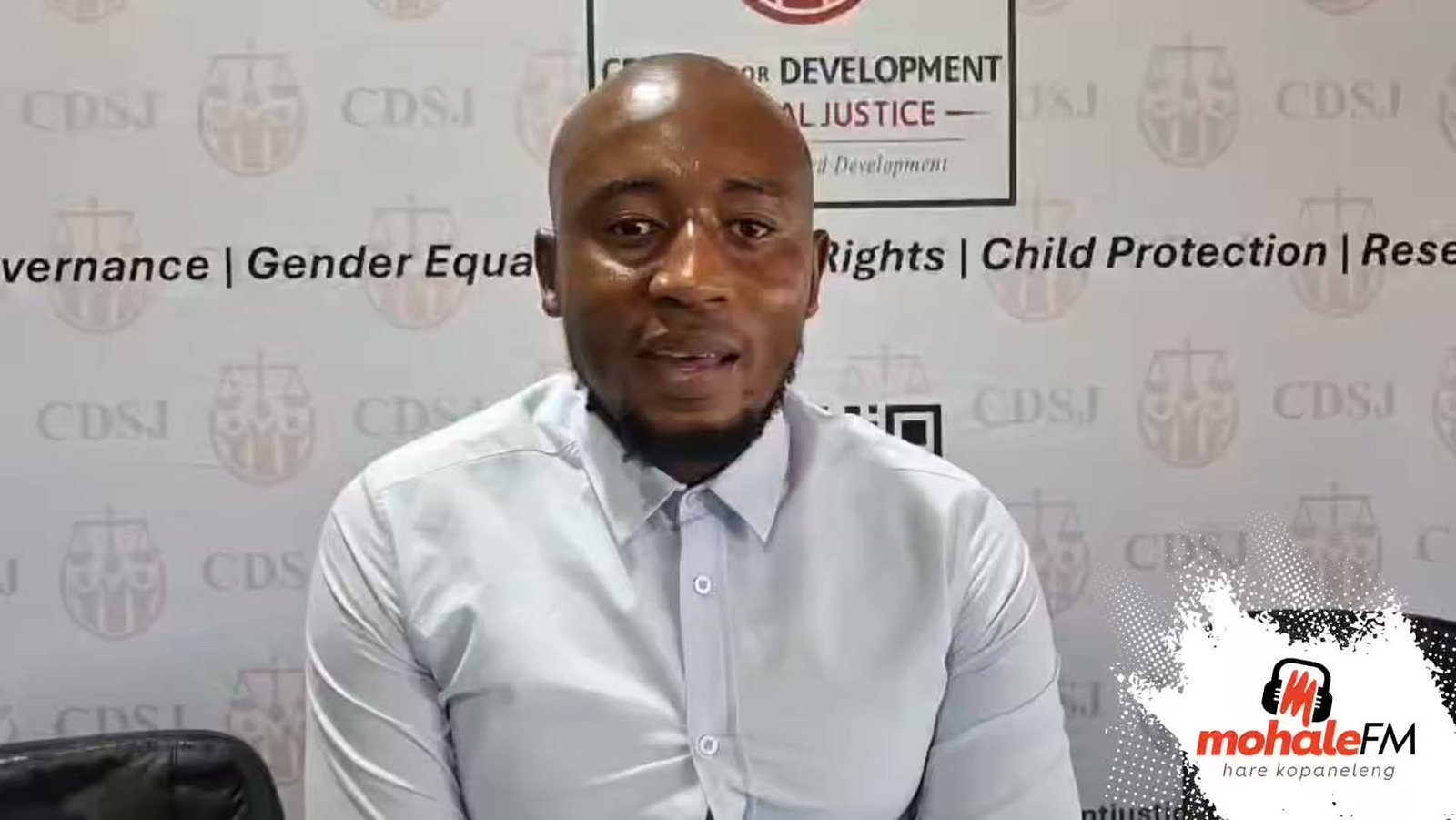
    In a Mohale FM interview following CDSJ’s project planning meeting, Motlatsi Mofolo unpacked two connected justice concerns: stronger responses to technology-facilitated GBV and the unequal criminalisation of women and girls in pregnancy- and child-related cases.

    Date26 August 2026
    Media platformMohale FM
    Recording8 minutes 44 seconds

    Public understanding is an important part of justice reform. Following CDSJ’s gender-just criminal justice project implementation planning meeting on 26 August 2026, Mohale FM interviewed CDSJ’s Motlatsi Mofolo about two issues that require both technical institutional action and informed public discussion.

    The interview connected the project’s legal and policy objectives to the everyday realities of people who may experience harm online, seek assistance from the police, or encounter a criminal justice process that does not examine responsibility equally. It also created an opportunity to explain why CDSJ is bringing justice institutions, civil society, women’s rights actors and communities into the same reform conversation.

    Why take these issues to the public?

    Legal reform cannot remain confined to technical meetings. People need to recognise emerging forms of abuse, understand that digital harm can have serious consequences, know where to seek assistance and see how unequal social expectations can influence the treatment of women and girls in criminal cases.

    Two issues, one gender-justice question

    Both topics ask whether the justice system has the rules, evidence practices and institutional awareness needed to respond fairly. In one area, technology changes how abuse is committed and recorded. In the other, gendered assumptions can influence whose conduct is investigated and who carries the legal and social burden.

    Supporting CGPU responses to technology-facilitated GBV

    The first issue concerned strengthening the capacity of the Lesotho Mounted Police Service’s Child and Gender Protection Unit (CGPU) to investigate technology-facilitated gender-based violence (TFGBV) and support effective prosecution.

    TFGBV can involve threats, harassment, non-consensual sharing of intimate material, impersonation, coercive control, stalking and other abuse carried out or amplified through mobile phones, social media and digital platforms. The consequences are not “only online”: digital abuse can damage safety, dignity, livelihoods, education, relationships and participation in public life.

    A credible justice response needs more than a general prohibition against abuse. Frontline officers require clear steps for receiving complaints, preserving digital material, recording evidence, protecting privacy, conducting survivor-centred interviews and coordinating with prosecutors and other service providers. Unclear procedures can weaken a case before it reaches court, while poor handling of sensitive material can expose a survivor to further harm.

    CDSJ’s project therefore envisages focused consultations and case review to identify where current practice is failing, followed by the preparation of clearer legal rules and practical police guidance. The intention is to support tools that can be understood, adopted and used in real cases.

    The gendered impact of one-sided criminal liability

    The second issue concerned pregnancy- and child-related cases in which a woman or girl may face criminal responsibility while the conduct of men or other people involved is not adequately examined. This concern can arise in matters involving abortion, infant abandonment, child neglect and related allegations.

    Gender-just justice requires an investigation of the full circumstances. Relevant questions include whether another person shared legal or practical responsibility, whether there was coercion or abandonment, what social and economic pressures were present, and whether the woman or girl had access to support, health care, protection and reliable information.

    This does not mean removing accountability. It means applying accountability consistently and refusing to allow gendered assumptions to determine whose conduct is scrutinised. Where responsibility is shared, the justice process should not place the entire burden on the person who is already more visible, vulnerable or socially condemned.

    Evidence before assumption

    Cases should be investigated on their full facts, with attention to every person’s conduct and responsibility.

    Context without discrimination

    Justice institutions should understand coercion, dependency, stigma and unequal power without using them to excuse harm or blame women and girls.

    Safeguarding and dignity

    Privacy, informed consent and protection from further harm must guide case review, legal support and public communication.

    Lessons for wider reform

    A carefully supported case can reveal systemic gaps and help institutions improve law, policy and practice beyond one person’s experience.

    From public discussion to institutional action

    The interview followed a CDSJ planning meeting that examined the evidence, technical roles, consultation pathways, institutional responsibilities and safeguards needed for the wider project. The planned work includes drafting guidance on TFGBV, developing a position paper on one-sided criminal liability, engaging justice leaders and Parliament, assessing possible cases and supporting one deserving case where appropriate.

    Radio engagement complements that technical work. It helps communities understand why these issues matter, encourages informed discussion and keeps attention on the responsibility of institutions to respond. It can also make specialist legal questions more accessible to listeners who may never encounter a policy document or formal consultation.

    Watch and listen to the interview

    The recording below was published by Mohale FM on Facebook and remains hosted by Mohale FM. Duration: 8 minutes 44 seconds.

    If the embedded player is unavailable in your browser, watch the full recording directly on Mohale FM’s Facebook page.

    CDSJ’s perspective: justice reform needs public ownership

    CDSJ believes that a fair justice system must be able to respond to new forms of violence while also examining older patterns of gender inequality within law and practice. Clear police guidance, sound evidence handling and survivor-centred procedures are essential, but sustainable reform also depends on public understanding and institutional accountability.

    By connecting technical planning with radio engagement, CDSJ is working to ensure that the reform conversation reaches beyond meeting rooms. Communities should be able to understand the issues, question unequal practices and participate in shaping a justice system that treats women and girls with dignity and fairness.

    Read the activity that shaped the interview discussion.
    Project Planning Meeting
    More News & Events
  • CDSJ Convenes Project Implementation Planning Meeting on Gender-Just Criminal Justice Reform

    CDSJ Convenes Project Implementation Planning Meeting on Gender-Just Criminal Justice Reform

    CDSJ convened government, policing, civil-society and United Nations stakeholders to turn three connected gender-justice priorities into a practical implementation pathway for Lesotho’s criminal justice system.

    Date26 August 2026
    VenueLancers Inn, Maseru
    Convened byCDSJ

    On 26 August 2026, the Centre for Development in Social Justice (CDSJ) convened a full-day project implementation planning meeting at Lancers Inn in Maseru. The meeting moved beyond a broad statement that criminal justice should be gender-responsive and examined the concrete legal, operational and institutional work required to make that principle meaningful for women and girls in Lesotho.

    The process engaged stakeholders from government, policing, civil society and the United Nations system. Invited institutions included the Ministry of Gender, the Lesotho Mounted Police Service’s Child and Gender Protection Unit (LMPS/CGPU), Women and Law in Southern Africa–Lesotho, UNFPA and UN Women. Their different mandates were important because the issues under discussion cannot be resolved by one organisation or one part of the justice system acting alone.

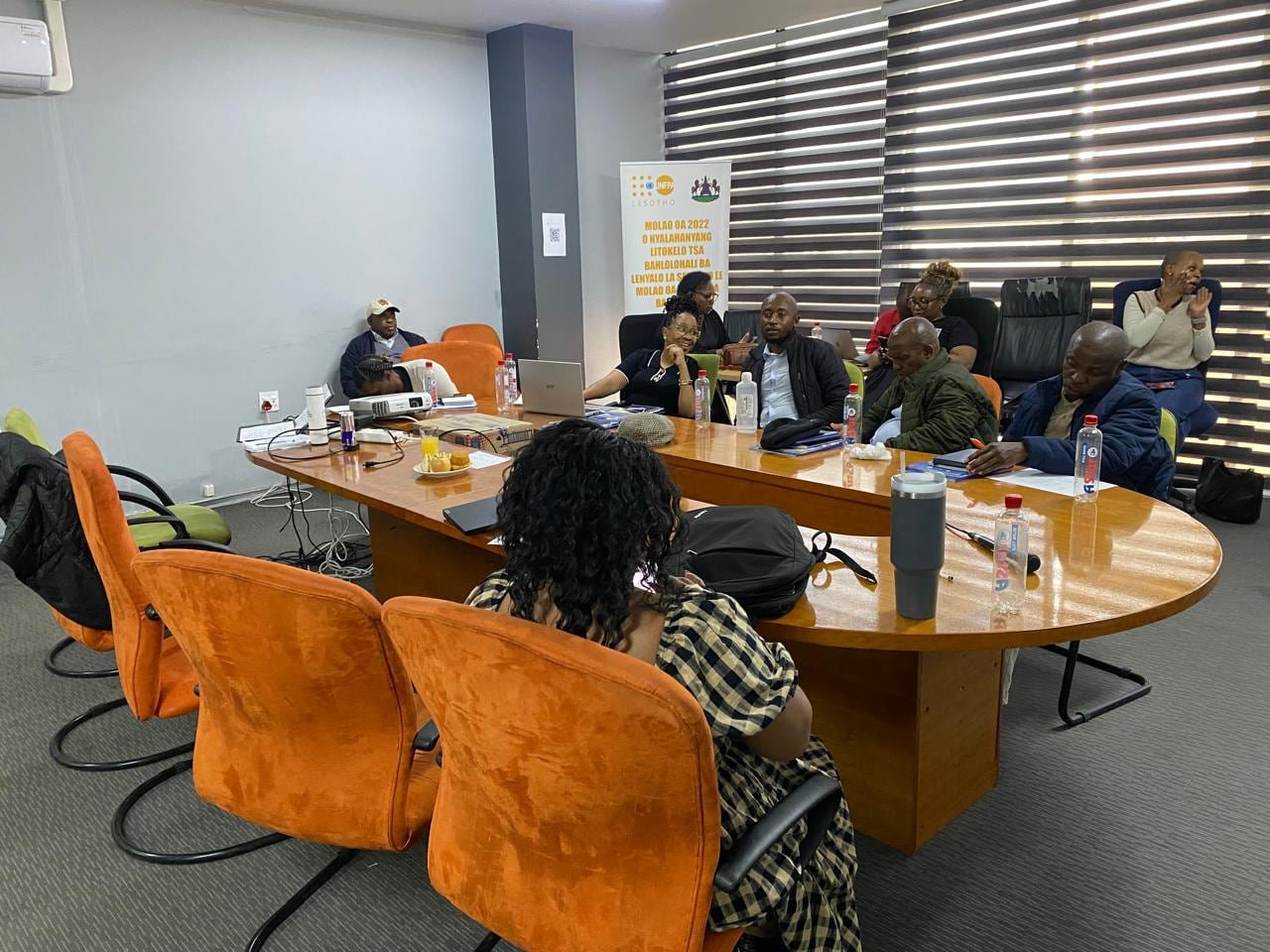
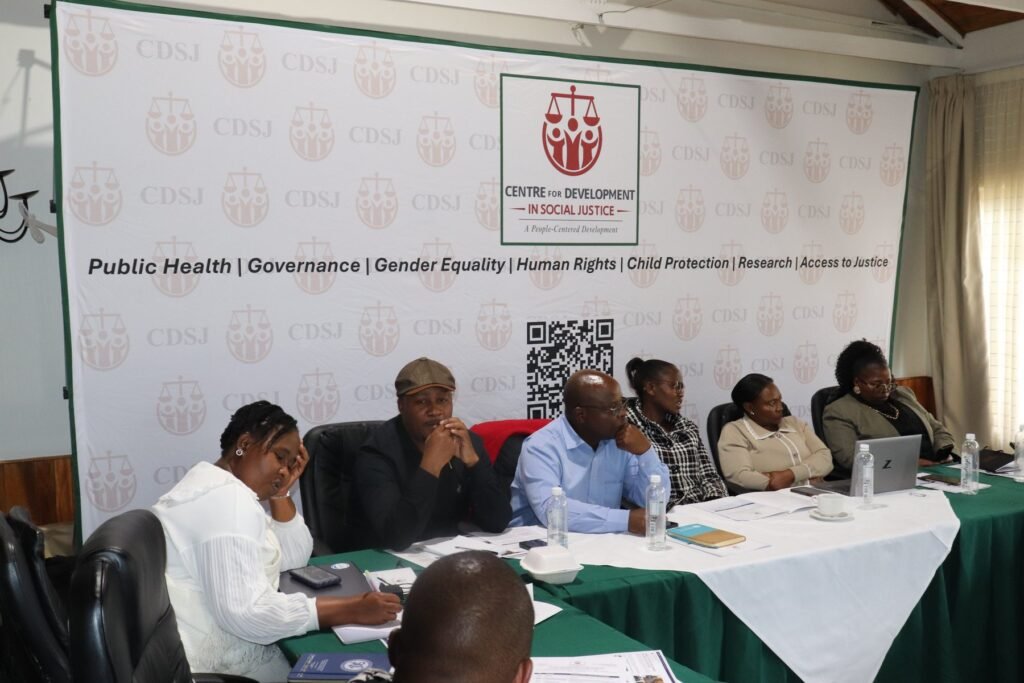
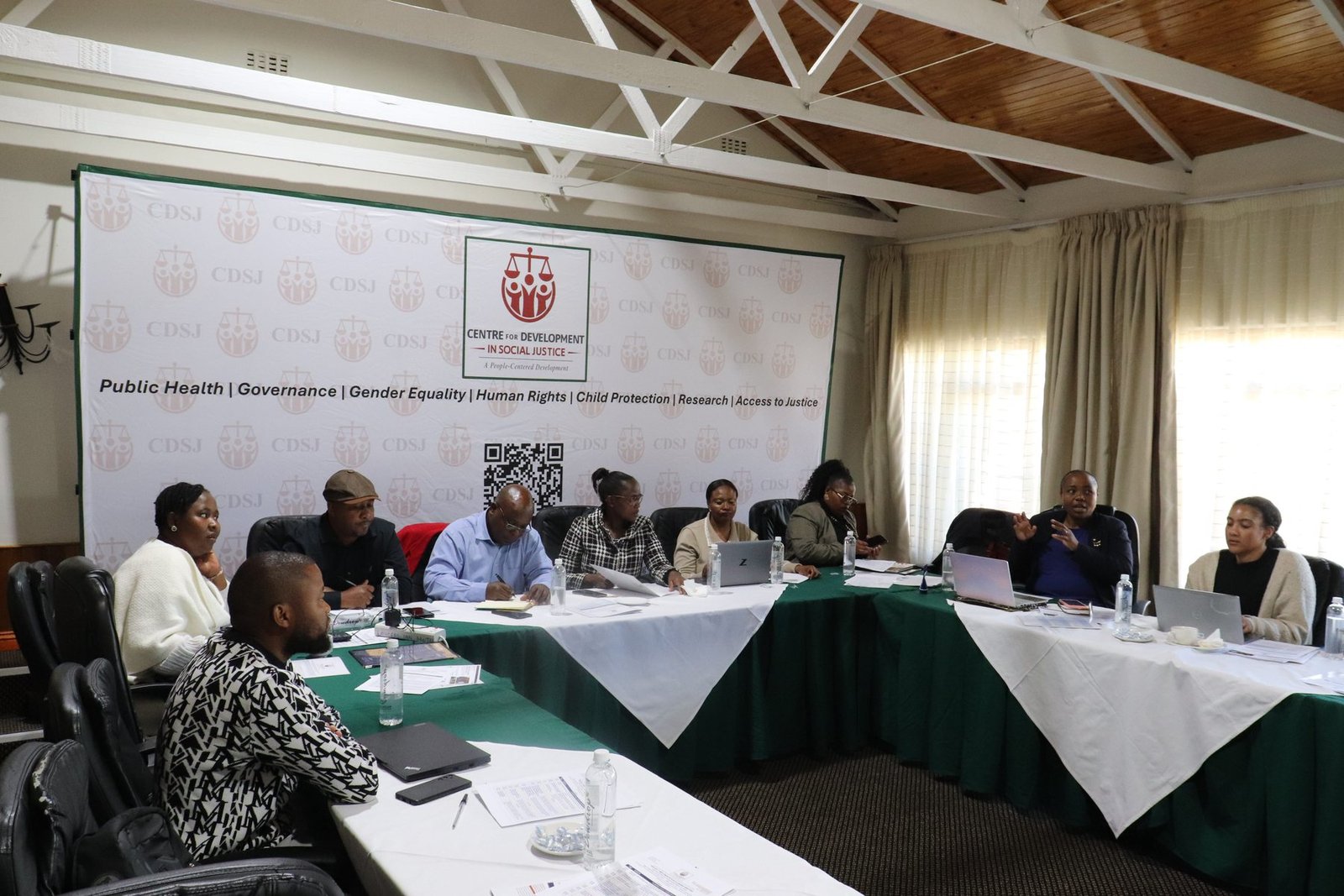
    Stakeholders participating in CDSJ's gender-just criminal justice project planning meeting in Maseru
    Stakeholders participating in CDSJ’s implementation planning meeting in Maseru.

    Turning a reform idea into an implementation plan

    The meeting opened by confirming the project purpose, its three planned deliverables and the key questions that needed collective attention. Participants were invited to consider relevance, feasibility, institutional linkages, risks and opportunities for collaboration before working through each reform area in detail.

    The shared challenge

    Women and girls can experience serious harm through phones, social media and other digital platforms while police and prosecutors lack sufficiently clear, practical guidance for recording, investigating and taking these cases forward. Girls and young women may also face criminal responsibility alone in pregnancy- and child-related cases even where men or other people share responsibility.

    CDSJ’s project connects legal research, institutional practice, public engagement and case-based learning. The aim is not only to describe unfairness, but to help produce clear tools, credible evidence and coordinated advocacy that institutions can act upon.

    Three connected reform workstreams

    Clearer responses to technology-facilitated GBV

    The first workstream focuses on abuse carried out through mobile phones, social media and other digital platforms. Planning covered the scope of the legal and operational issues, evidence needs, a drafting process for clearer regulations, practical police guidance, consultation and validation, technical roles, approvals and milestones. The intended pathway includes focused discussions, review of real cases, preparation of draft legal rules and step-by-step guidance, followed by formal engagement with justice leaders.

    Fairer treatment of girls and young women

    The second workstream examines one-sided criminal liability in pregnancy- and child-related matters, including abortion, infant abandonment and child neglect allegations. It asks whether the full circumstances are examined, whether shared responsibility is investigated and whether law and practice place a disproportionate burden on women and girls. The planned work combines consultation and case review with a clear reform paper and engagement with Parliament’s committee responsible for law and public safety.

    Using a deserving case to inform wider change

    The third workstream will identify and carefully assess possible prison or court cases, select one deserving case for potential review or appeal, and use the lessons to support broader legal and policy reform. Planning addressed selection criteria, legal strategy, institutional roles, decision points and the safeguards required before any case-related step is taken.

    Planned learning4focused discussions
    Evidence review6case reviews across two themes
    Direct support1deserving case prepared for legal action
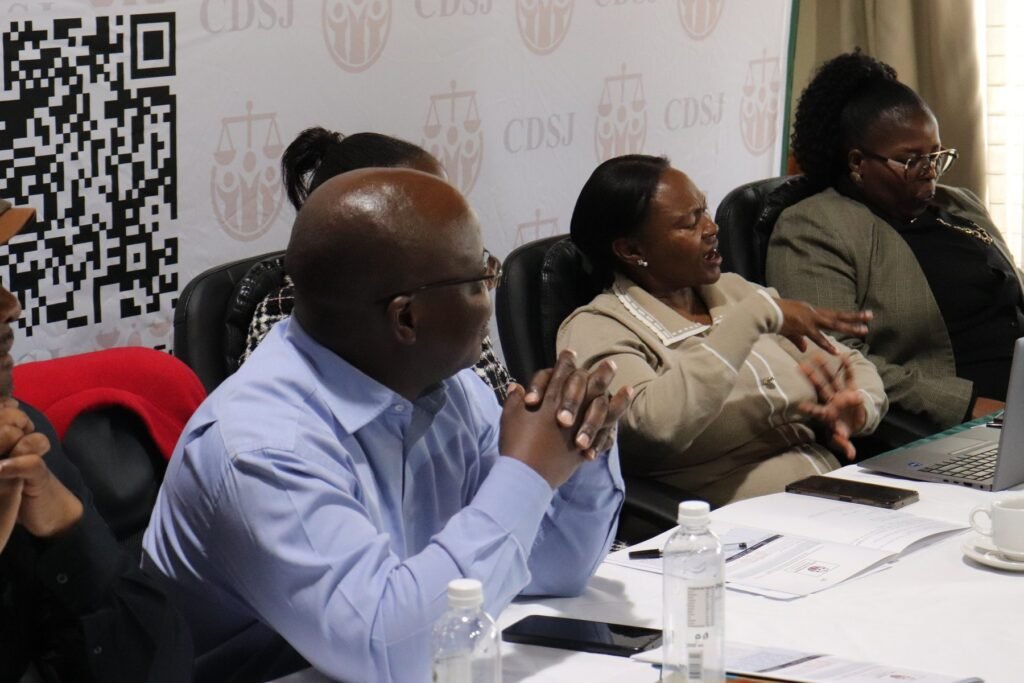
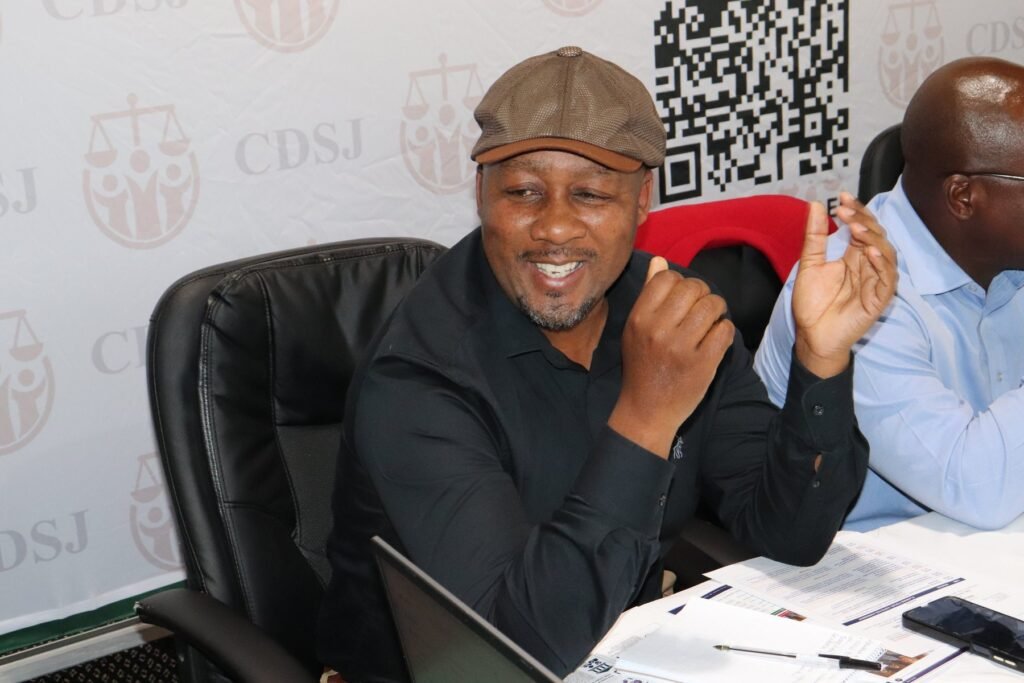
    A participant contributing during the CDSJ gender-just criminal justice planning meeting
    A participant contributes to the implementation discussion.
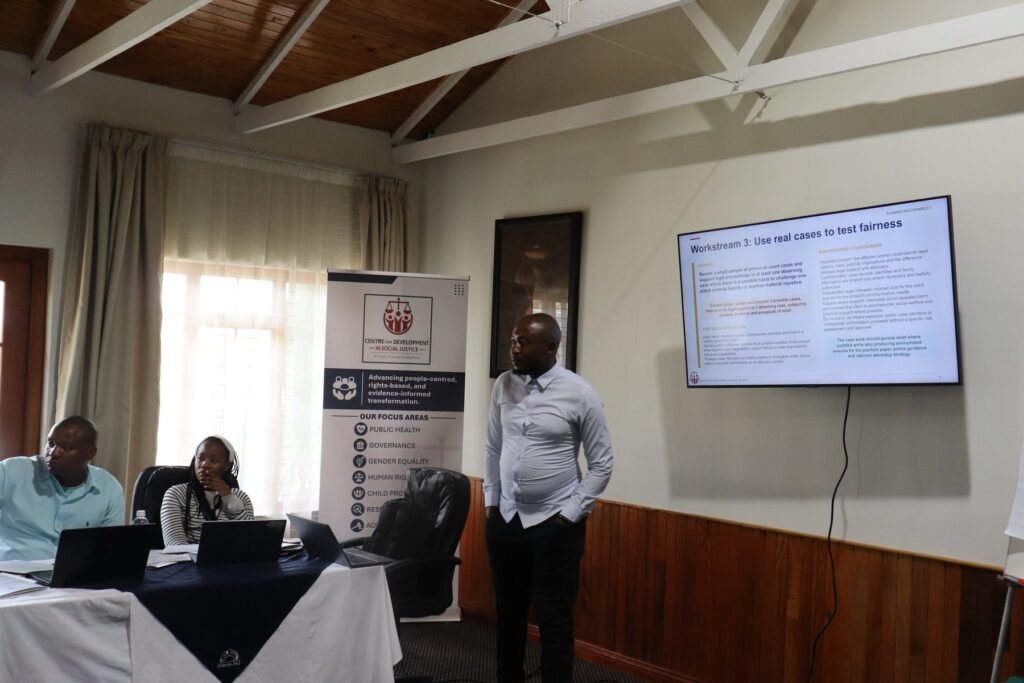
    A facilitator presenting a project workstream during the CDSJ planning meeting
    A project workstream is presented for stakeholder review.

    What stakeholders planned together

    For the technology-facilitated GBV workstream, the agenda required agreement on legal and operational scope, the evidence base, drafting responsibilities, technical input, consultation and validation pathways, required approvals and key milestones. For the position paper on one-sided criminal liability, participants considered priority legal and policy questions, the gender-justice framing, consultation, parliamentary engagement, responsibilities and timing.

    The case-review workstream required additional care. Participants considered referral and selection criteria, assessment of possible cases, legal strategy, informed consent, confidentiality, safeguarding, institutional roles and the points at which decisions must be made. Cross-cutting discussions then addressed sequencing, coordination, information sharing, communications, documentation, learning, risk management and progress review.

    The day concluded by consolidating an implementation action plan: identifying immediate actions, the institutions or people responsible, key milestones and dependencies, and the purpose of the next coordination meeting. This emphasis on named responsibilities and follow-through is essential if collaboration is to move from agreement in the room to measurable institutional action.

    Safeguarding must shape every step

    Protecting people who share their stories

    CDSJ emphasised that case-related work must be grounded in informed consent, privacy, secure handling of information and the prevention of further harm. No legal or public-interest objective should override the wishes, safety or legal interests of the affected person.

    Safeguarding is equally important when evidence is gathered through consultations or case review. Identities should be protected, disclosure should never be forced, and engagement with institutions or the media must be carefully planned. A survivor-centred approach is not a separate project activity; it is the standard by which every activity should be designed and assessed.

    From planning to wider public engagement

    The planned pathway combines technical outputs with public action: clearer legal rules, a practical police guide, a reform position paper, formal submissions to justice institutions, engagement with Parliament, support in one deserving case, a shared civil-society action plan and radio discussions that help communities understand the issues and sustain public attention.

    This combination matters because legal reform is strongest when it connects lived experience, frontline practice, institutional responsibility and public understanding. Technical guidance must be usable by police and prosecutors; advocacy must be grounded in credible evidence; and communities need accessible information about rights, responsibilities and available remedies.

    CDSJ’s perspective: reform must be practical and accountable

    For CDSJ, gender-just criminal justice means asking how laws and procedures operate in people’s lives. It requires institutions to respond effectively to emerging forms of abuse, investigate responsibility fairly and avoid practices that reproduce discrimination against women and girls.

    The planning meeting created a shared foundation for moving from evidence to clear rules, from individual cases to wider reform and from public concern to coordinated institutional responsibility. CDSJ will continue working with justice institutions, civil society, women’s rights organisations, affected communities, Parliament and the media to advance this agenda.

    Read the planning briefs

    Two public CDSJ briefs supported the meeting’s technical discussion and provide a clearer account of the legal and implementation questions behind the initiative. They are published here to support informed engagement by justice institutions, civil society, researchers and the wider public.

    TFGBV legal brief

    Technology-Facilitated Gender-Based Violence in Lesotho

    This brief maps relevant Lesotho laws and proposes a practical framework for identifying offences, preserving digital evidence, protecting complainants and preparing technology-facilitated GBV cases for prosecution.

    Read or download the brief →

    Case-assessment brief

    Challenging One-Sided Criminal Prosecution in Pregnancy-Related Cases

    This planning brief examines fair, evidence-based investigation of abortion, infant-abandonment and child-neglect cases, including paternity, possible sexual offences, participation, maintenance and care duties, and relevant social circumstances.

    Read or download the brief →

    Continue following this gender-just criminal justice initiative.
    Watch the Mohale FM Interview
    More News & Events
  • CSW70 National Youth Consultation on Access to Justice for Women and Girls in Lesotho

    CSW70 National Youth Consultation on Access to Justice for Women and Girls in Lesotho

    A CDSJ-led national consultation brought together 30 participants from urban, peri-urban and rural communities to ensure that Lesotho’s youth perspectives inform the CSW70 global conversation on access to justice for women and girls.

    Date16 December 2025
    VenueUN House, Maseru
    FormatSelf-funded national consultation

    On 16 December 2025, the Centre for Development in Social Justice (CDSJ) held a one-day, in-person national youth consultation on access to justice for women and girls. Conducted in Sesotho and English, the consultation linked local experience in Lesotho to the global youth and adolescent engagement process associated with the seventieth session of the Commission on the Status of Women (CSW70).

    The consultation created space for adolescent girls, young women, youth representatives and women’s rights allies to examine the barriers people encounter when seeking protection, accountability and remedies. Rather than discussing access to justice only as a legal principle, participants considered how cost, distance, age, gender norms, disability, institutional practice, limited services and digital exclusion shape whether rights can be exercised in practice.

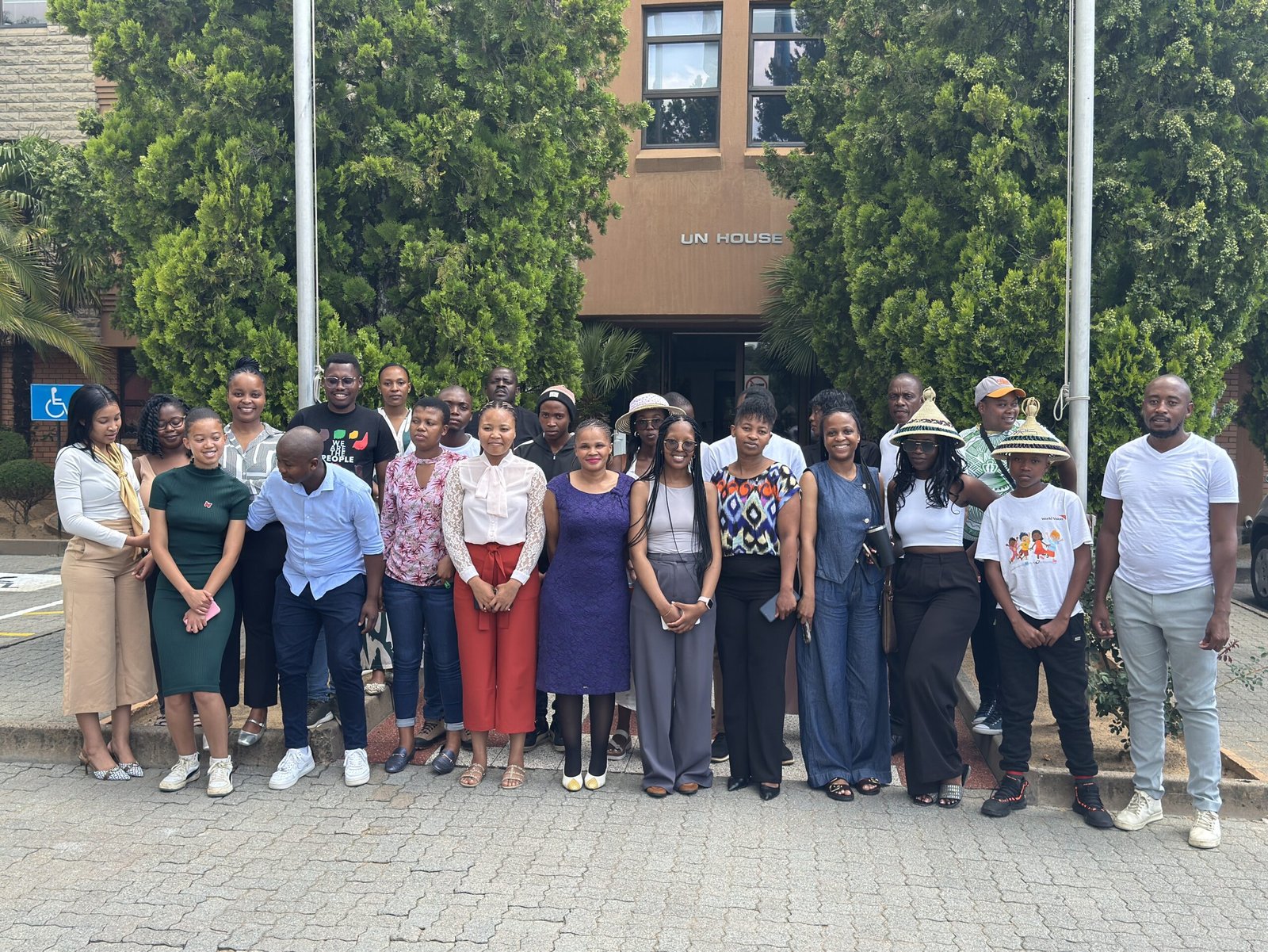
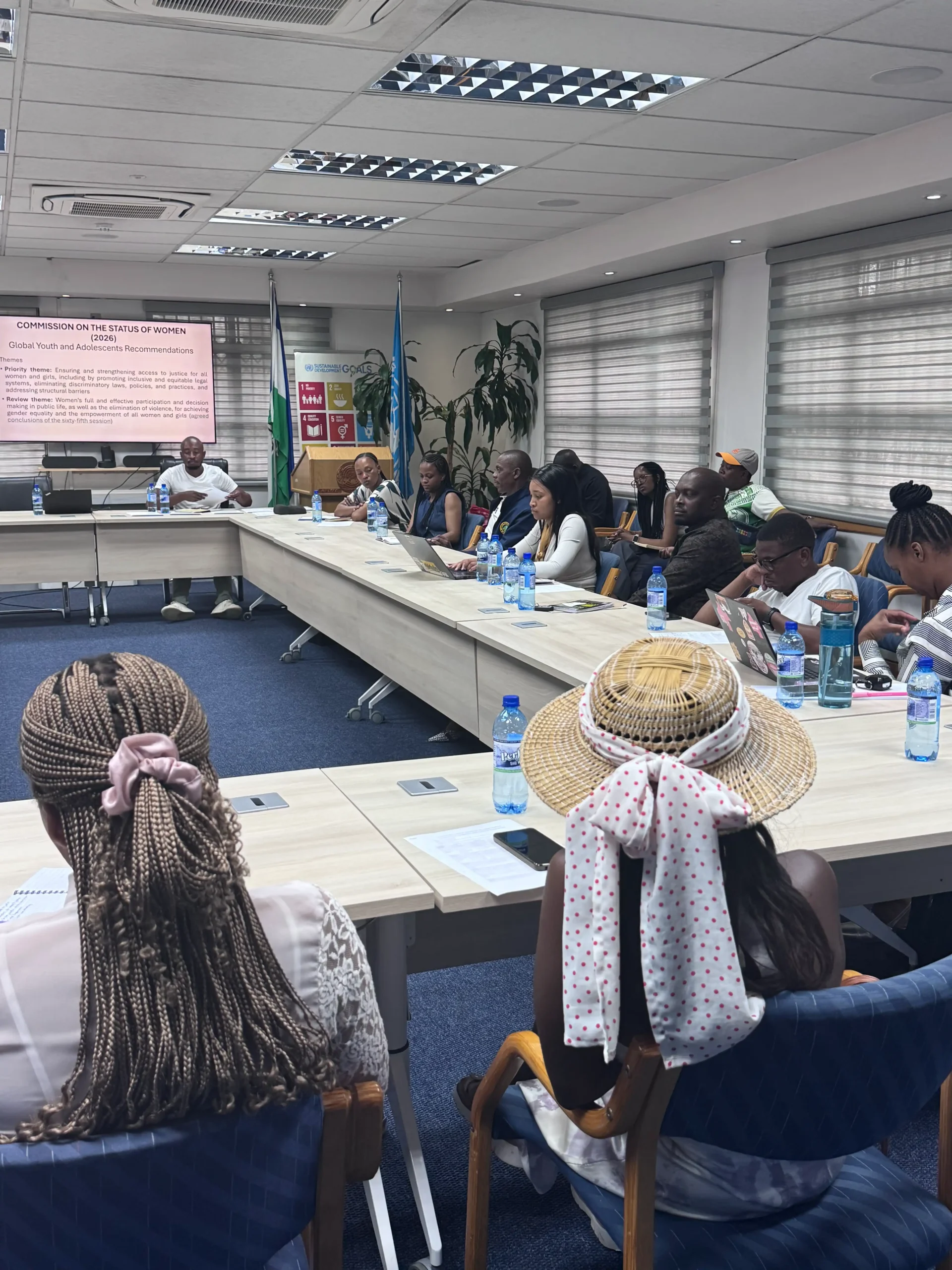
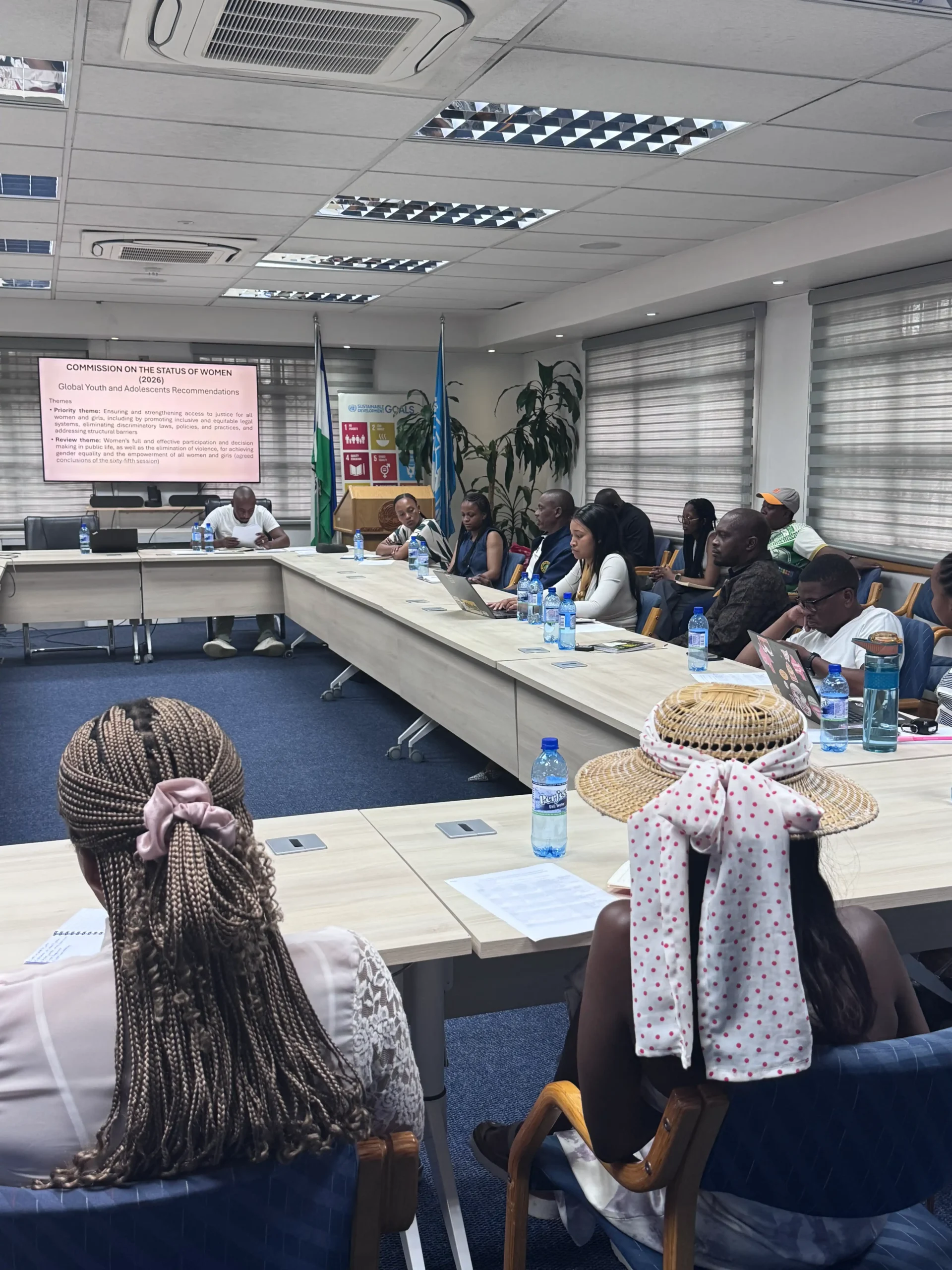
    Participants at the CSW70 National Youth Consultation in Maseru
    Participants at the national youth consultation on access to justice for women and girls.

    Who participated

    The consultation brought together 30 people: 18 women and 12 men. One participant was under the age of 18, 14 were young women or youth aged 18–35, and 15 were women’s rights allies above the youth age bracket. Half of the participants were from urban Maseru, with others representing peri-urban communities in Berea and Leribe and rural communities in Mafeteng.

    Participants30voices in the consultation
    Thematic groups5areas of justice examined
    Top priorities3recommendations for action

    This mix was important because access to justice is experienced differently across age groups and locations. A service that is technically available in Maseru may remain inaccessible to someone who must travel from a rural community, cannot afford transport, lacks documentation or requires communication support. The consultation therefore treated inclusion as a practical question rather than a general aspiration.

    Why the consultation was needed

    Lesotho has laws and institutions intended to protect women and children, but participants identified a persistent gap between formal protection and lived experience. Justice processes can be slow, intimidating, expensive or geographically inaccessible. In GBV and sexual-abuse matters, stigma, victim-blaming, poor evidence handling and weak confidentiality can discourage reporting or expose survivors to secondary harm.

    Access to justice is more than entering a courtroom

    Meaningful access includes knowing one’s rights, being able to report safely, receiving respectful and timely assistance, accessing health and psychosocial support, obtaining legal advice, participating in a process without discrimination and receiving a remedy that responds to the harm experienced.

    Adolescent girls may face additional restrictions when guardian consent is required before they can seek assistance, particularly where the alleged abuse occurred within the family. Women and girls in rural areas can face long distances to police stations, courts, shelters and legal-aid services. Poverty and economic dependence can further narrow the choices available to a person deciding whether to pursue a case.

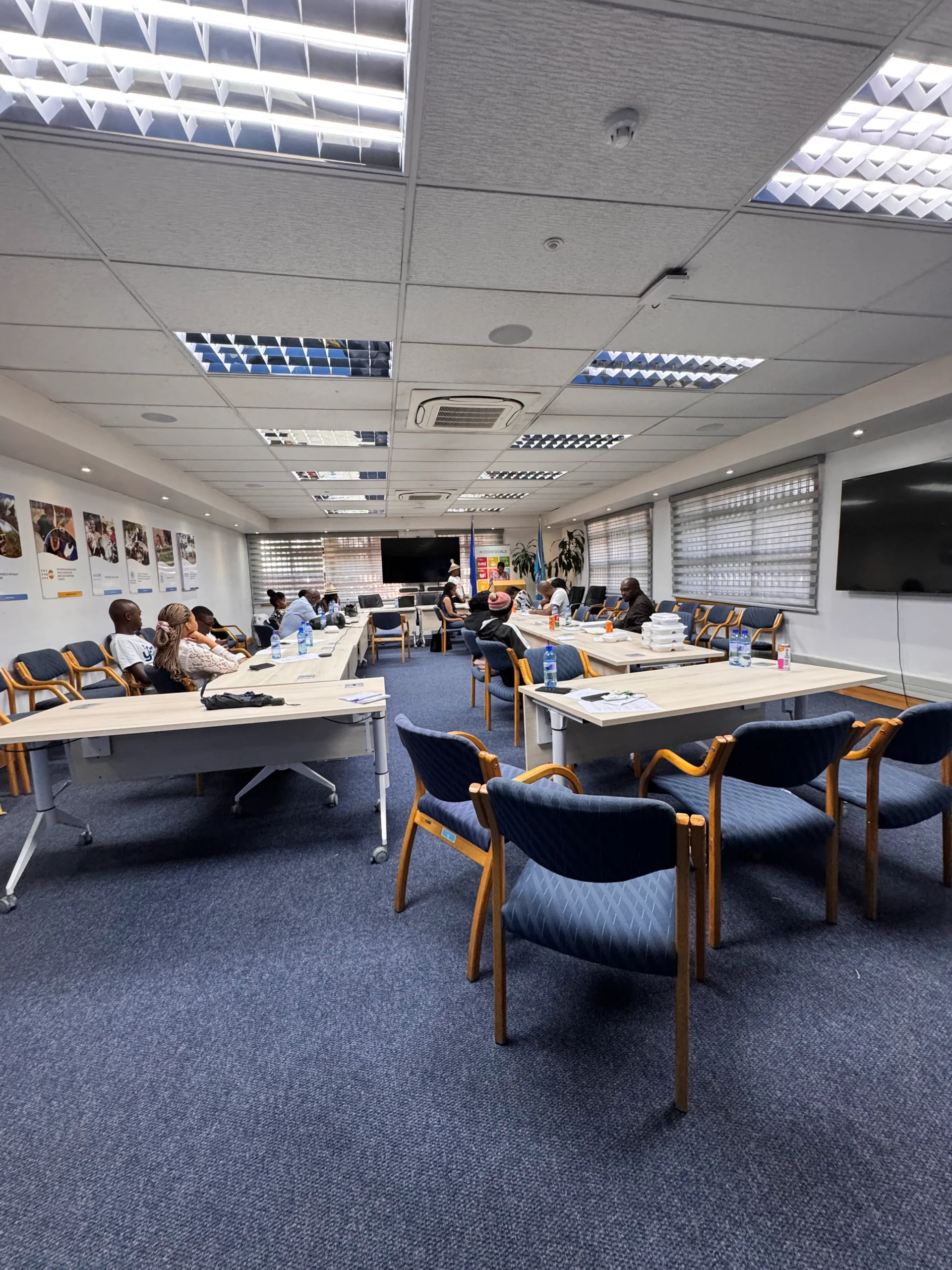
    Youth participants discussing access to justice for women and girls
    Youth participants discuss barriers that affect women and girls.
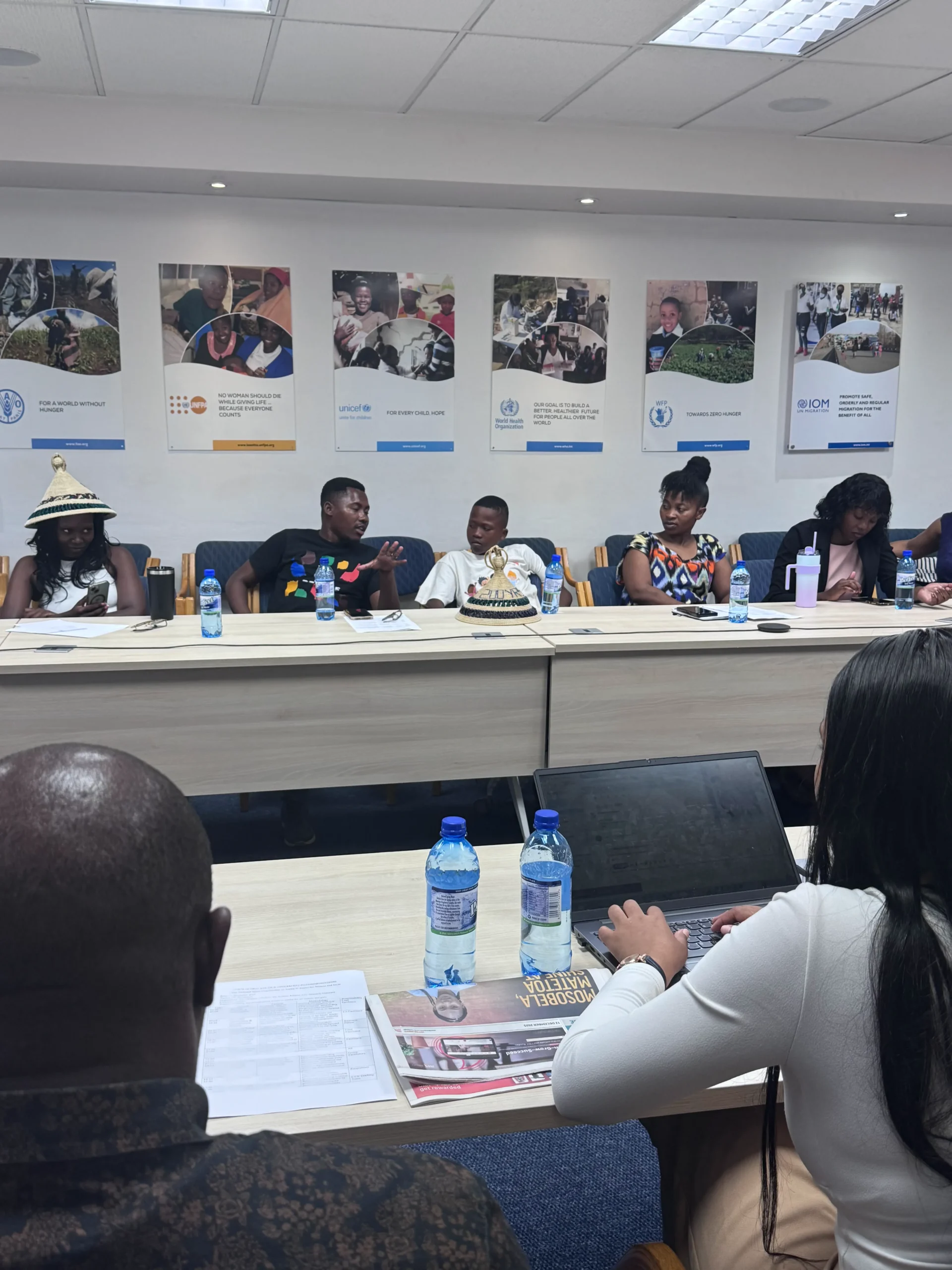
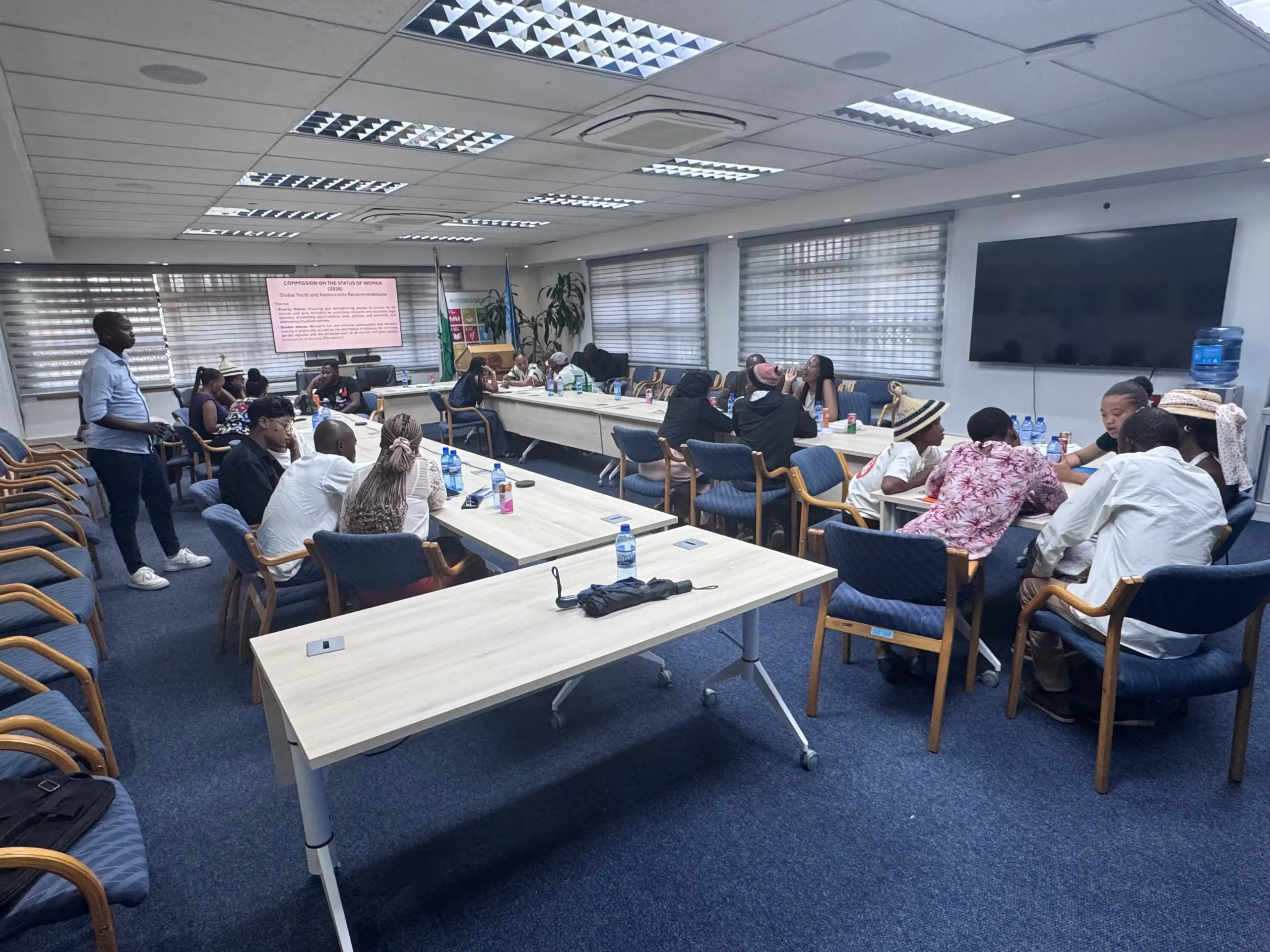
    Small-group discussion during the CSW70 consultation
    Small-group work enabled focused discussion of justice issues.

    Five areas examined by participants

    Laws and policies

    Participants discussed guardian-consent requirements, inconsistencies between child-protection and age-based consent rules, discriminatory school practices related to pregnancy, weak enforcement of women’s marital and property rights and harmful conduct for which survivors may carry the burden of seeking redress.

    Justice institutions and practices

    Discussion covered limited resources, intimidating procedures, inadequate training on GBV and adolescent-sensitive justice, weak evidence handling, lack of privacy and unclear accountability when police, prosecution or court processes fail survivors.

    Services and remedies

    Participants considered the concentration of shelters, psychosocial support and legal aid in urban areas, alongside the cost, travel, documentation and stigma barriers that make services difficult to reach. They emphasised health care, legal representation, education and livelihood support as connected elements of an effective remedy.

    Legal empowerment

    Limited knowledge of rights and referral pathways was identified as a major barrier. Community legal clinics, youth or peer paralegals, school-based rights education, better helplines and accessible legal information were discussed as practical ways to strengthen confidence and early access to support.

    Digital and disability-inclusive justice

    High data costs, limited devices, poor network coverage, low digital literacy and weak privacy safeguards can exclude women and girls from digital services. Physical barriers, inaccessible information and the absence of assistive technologies can similarly prevent persons with disabilities from participating equally in justice processes.

    What participants identified as barriers

    One concern was the way pregnancy can be treated within education systems. Participants raised practices that frame rape or sexual exploitation simply as “teenage pregnancy,” punish girls through exclusion or humiliation and fail to investigate the conduct of perpetrators. This can undermine both access to justice and the right to education.

    Participants also drew attention to the capacity of justice institutions. Poorly resourced police stations, courts and prosecution services may struggle to provide private consultation space, timely follow-up, specialist officers or consistent case management. In sexual-violence cases, weaknesses in evidence handling can directly affect whether a matter proceeds and whether a survivor has confidence in the process.

    Services and remedies were another central concern. Shelters, safe accommodation, psychosocial support and legal aid remain limited outside urban centres. Even where a service exists, transport costs, fear of stigma, language, documentation requirements and economic dependence can make it unreachable. Participants stressed that justice should connect legal outcomes with the health, safety, education and livelihood support needed for recovery.

    Three recommendations for action

    Reform and enforce laws and policies

    Remove barriers that prevent women and adolescents from seeking justice independently; harmonise child-protection, consent and legal-capacity rules; prohibit discriminatory school responses to pregnancy; and enforce women’s marital, property and economic rights. Reform must include clear implementation measures so that protection exists in practice as well as on paper.

    Strengthen survivor-centred institutions and services

    Resource and train police, prosecutors, magistrates, judges and service providers to deliver adolescent-sensitive, disability-inclusive and confidential justice. Expand shelters, psychosocial support and legal aid, particularly in rural areas, and establish clear standards, referral pathways and responsibility for survivor follow-up.

    Invest in legal empowerment and inclusive access

    Support youth-friendly legal information, community legal clinics, peer and youth paralegals and school-based rights education. Expand digital access alongside cyber-security and data-protection safeguards, and ensure that justice buildings, services and information are accessible to persons with disabilities.

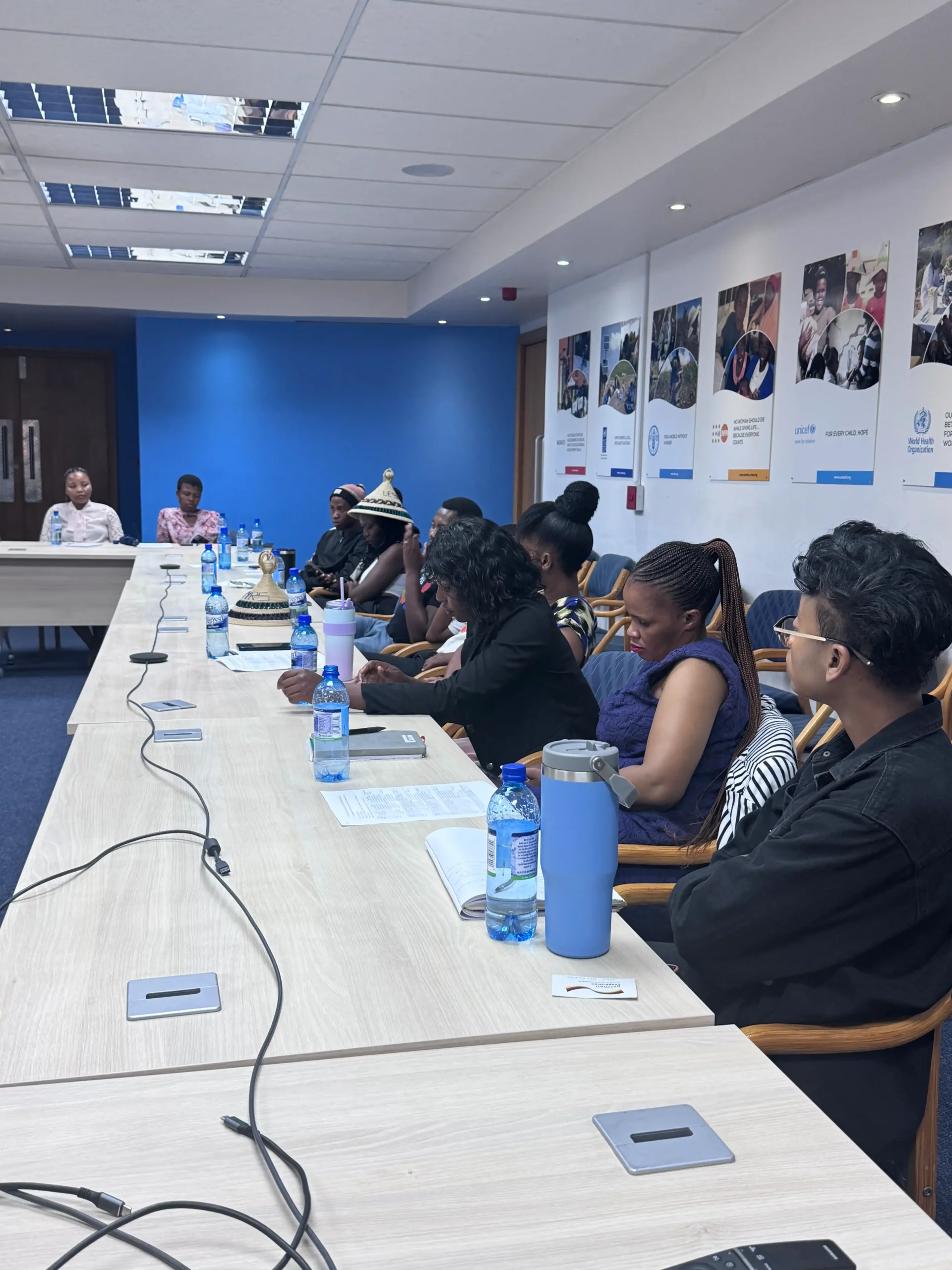
    Participants presenting recommendations during the CSW70 consultation
    Participants present and validate recommendations emerging from thematic discussions.

    A participatory and safeguarded methodology

    The workshop ran from 08:00 to 18:00 and combined plenary discussion with five thematic working groups. Plenary sessions introduced the CSW70 priority theme, established the national context and allowed the full group to validate emerging findings. Small-group discussions created time for deeper examination of specific legal, institutional, service, empowerment and inclusion issues.

    Facilitators used guiding questions that asked what prevents women and girls from accessing justice; which laws or policies create exclusion; which institutional practices cause delay or secondary harm; what remedies matter to survivors; and how legal information, digital tools, disability inclusion, data and accountability can be improved.

    Safeguarding participation

    Participation was voluntary and discussion focused on systemic and structural issues rather than requiring personal case disclosure. Participants were reminded about confidentiality, and rapporteur notes did not record identifying information. No individual was required to share a personal experience.

    From Lesotho’s experience to global advocacy

    The consultation generated locally grounded evidence for the CSW70 youth process while also producing a practical national agenda. Its recommendations speak to legal reform, the capacity of justice institutions, the quality and reach of survivor services, legal empowerment, digital safety and disability inclusion.

    The process also demonstrated the value of connecting global policy spaces to national and community realities. International commitments are stronger when the people most affected can shape the evidence and priorities carried into those spaces. At the same time, a global process can create momentum for national action when recommendations are brought back to institutions, civil society and communities.

    CDSJ’s perspective: youth voices must influence justice reform

    CDSJ believes women and girls should not be treated only as beneficiaries of justice policy. Adolescents and young people have knowledge about the barriers operating in their schools, families, communities, digital spaces and public institutions, and that knowledge should shape reform.

    This self-funded consultation reflected CDSJ’s commitment to evidence-driven, people-centred programming. The next challenge is to ensure that the recommendations remain visible: strengthening laws, resourcing institutions and services, expanding legal empowerment and building justice systems that are accessible across age, location, income and disability.

    By documenting and sharing these priorities, CDSJ will continue connecting community experience with national advocacy and international policy processes so that access to justice becomes a lived reality rather than a formal promise.

    Follow CDSJ’s work on access to justice for women and girls.
    More News & Events
    Subscribe for Updates