Community realities
Begin with lived experience, local knowledge, risks, strengths and priorities.
People experience health, safety, livelihoods, rights and public institutions as one connected reality. CDSJ brings those realities together through six programme pillars designed to move from community priorities to stronger systems and lasting public value.
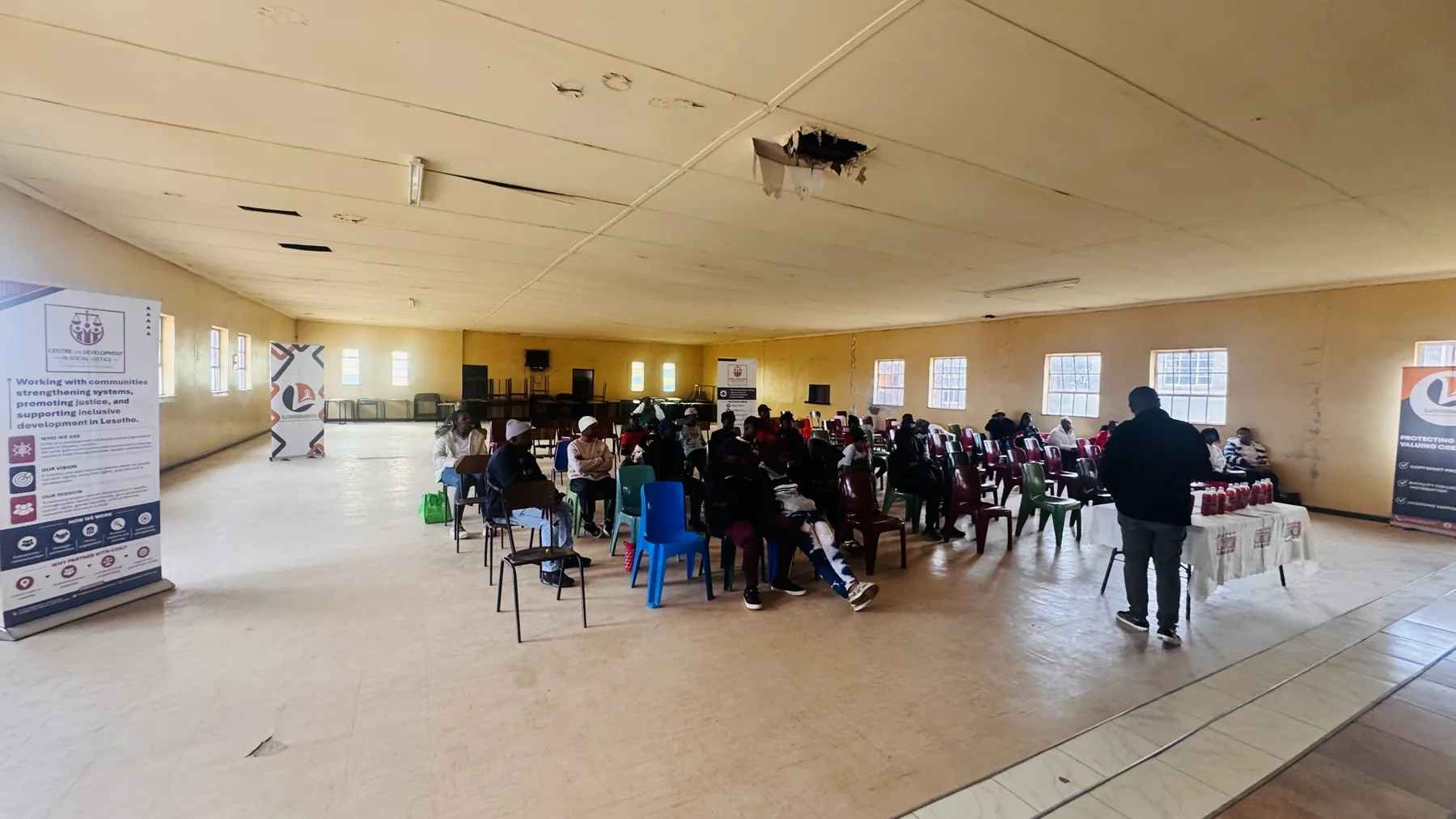
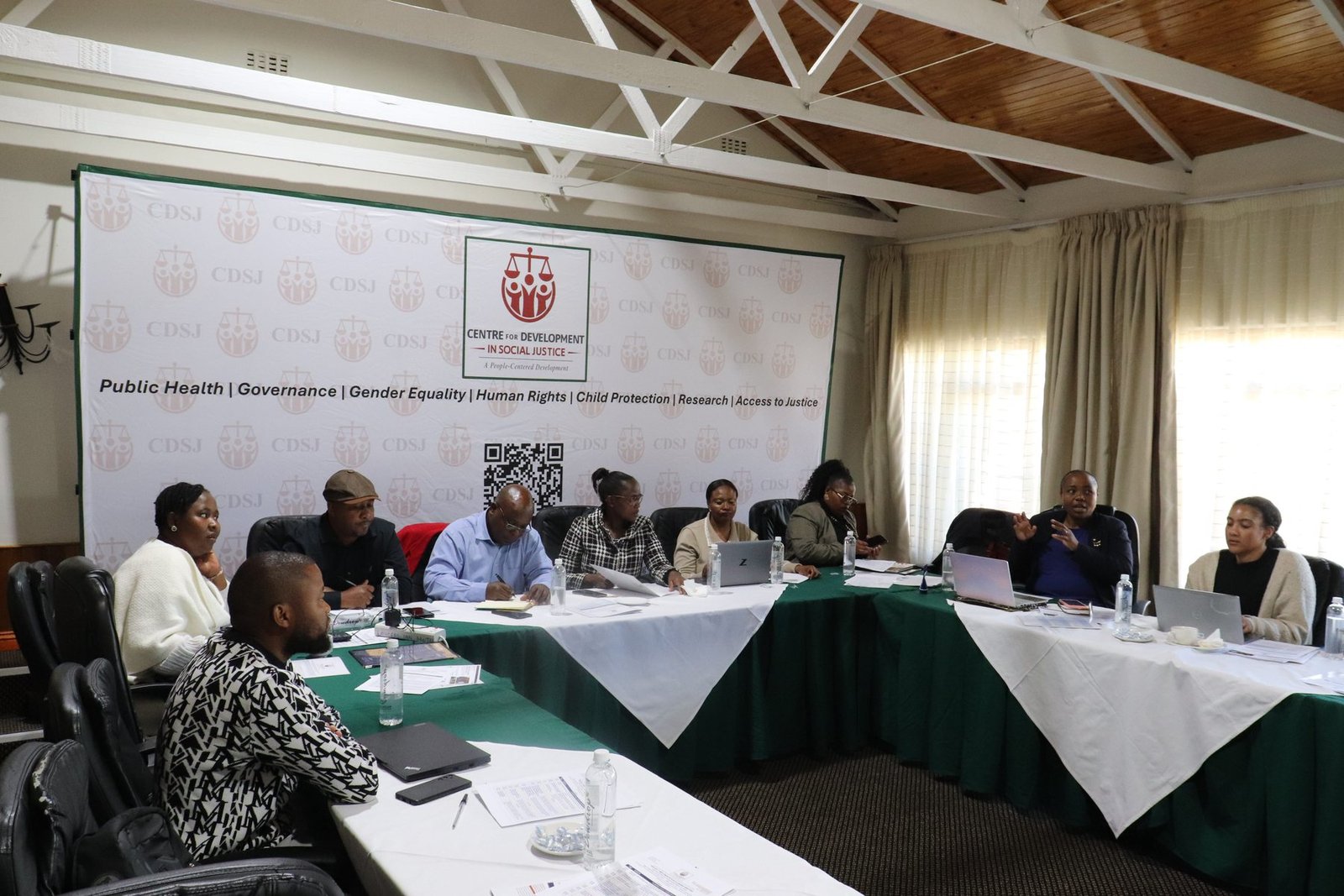
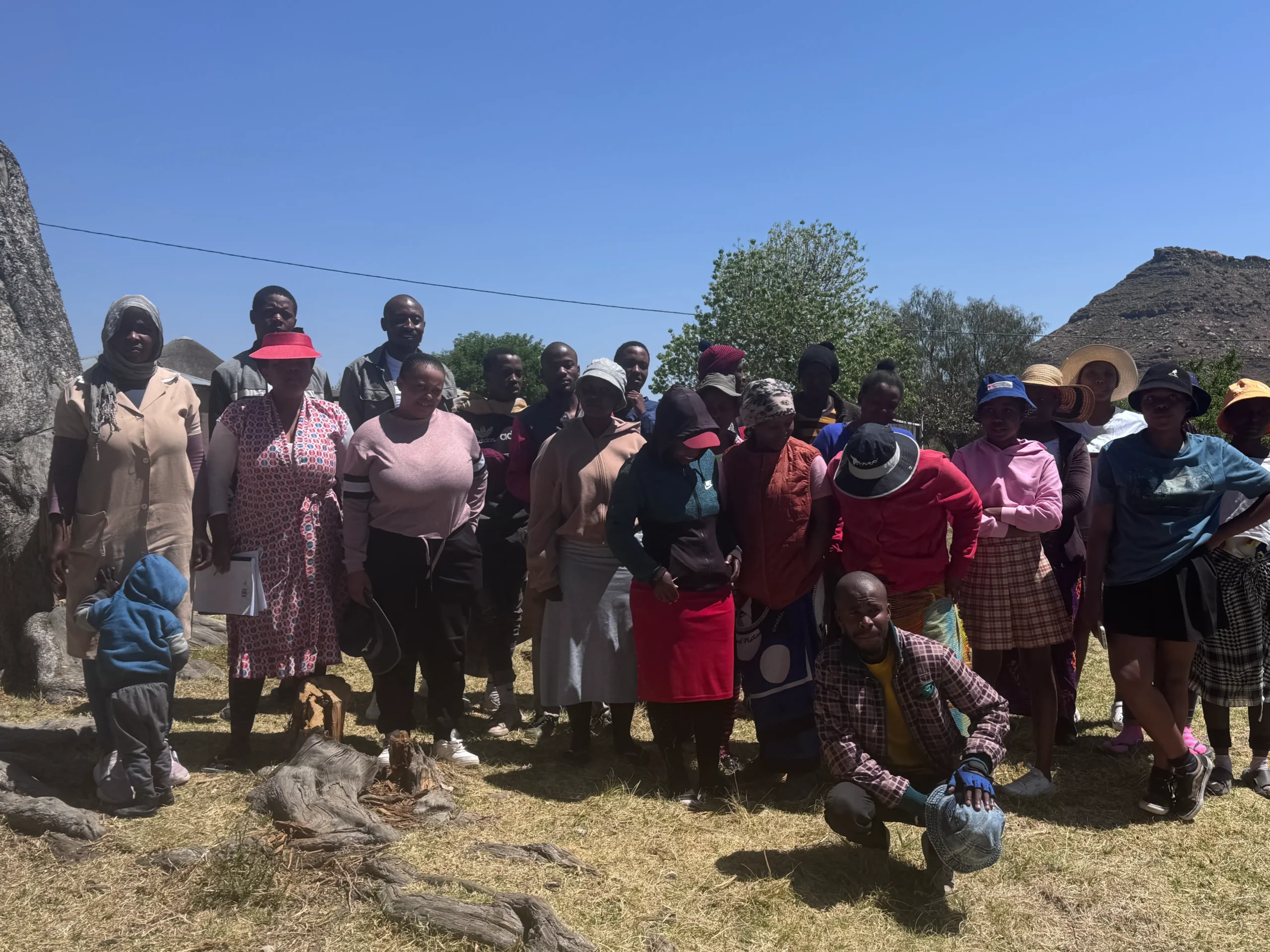
A woman seeking protection from violence may also need healthcare, legal information, a safe livelihood and institutions that respond fairly. A young person excluded from opportunity may need skills, mentorship, civic voice and protection from exploitation. A rural community may need accessible services, accountable decision-making and evidence that makes its reality visible.
CDSJ’s programme architecture reflects this complexity. Each pillar has a clear technical identity, but none operates in isolation. We connect immediate support with institutional capacity, public accountability and learning so that a response can address today’s need while strengthening tomorrow’s system.
See integrated work in practice →Begin with lived experience, local knowledge, risks, strengths and priorities.
Strengthen the people, pathways and systems communities depend on every day.
Turn evidence and implementation learning into better decisions and accountable reform.
Each pillar combines a clear development ambition, practical workstreams and a partnership proposition. Select a programme to explore its full scope, priority populations and intended results.
 01Health & wellbeing
Closing the distance between health policy, services and lived experience.
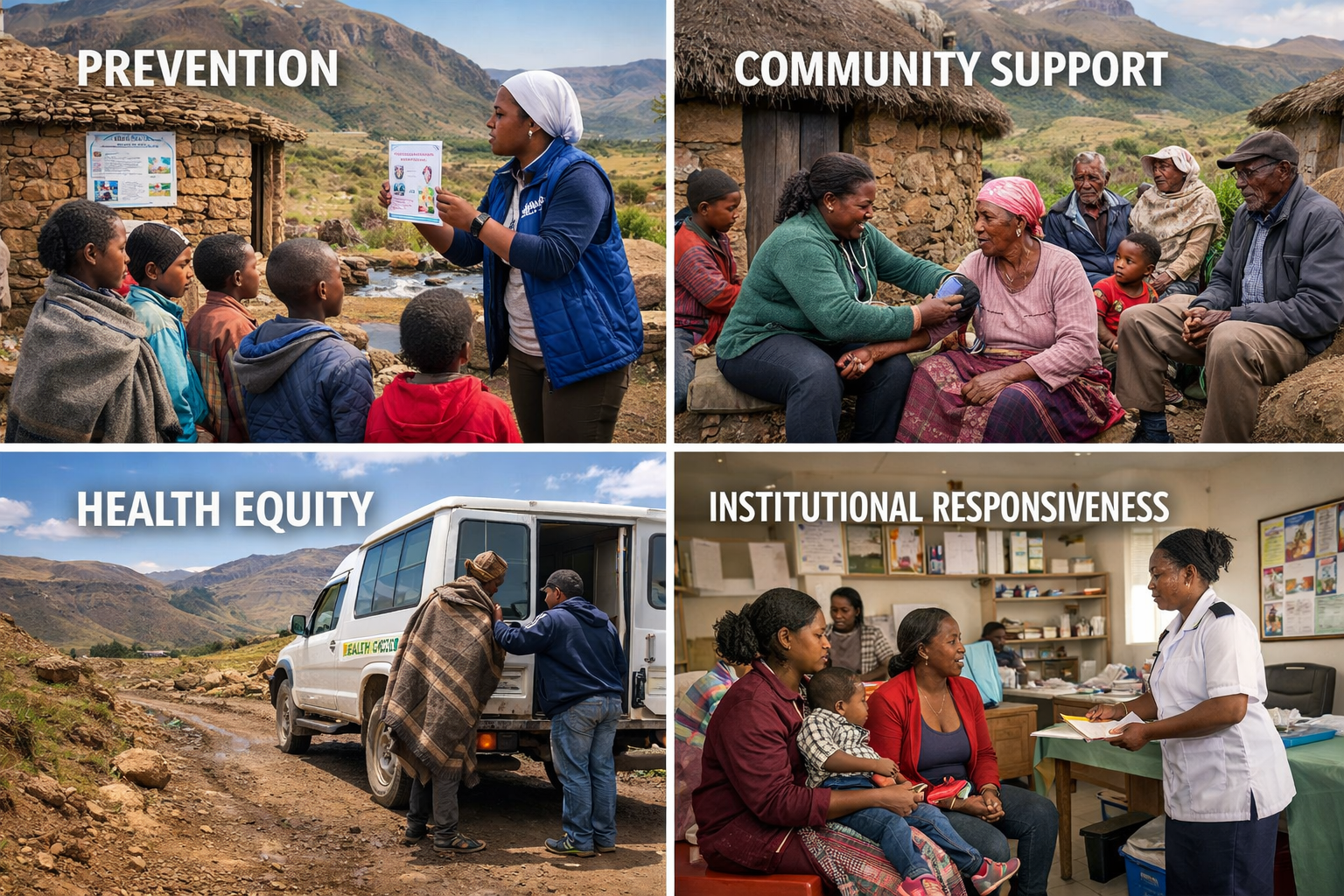
CDSJ works toward equitable, community-responsive health systems that address both access to care and the conditions shaping health. The pillar connects prevention, primary healthcare, HIV and TB, SRHR, maternal and adolescent health, mental wellbeing, public accountability and resilience to shocks.
 02Agency & resilience
Strengthening economic agency while changing the conditions that keep people excluded.
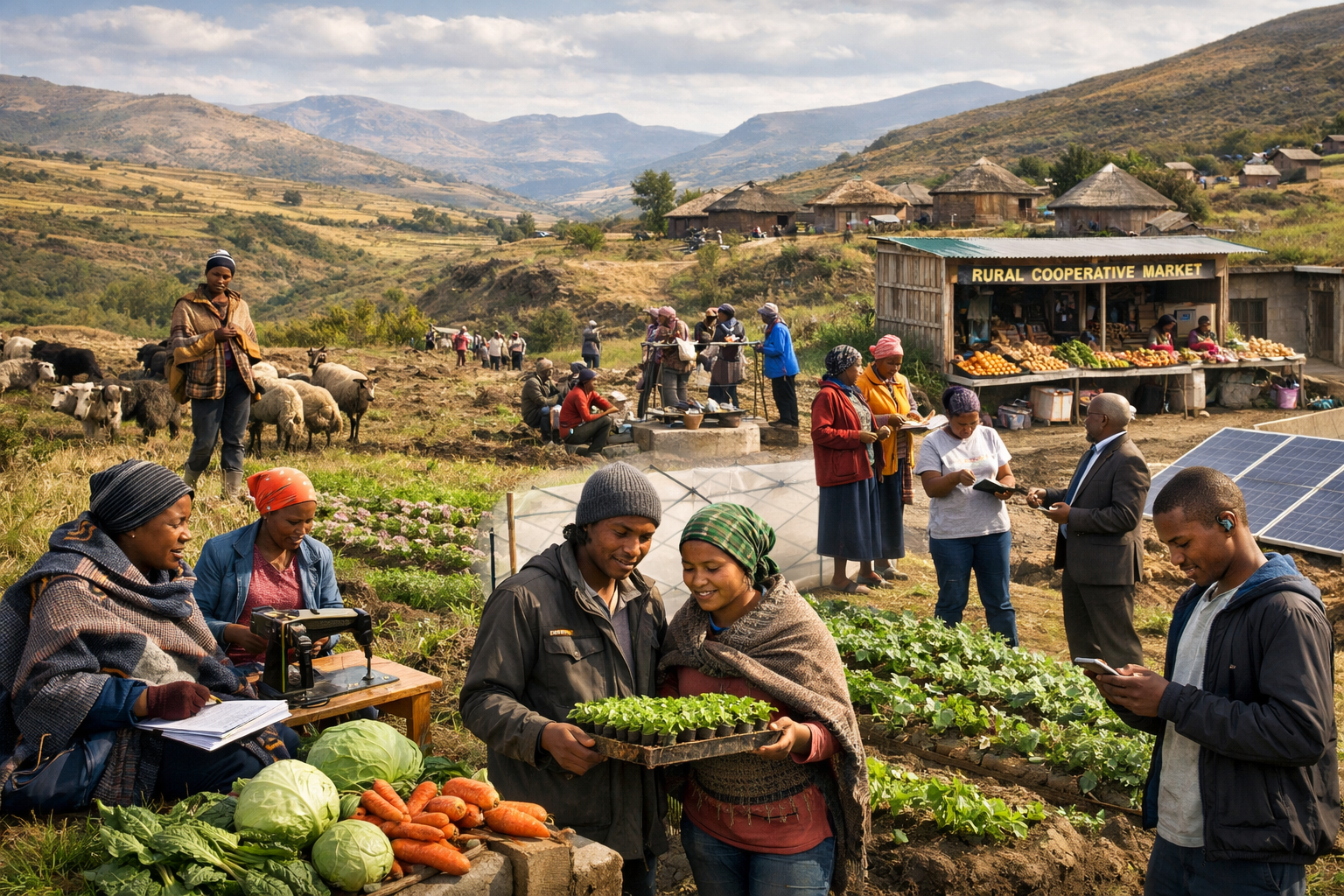
This pillar supports people and households to move from chronic vulnerability toward greater security and participation. It links employability, women’s economic power, social protection, climate-resilient rural livelihoods, financial inclusion, enterprise development and preparedness for social and economic shocks.
 03Voice, rights & power
Making participation meaningful and rights real in everyday life.
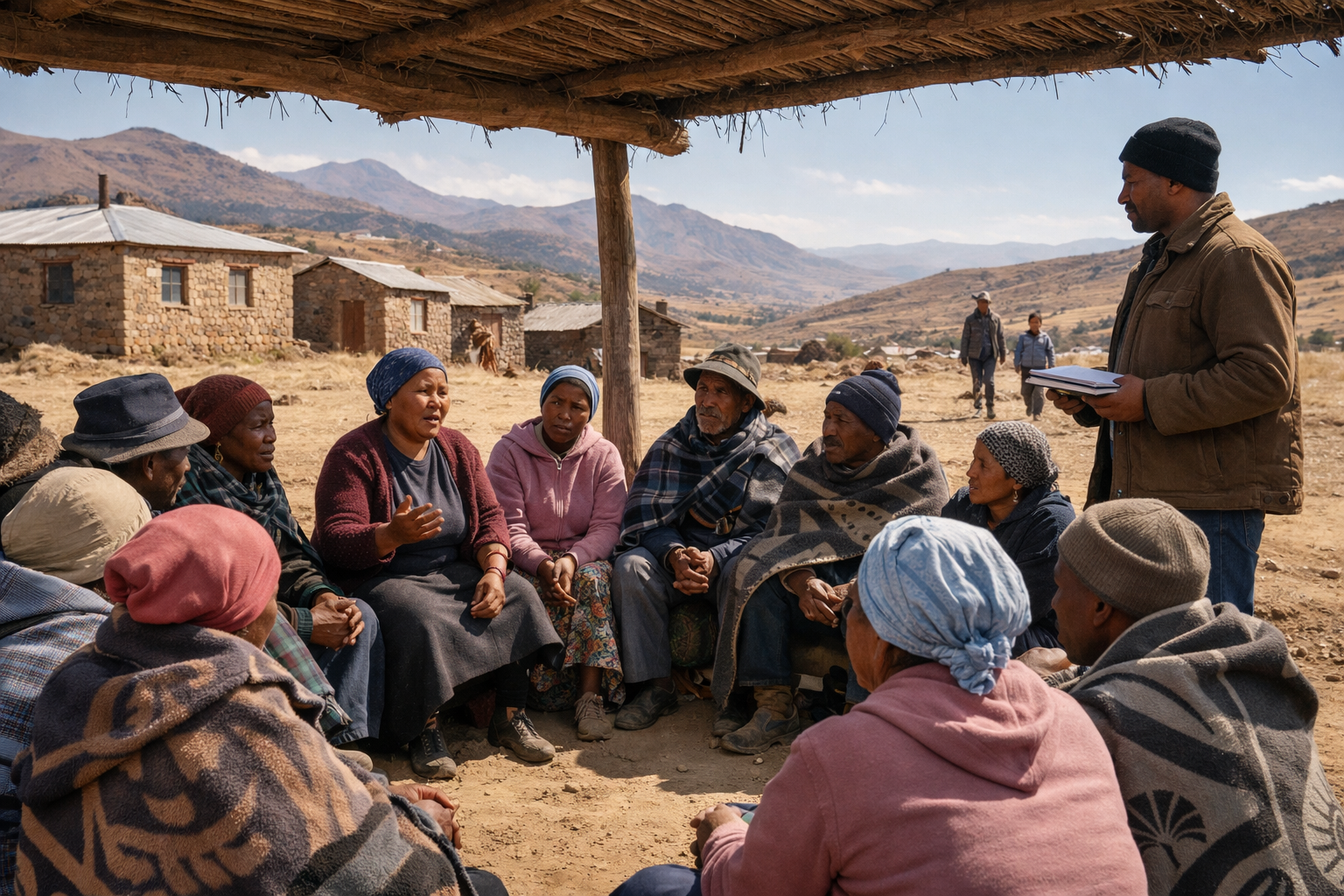
CDSJ connects civic participation, gender-responsive governance, human rights, public accountability and institutional reform. The pillar is concerned with who is heard, how power is exercised, whether public systems answer to people and whether women, young people and excluded communities can influence decisions safely.
 04Safety & protection
Preventing harm, strengthening protection systems and centring survivor dignity.
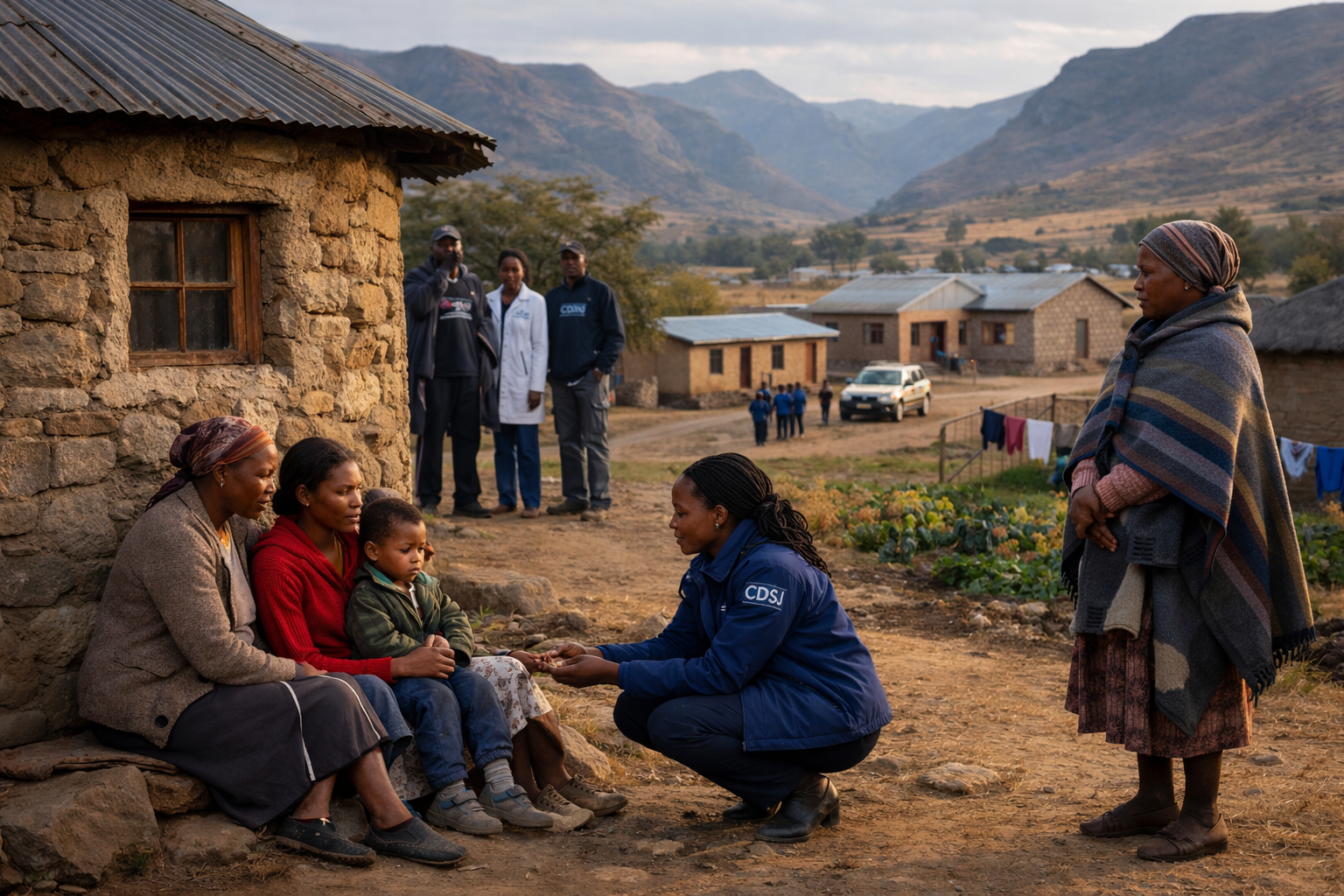
This pillar addresses violence, abuse, exploitation, neglect and harmful practices through prevention and coordinated response. It connects social norms change, child-protection systems, survivor-centred support, safer family, school, community and digital environments, and the practical capacity of caregivers and frontline actors.
 05Evidence & learning
Helping organisations stay honest, adaptive and accountable to the people they serve.
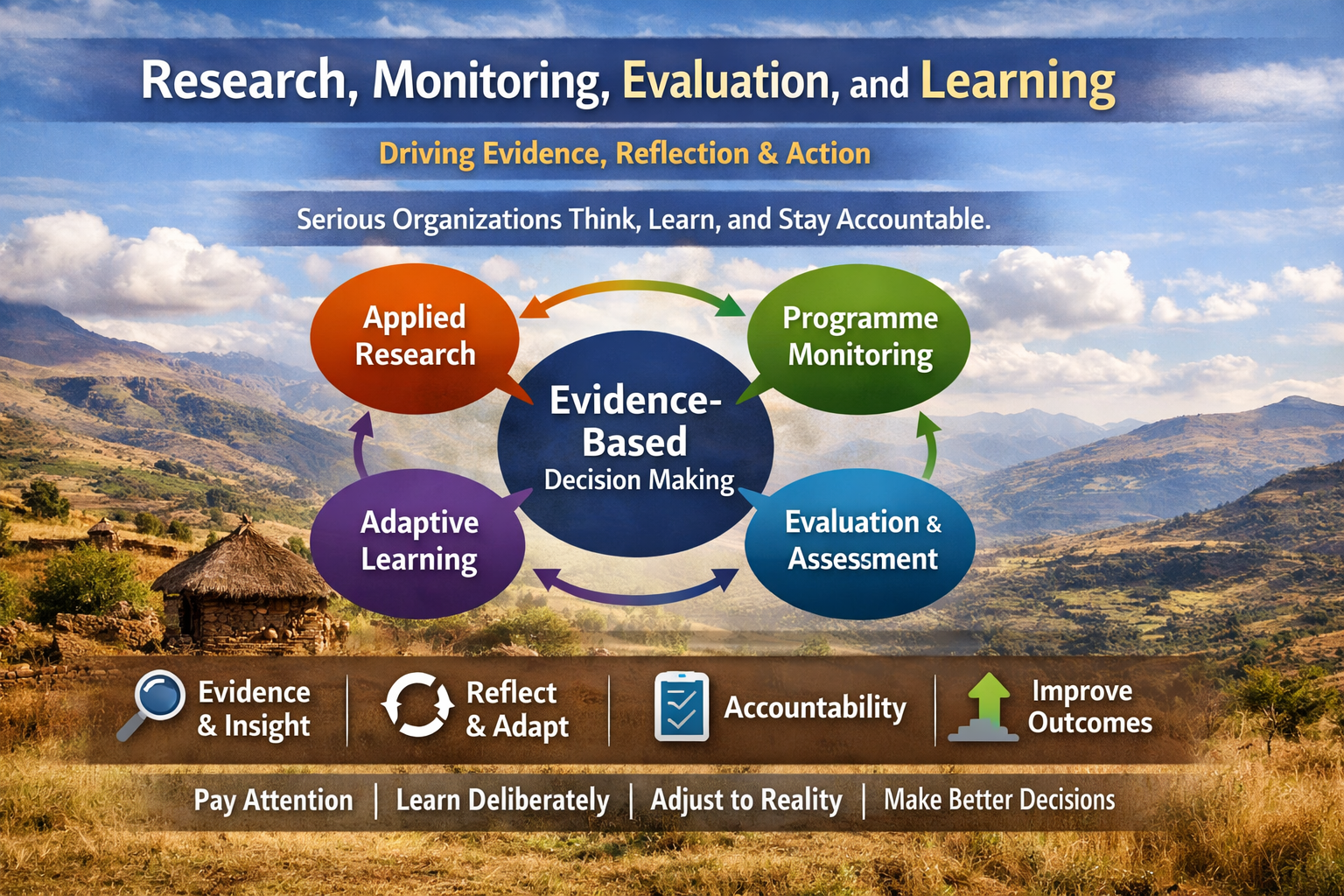
CDSJ builds research and learning into implementation from the beginning. This pillar combines useful monitoring systems, applied research, participatory evidence, evaluation, adaptive learning, knowledge products and translation of findings into better programming, advocacy and institutional decision-making.
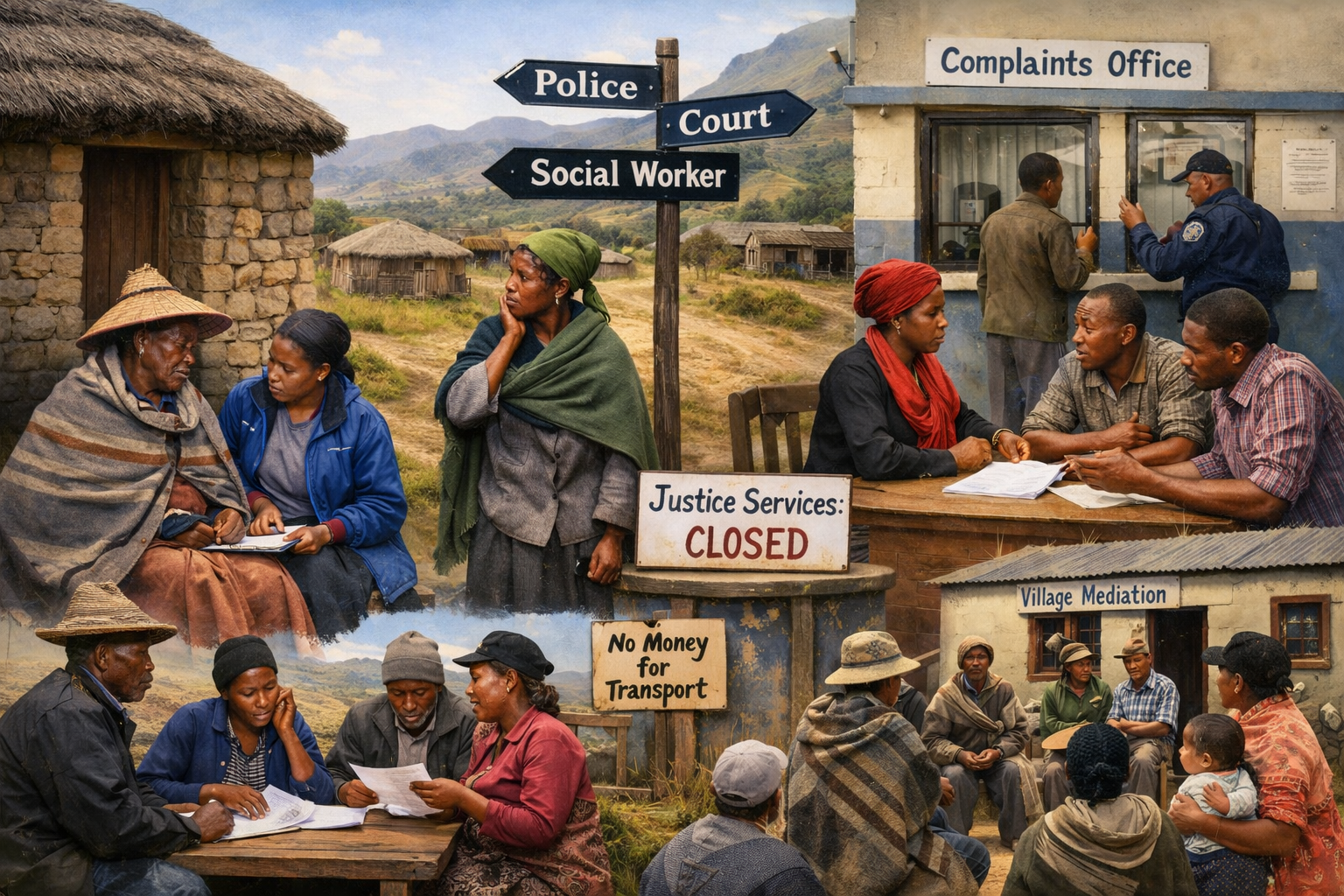 06Justice & accountability
Closing the distance between communities, remedies and accountable institutions.
Access to justice is wider than the courtroom. CDSJ works across legal empowerment, referral pathways, community justice support, survivor access to protection, complaints and oversight mechanisms, institutional responsiveness and evidence-led reform so that rights become practical routes to fair treatment and remedy.
Technical areas differ, but CDSJ applies the same rights-based and accountable principles across programme design, implementation and learning.
Understanding how power, norms and institutions shape different risks, opportunities and outcomes.
Treating people as rights holders and institutions as duty bearers with responsibilities that can be understood and assessed.
Embedding protection, ethical practice, confidentiality and survivor-centred thinking throughout delivery.
Designing meaningful participation for people commonly excluded by geography, disability, age, gender or social position.
Recognising how environmental, economic and public-health shocks deepen vulnerability and affect programme sustainability.
Using data, community feedback and reflection to improve decisions, communicate honestly and strengthen public value.
These examples show how CDSJ’s programme pillars can work together around people and systems. They illustrate an integrated design approach—not a claim that every project must include every pillar.
A girl experiencing violence may need immediate protection, trauma-informed healthcare, a referral pathway she can trust, support to remain in school and a justice system that does not blame or silence her.
A young person facing unemployment, social exclusion or recruitment into violence needs more than a short training. Resilient pathways can connect skills and livelihoods with mentorship, psychosocial support, community safety and meaningful participation.
A rural community may be distant from healthcare, legal help, markets and decision-makers at the same time. Improving one service without addressing information, transport, referrals and accountability may leave the underlying exclusion unchanged.
Our approach links practical delivery with learning and systems influence. The exact pathway is adapted to each partnership and context.
Ground the work in lived experience, local knowledge, institutional realities and credible evidence.
Build with communities, technical actors and institutions so roles, safeguards and intended results are clear.
Deliver practical activities through capable teams, trusted relationships and context-responsive management.
Improve the pathways, workforce practices, coordination and accountability arrangements that must endure.
Use monitoring, reflection and community feedback to adapt implementation and contribute to better decisions.
Legal reform, case support, institutional capacity and public dialogue around gender-just criminal justice.
View project →Connecting protection, savings, livelihoods, legal support and school retention in rural communities.
View project →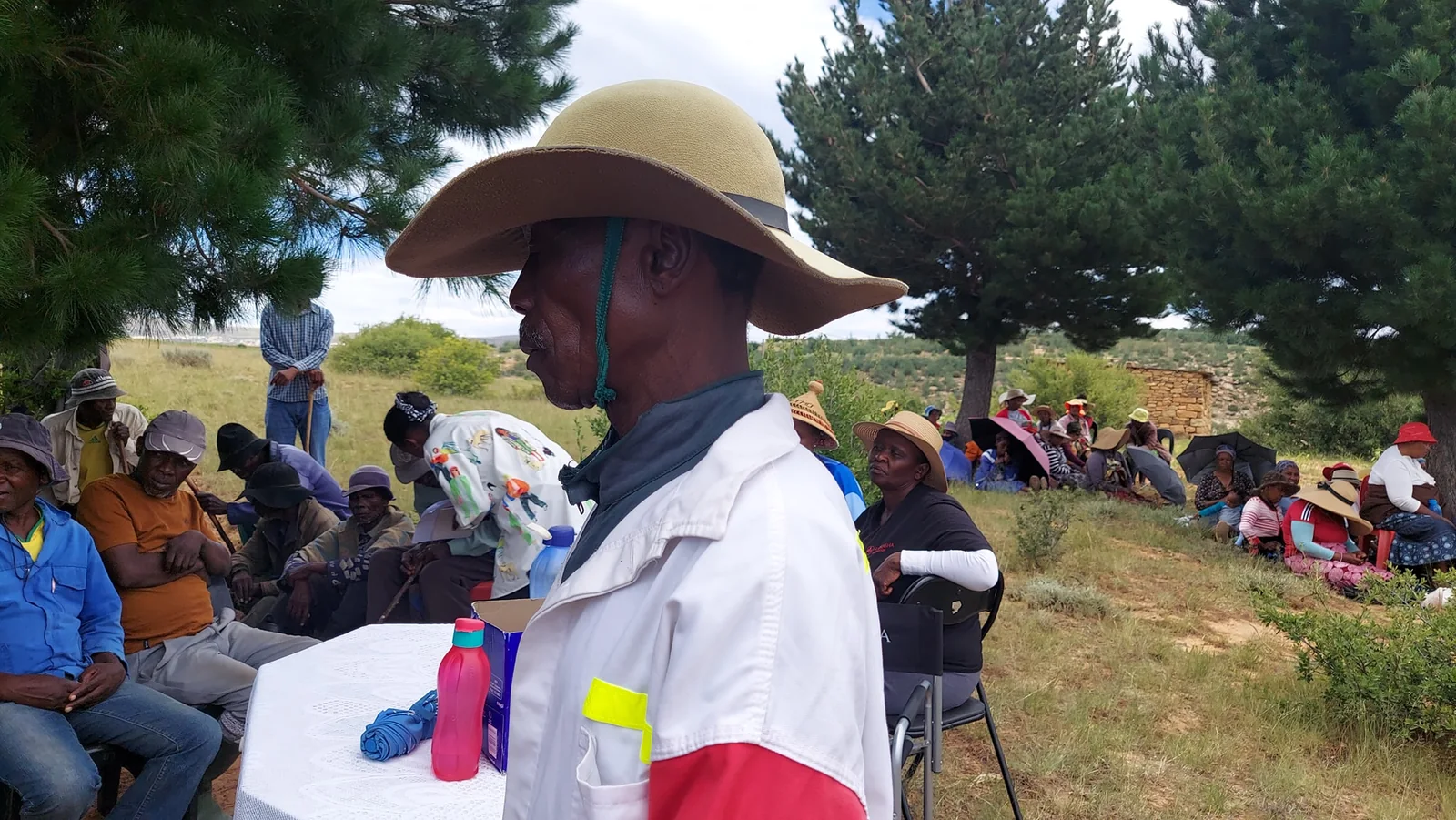
A prevention-led model linking youth agency, mentorship, community resilience and institutional partnership.
View project →CDSJ welcomes funders, public institutions, research partners, technical specialists and civil-society organisations seeking credible, locally led ways to address complex development challenges. We can co-design new initiatives, strengthen existing programmes, generate practical evidence or build the systems that allow good work to endure.