The Centre for Development in Social Justice (CDSJ) partnered with the Ministry of Gender, Youth and Social Development and the Media Institute of Southern Africa (MISA) Lesotho to strengthen male journalists’ understanding of gender equality, gender-based violence and responsible public-interest reporting. CDSJ led the training contribution on Gender-Responsive Budgeting and its practical application to gender-responsive reporting.
The one-day Male Journalists’ Workshop on Gender, Gender-Based Violence and Responsible Media Reporting brought emerging and practising media professionals into a structured conversation about the influence journalism has on public understanding, social norms and accountability in Lesotho.
The workshop responded to a practical concern: a reporter may cover a case of violence, a government programme or a national budget without recognising how gender roles, unequal power, disability, location, poverty and access to information shape the experience behind the headline. When these dimensions are missed, reporting can unintentionally reinforce stereotypes, blame survivors or present an official allocation as proof that a public problem has been solved.
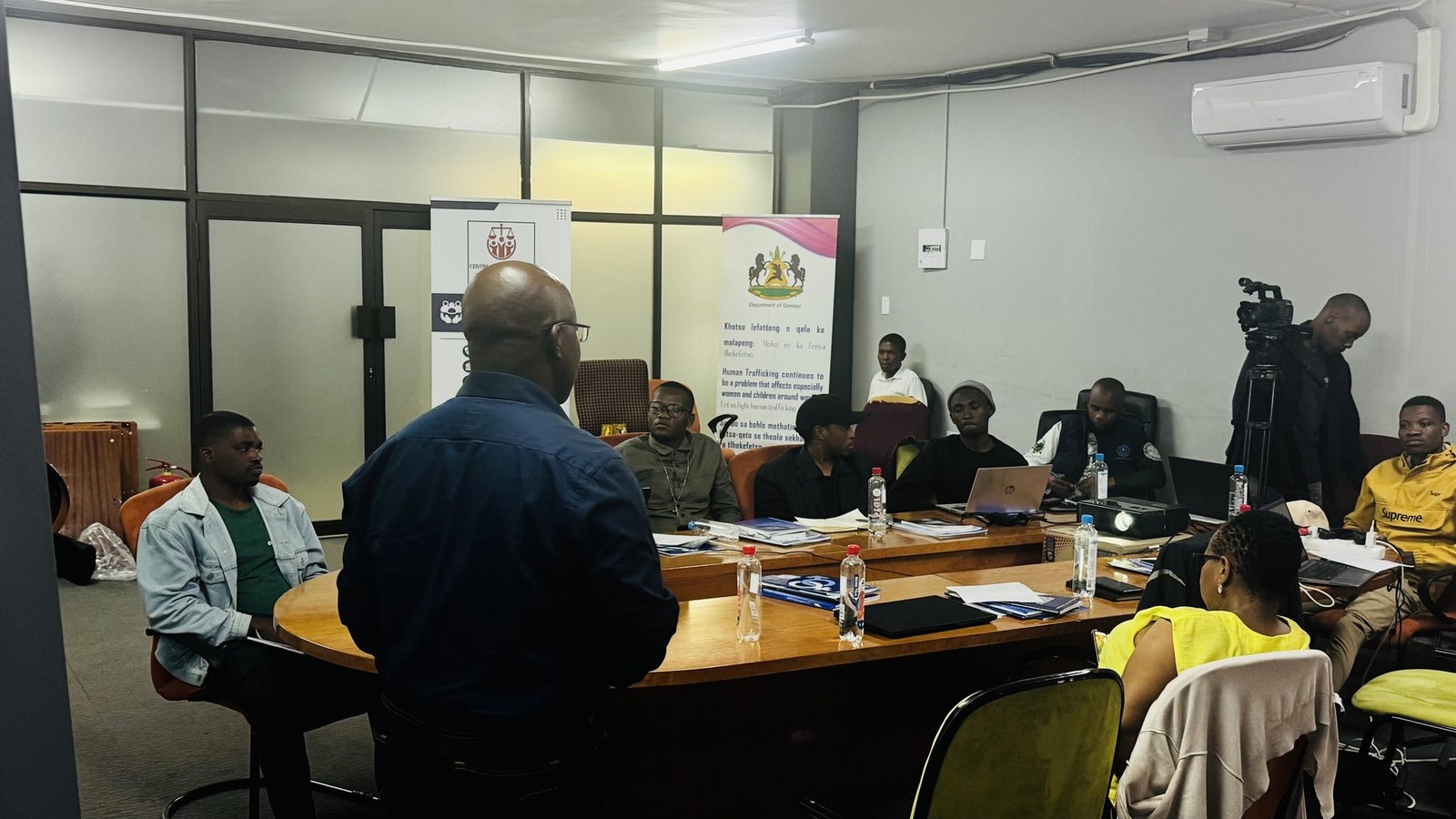
A shared investment in responsible journalism
The Ministry of Gender convened the workshop as part of its work to strengthen gender mainstreaming, GBV prevention and coordination with the media. The programme introduced gender concepts, the forms and causes of GBV, positive masculinity, protection from sexual exploitation, abuse and harassment, and gender mainstreaming. It concluded with practical work on gender-responsive and ethical journalism, group reflection and participant commitments.
This partnership recognised that journalists do more than record events. Choices about language, sources, images, headlines and context can either protect dignity and deepen public understanding or reproduce the same harmful norms that gender-equality work seeks to change. Male journalists therefore have an important role as informed reporters and as allies who can challenge victim-blaming, sensationalism and silence around violence.
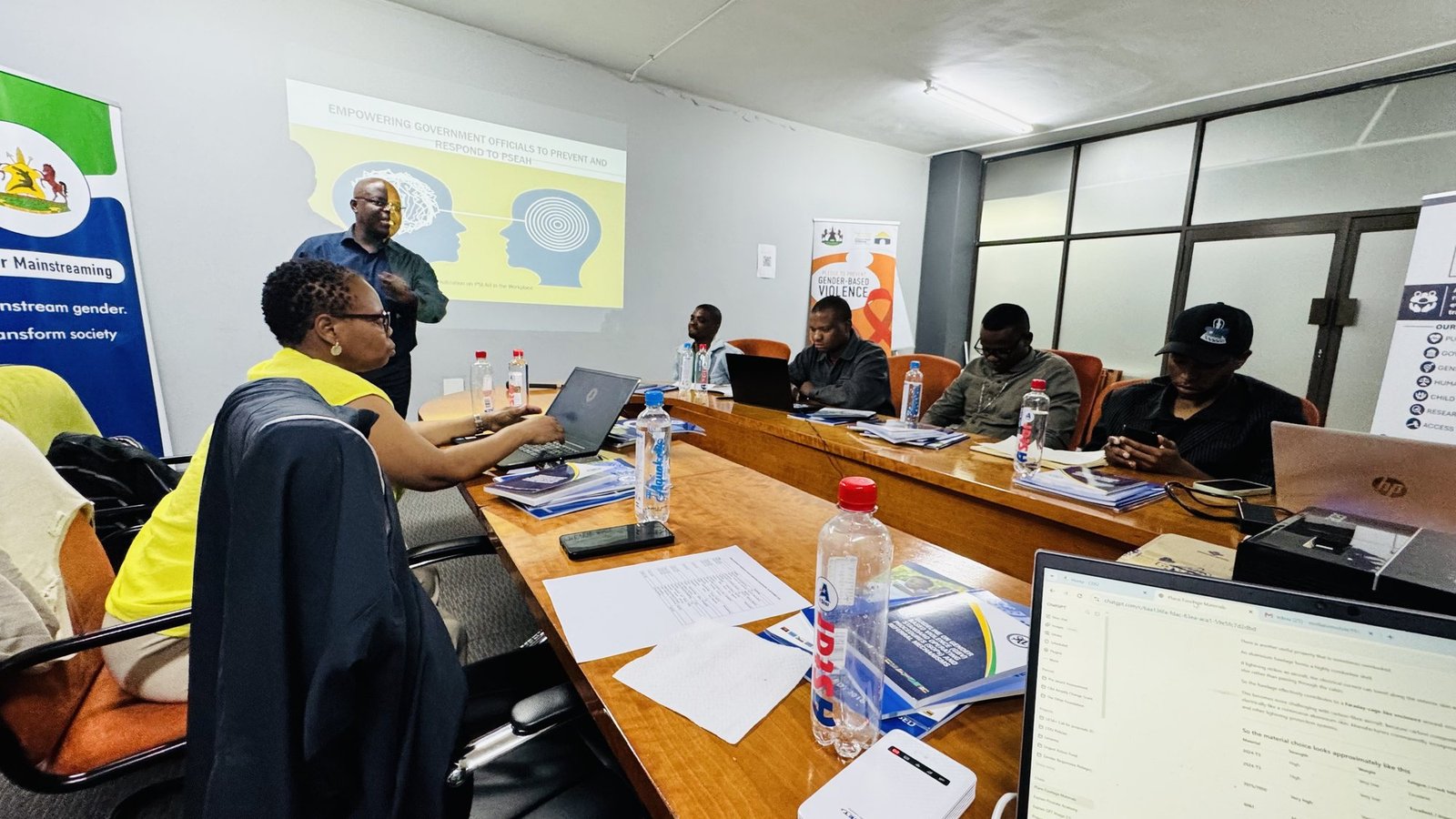
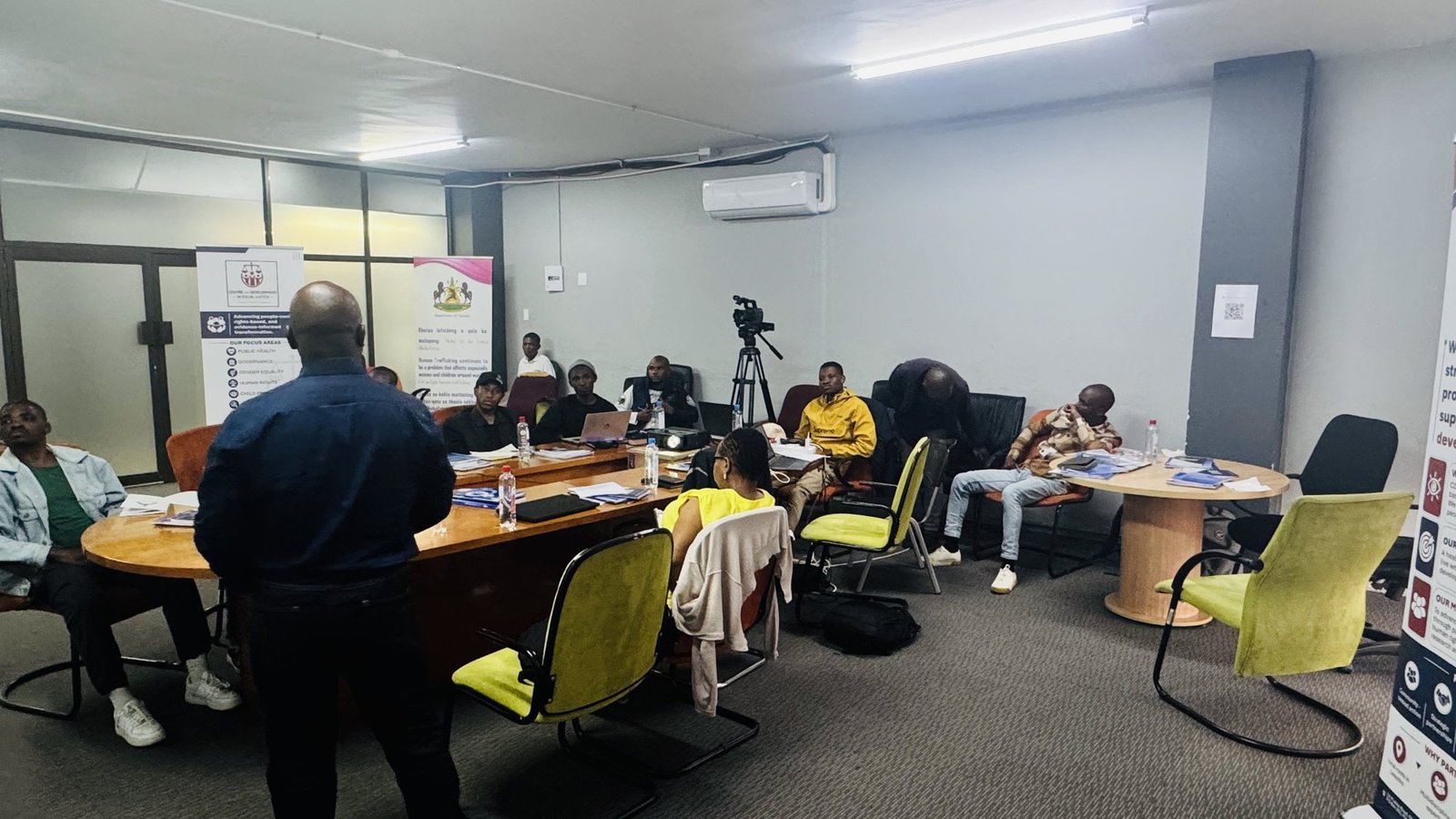
Following public money through a gender and inclusion lens
CDSJ’s Gender-Responsive Budgeting session began with a simple proposition: a public budget is not only an accounting document. It records choices about which problems receive attention, whose needs become priorities, how much Government commits and which institution must answer for the result.
Participants worked through the distinctions between an allocation, a release, actual expenditure, an output and an outcome. These distinctions matter to journalism. Money approved in a budget may arrive late or only partly. Money spent does not by itself prove that a service reached the intended people. A facility counted as an output may still be inaccessible, unsafe, unreliable or too costly for some groups to use.
“An amount is the beginning of the story. The public-interest story explains the choice, the delivery and the result.”Core message from CDSJ’s Gender-Responsive Budgeting session
The session clarified that Gender-Responsive Budgeting does not mean creating a separate budget for women or dividing every allocation equally. It means examining how revenue and expenditure affect people differently, identifying unequal barriers and starting conditions, funding the activities needed to address those barriers, and changing plans when evidence shows that results remain unfair.
From national announcement to community experience
Journalists were encouraged to follow a public promise through the full budget cycle. This means asking who helped define the need, what Parliament approved, what Government released, where procurement and implementation took place, whether the service functions, and who can practically use and benefit from it.
Six GESI domains for stronger reporting
CDSJ introduced six Gender Equality and Social Inclusion domains that help journalists identify where exclusion can enter a policy, programme or budget. Each domain links community experience to a decision, institution, standard or budget line that can be investigated.
Intersectionality formed part of this analysis. Women, men and young people do not experience public services as uniform groups. Gender combines with age, disability, income, location, family status and other circumstances. A gender-responsive story therefore compares different lived experiences and traces each barrier to the responsible decision-maker and public provision.
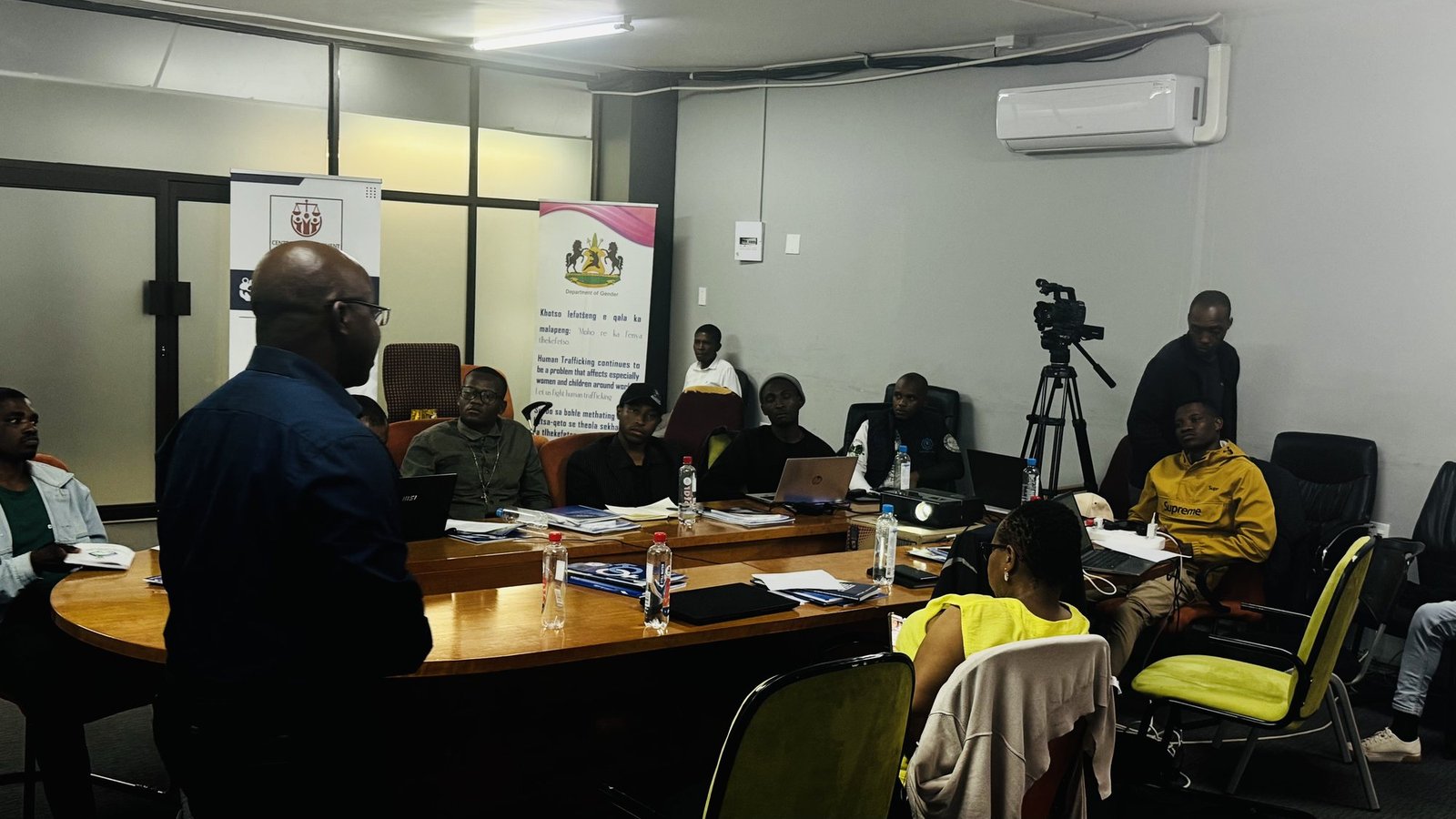
What gender-responsive reporting requires
The training connected budget analysis with newsroom practice. Responsible reporting requires journalists to protect the dignity and privacy of survivors, avoid sensational language and images, seek informed consent, use gender-disaggregated evidence where it exists, and state clearly when important information remains unavailable.
For budget stories, this also means going beyond the national announcement. A complete investigation compares the stated need with the approved amount, tracks releases and spending, examines geographic distribution and procurement, tests whether a service is safe and functional, and asks which groups gained most or least from the final result.
Ten checks before publishing a GRB story
- Cite the correct year, document and amount.
- Separate what was approved, released, spent and delivered.
- Name the public problem and the responsible institution.
- Identify the intended groups and intersecting barriers.
- Apply the six GESI domains.
- Request disaggregated and geographic data.
- Compare selection criteria with actual beneficiaries.
- Include diverse affected voices safely and with consent.
- Measure functionality, quality, maintenance and outcomes.
- State evidence gaps and avoid assumptions or stereotypes.
Building continued collaboration between the gender sector and the media
The value of the workshop lies in continued application. Participants can take the concepts into routine reporting on violence, health, education, local government, water, agriculture, justice, public finance and other sectors. Gender-responsive journalism should not appear only during commemorative campaigns. It belongs in daily decisions about whose voice is heard, which evidence is tested and whether public commitments produce fair results.
Continued collaboration between the Ministry, MISA Lesotho, CDSJ and media professionals can support future learning, responsible referral practices, better access to subject expertise and stronger public-interest reporting. Follow-up also creates an opportunity to see how participants apply the training in stories and how editorial practice changes over time.
CDSJ’s perspective: accountable journalism strengthens gender justice
CDSJ appreciates the Ministry of Gender’s leadership in convening the workshop and MISA Lesotho’s partnership in connecting gender knowledge with newsroom practice. Media professionals shape how people understand violence, public institutions and the choices Government makes with public resources.
For CDSJ, gender-responsive reporting combines accuracy with dignity and accountability. It protects people from further harm, questions stereotypes instead of repeating them, and follows public promises until citizens can see who benefited, who remained excluded and what must change.
This work strengthens both gender justice and democratic accountability in Lesotho. When journalists follow the money, find the people affected and test the result, they help communities and institutions move from announcements to evidence and from stated commitments to fair outcomes.
Leave a Reply