CDSJ joined government, justice-sector institutions and civil-society partners at a Ministry of Gender-convened meeting to reconstitute Lesotho’s Anti-GBV Coordination Forum and strengthen a coordinated, survivor-centred national response.
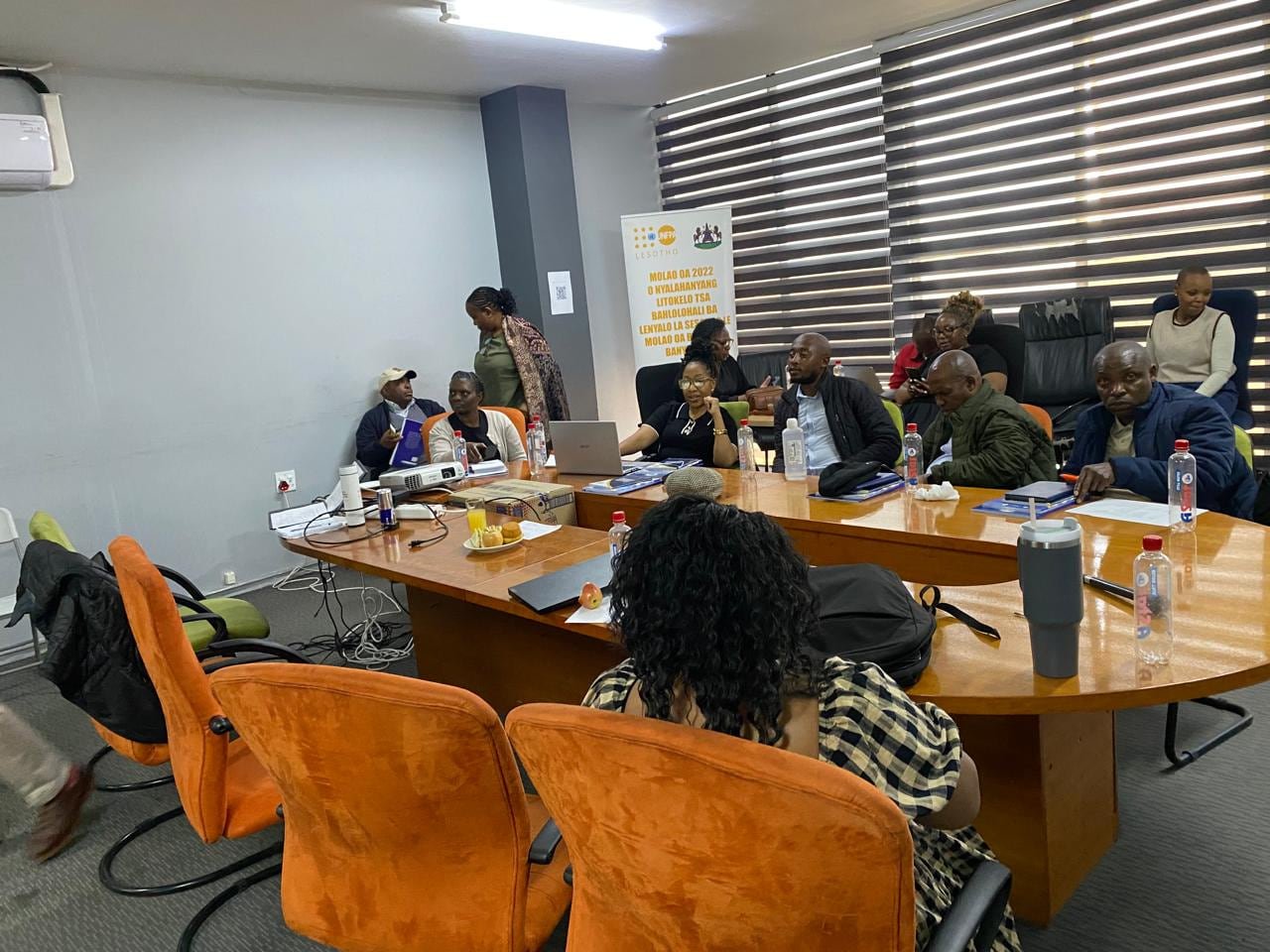
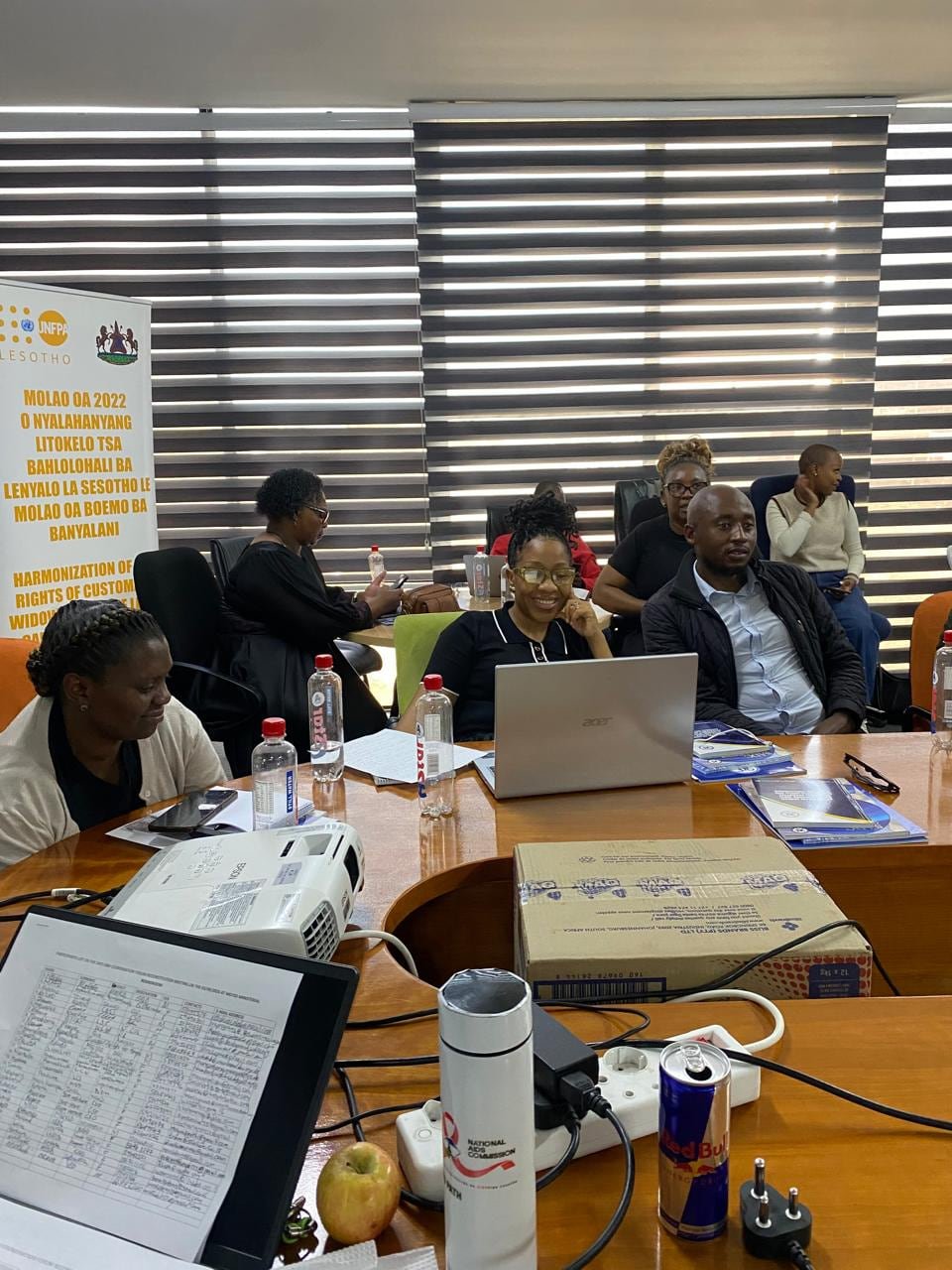
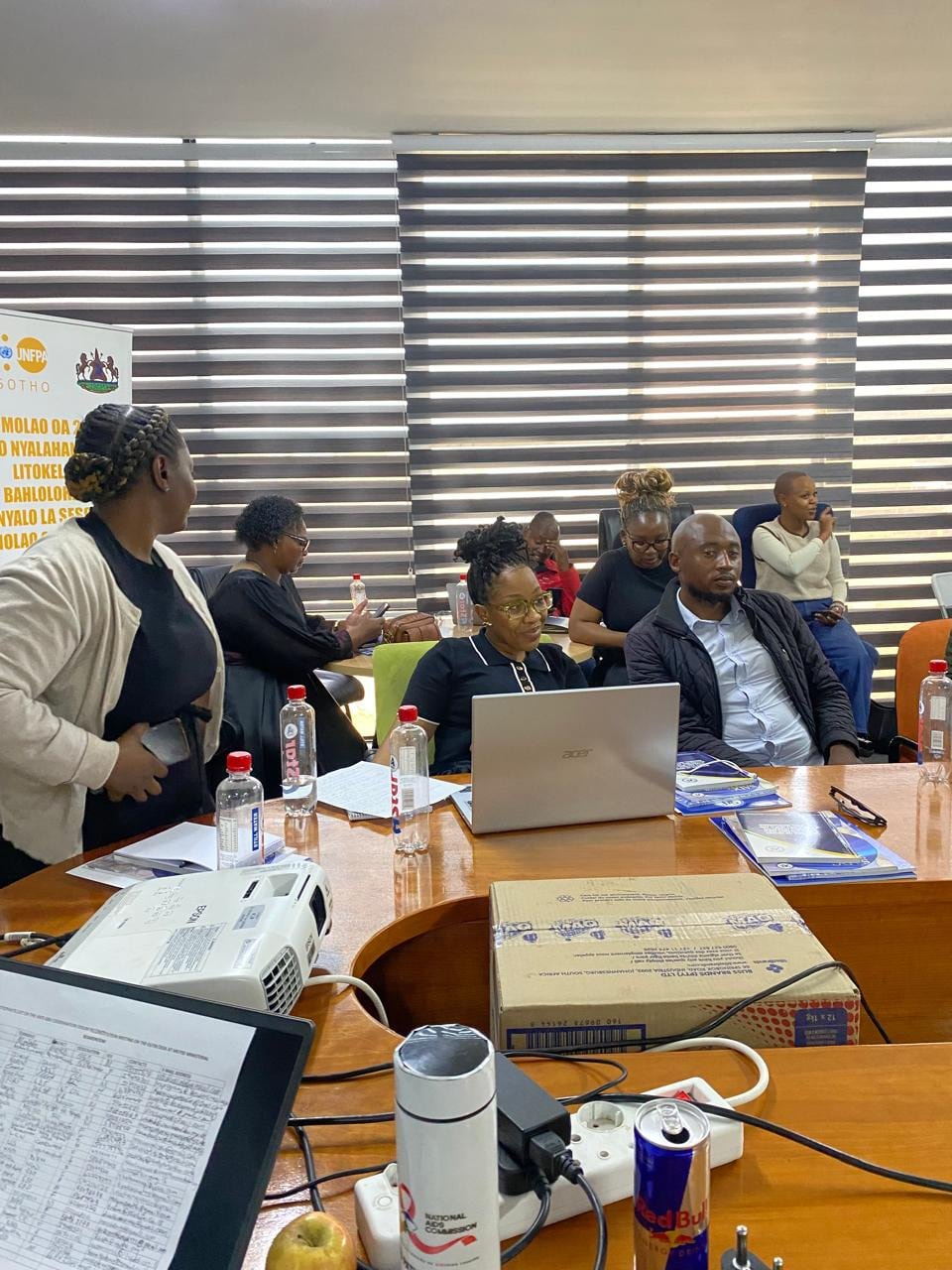
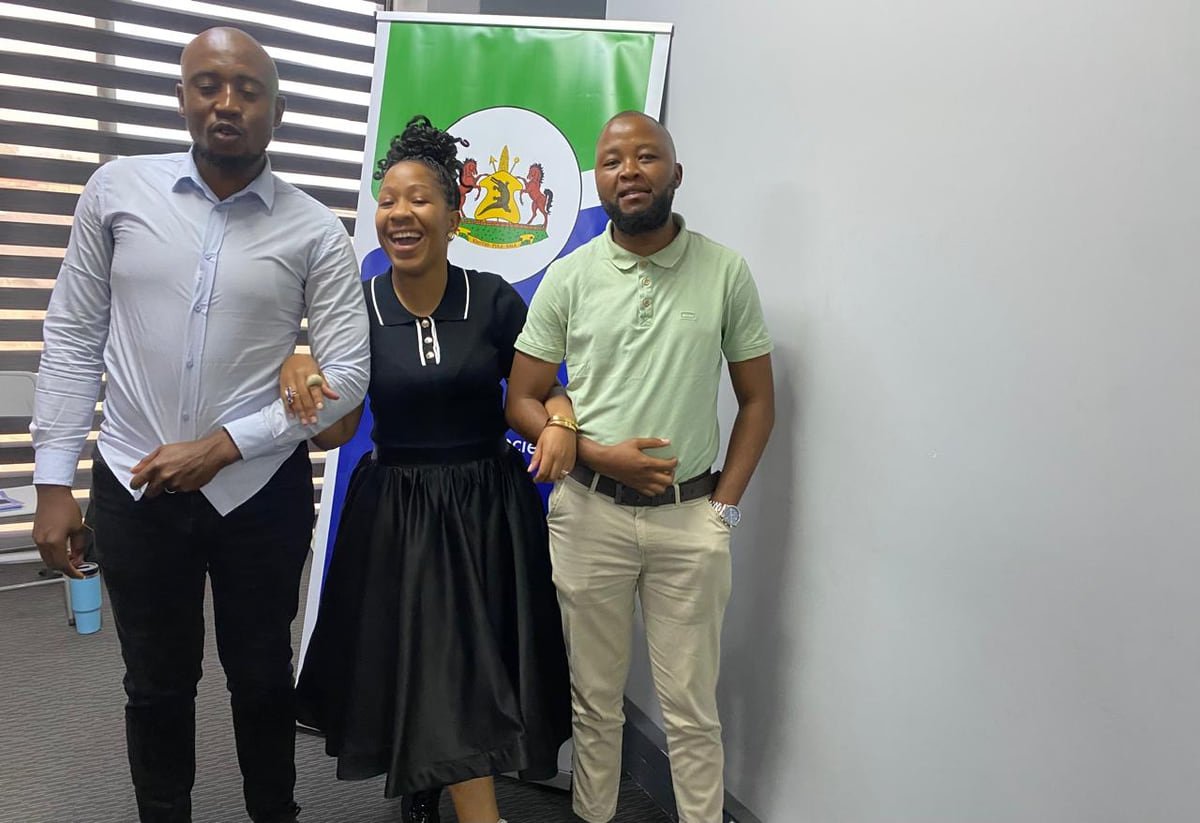
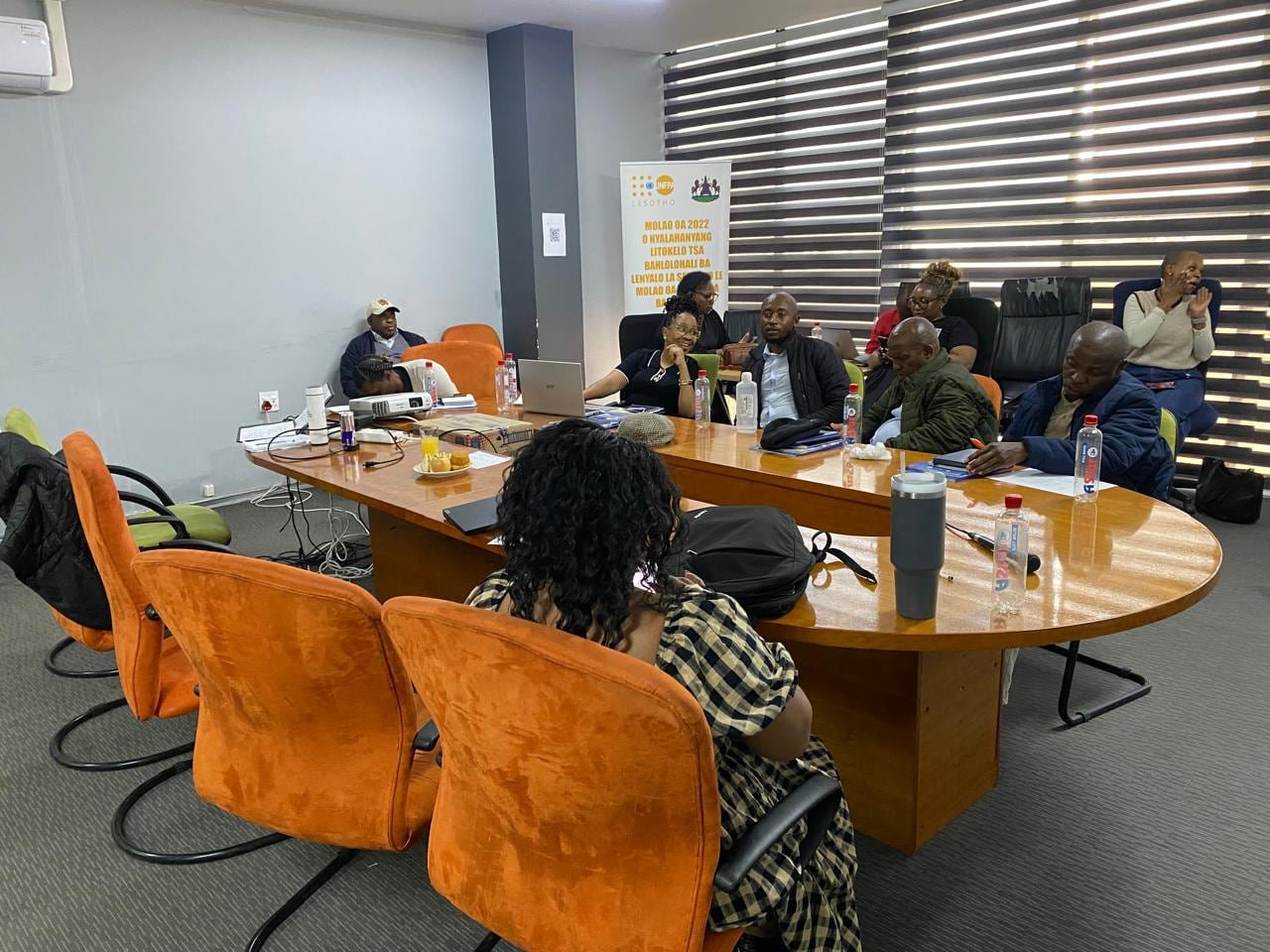
On 3 September 2026, the Centre for Development in Social Justice (CDSJ) joined government institutions, justice-sector actors and civil-society organisations for the reconstitution of Lesotho’s Anti-Gender-Based Violence Coordination Forum. The meeting was called and convened by the Ministry of Gender as part of efforts to create a stronger, more coherent national mechanism for preventing and responding to gender-based violence (GBV).
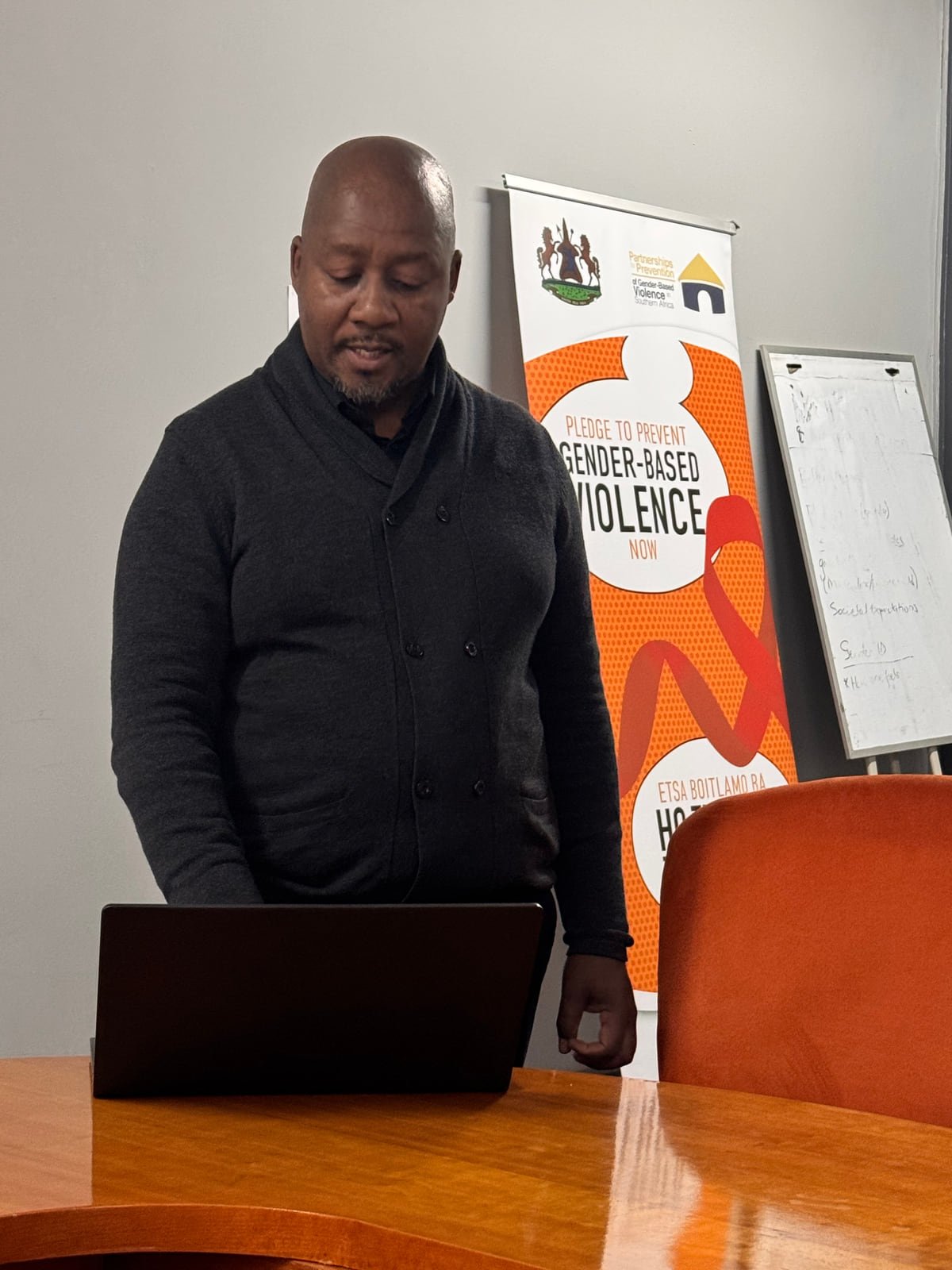
Mr. Ntheka Matobo of the Ministry of Gender delivered the welcome remarks. Dr. Mosiuoa Ramakoele led the presentation on the Coordination Forum, guiding participants through its history, intended purpose, proposed structure and the responsibilities required to make it operational and sustainable.
Rebuilding a national coordination mechanism
The presentation situated the Forum within a longer national process. It traced the call for an Anti-GBV coordination mechanism to the 2013 GBV Indicator Study, followed by the establishment of the Forum in 2019. The Forum was described as having entered a period of dormancy between 2021 and 2024, before reactivation efforts began in 2025 and the current reconstitution process was undertaken in 2026.
Why coordination matters
Survivors often encounter several systems—including health services, the police, courts, correctional services, social-development structures and community organisations. When these systems work in isolation, referrals can break down, responsibilities can become unclear and important cases can fall through institutional gaps.
The meeting therefore focused on rebuilding a Forum capable of providing a common framework for GBV prevention and response, reducing duplication among stakeholders, strengthening cooperation, supporting evidence-informed action and improving coordination at both national and district levels.
From a Forum on paper to a working system
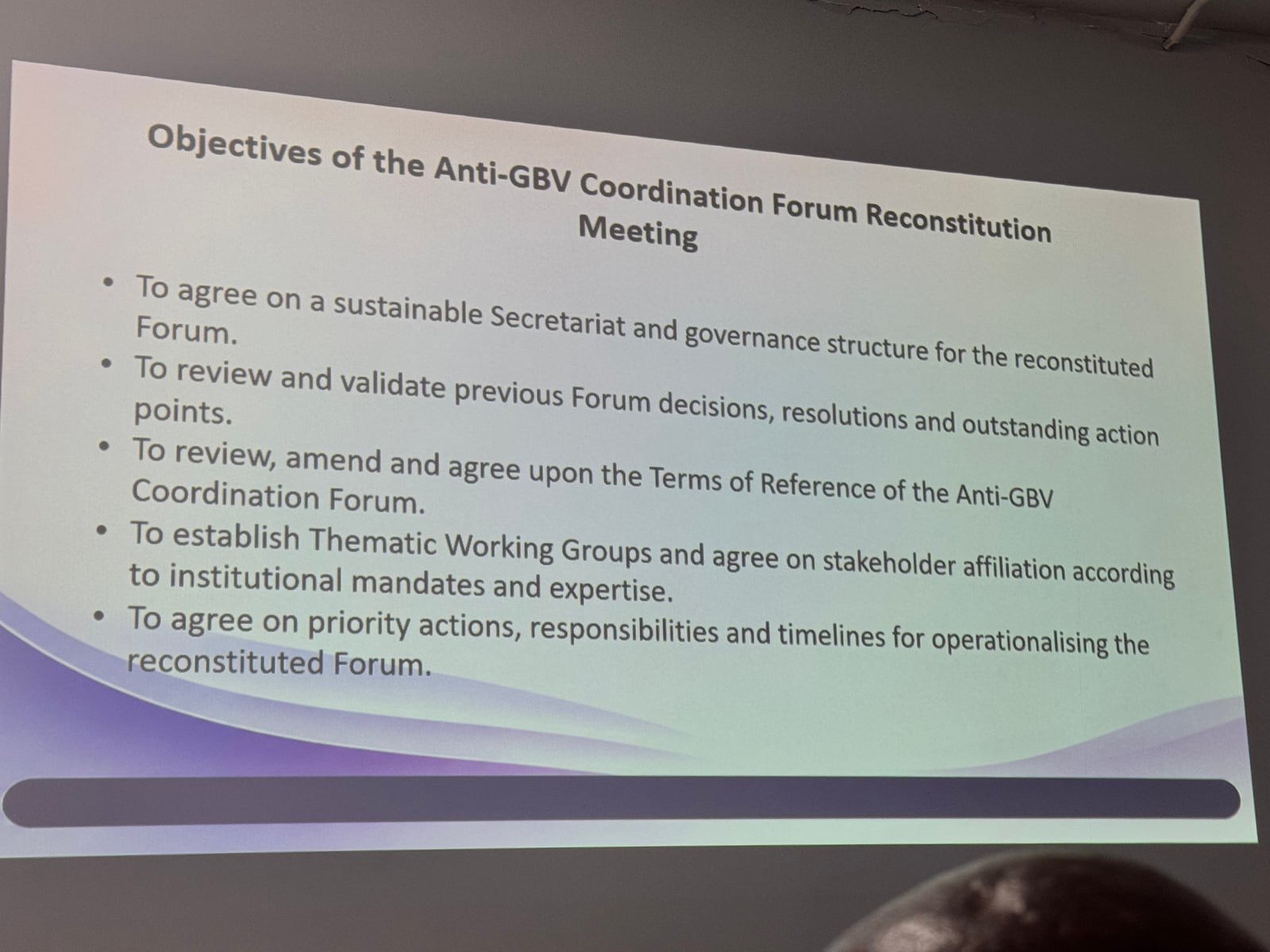
The meeting’s objectives included agreeing on a sustainable secretariat and governance structure; reviewing decisions, resolutions and outstanding actions from earlier Forum meetings; reviewing and refining the Forum’s Terms of Reference; establishing thematic working groups; and identifying priority actions, responsibilities and timelines for implementation.
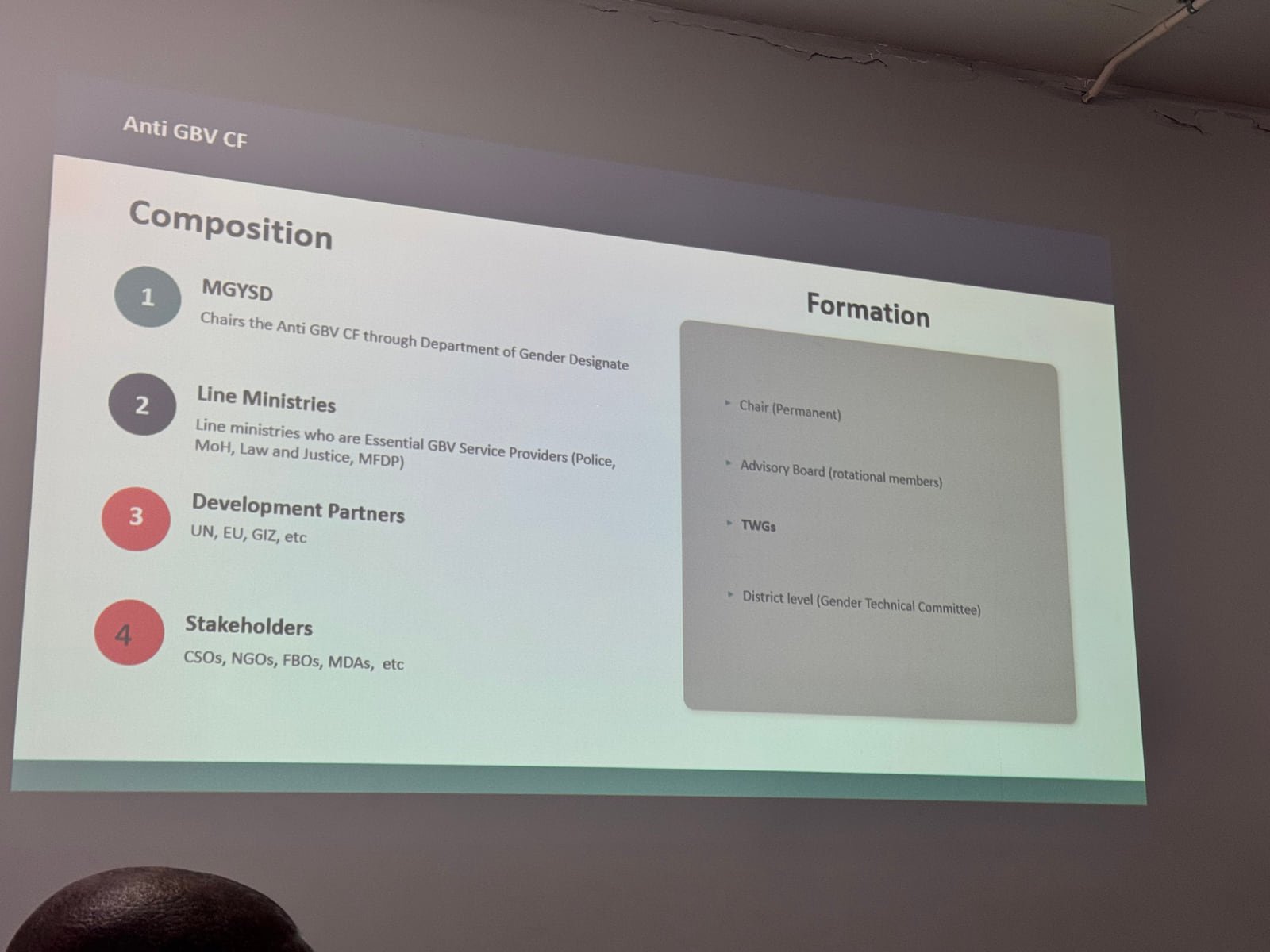
Participants considered the Forum’s purpose, membership, representation, leadership arrangements and institutional responsibilities. The proposed composition brings together the Ministry responsible for Gender, relevant line ministries, development partners and civil-society stakeholders. The structure presented for discussion included a permanent chair, a rotating advisory board, thematic working groups and district-level Gender Technical Committees.
The presentation also emphasised that leadership of the Forum should involve more than convening meetings. Its responsibilities should include aligning Forum activities with national GBV policies and strategies, following up on decisions, facilitating information sharing and joint planning, promoting survivor-centred and rights-based advocacy, strengthening referral systems and maintaining regular reporting.
Turning discussion into accountable follow-through
The agenda was deliberately organised around continuity and implementation rather than beginning the process afresh. Participants received rapporteur reports from the previous two Anti-GBV Coordination Forum meetings, with attention to issues already discussed, decisions and resolutions taken, progress made and actions that remain outstanding. This provided a basis for testing the proposed Terms of Reference against earlier commitments and institutional experience.
The second part of the meeting created space for questions, clarification and reflection on the draft Terms of Reference before participants considered which institutions could contribute to the proposed thematic working groups. The closing session focused on agreed actions, the institutions or people responsible, implementation timelines and arrangements for the next Forum meeting.
This sequence is important because effective coordination depends on a visible chain from discussion to decision, from decision to assigned responsibility, and from responsibility to monitored action. Regular reporting and follow-up can help the Forum maintain momentum and ensure that commitments translate into practical improvements for survivors and communities.
Gendered justice concerns must form part of the response
A concern raised in the opening remarks
The opening remarks drew attention to the gendered operation of the criminal justice system in pregnancy- and child-related cases involving women and girls. This intersects directly with CDSJ’s growing work on situations in which criminal responsibility can be applied in a one-sided manner, leaving women and girls to carry disproportionate legal and social consequences.
For CDSJ, this discussion is significant because GBV coordination must address not only individual acts of violence but also institutional practices that may reproduce gender inequality. A survivor-centred and rights-based response requires careful attention to how laws are interpreted, how cases are investigated and prosecuted, whose conduct is scrutinised and whether women and girls can access justice without discrimination.
Bringing this concern into a national coordination forum creates an important opportunity for justice institutions, government departments and civil-society organisations to examine gaps collectively and pursue responses that are both legally accountable and gender-responsive.
Broad participation across sectors
The meeting brought together representatives from CDSJ, Women and Law in Southern Africa (WLSA), Seinoli, Lesotho Correctional Services, the Ministry of Gender, the Lesotho Council of NGOs, Gender Links Lesotho, Help Lesotho, the Magistracy, Sesotho Media, the International Human Rights Lab and the Lesotho National Federation of Organisations of the Disabled (LNFOD).
The breadth of participation reflected the cross-sectoral nature of GBV prevention and response. Government institutions bring statutory mandates and public-service responsibilities; justice actors influence protection, investigation and accountability; and civil-society organisations contribute community knowledge, specialised services, advocacy, monitoring and direct engagement with people affected by violence and discrimination.
The participation of disability-rights and media organisations also gives the Forum an opportunity to strengthen accessibility and public communication. Effective coordination should make information, referral pathways and services understandable and reachable for people with different needs, while supporting responsible reporting that protects dignity and does not reinforce stigma.
CDSJ’s perspective: an important opportunity for the sector
CDSJ welcomes the Ministry of Gender’s initiative. The reconstitution of the Forum represents an important opportunity for Lesotho’s GBV sector to move from fragmented interventions towards shared direction, clearer responsibilities and stronger accountability.
The value of the Forum will ultimately be measured by whether coordination produces real improvements: functioning referral pathways, timely institutional follow-up, effective thematic working groups, stronger district-level action and services that survivors can access with dignity and confidence.
CDSJ also believes the Forum should create space to confront difficult structural concerns, including the gendered treatment of women and girls in criminal cases connected to pregnancy and child-related matters. Addressing these gaps requires government, justice institutions and civil society to examine how laws and institutional practices operate in people’s lives and to pursue reforms that are accountable, gender-responsive and grounded in human rights.
CDSJ is ready to contribute community experience, evidence and rights-based analysis to this collective effort. A functional Forum can strengthen not only Lesotho’s response to GBV, but also the sector’s capacity to prevent violence and challenge the inequalities that sustain it.
Leave a Reply